
East Iceland Hidden Gems Worth Exploring

Lesser Known Places to Visit in East Iceland
Some of East Iceland's most memorable places sit beyond the Ring Road. These lesser known destinations reveal the landscapes and communities that shape the region. Here are a few hidden gems that are well worth visiting and remembering when planning your East Iceland trip.
1. Fuglabjarganes
It is on Iceland’s nature conservatory list for its beautiful and diverse coast and abundant birdlife, making it a haven for nature enthusiasts and birdwatchers. The hike begins near Road 913 and follows a 6 km circular footpath that takes you along the beach to the headland, where high buffs descend into the sea. Along the way, you'll see rock pillars rising from the ocean and enjoy panoramic views across the open sea. The terrain includes narrow sheep paths, grassy areas and small river crossings, which may be a little wet after rain. 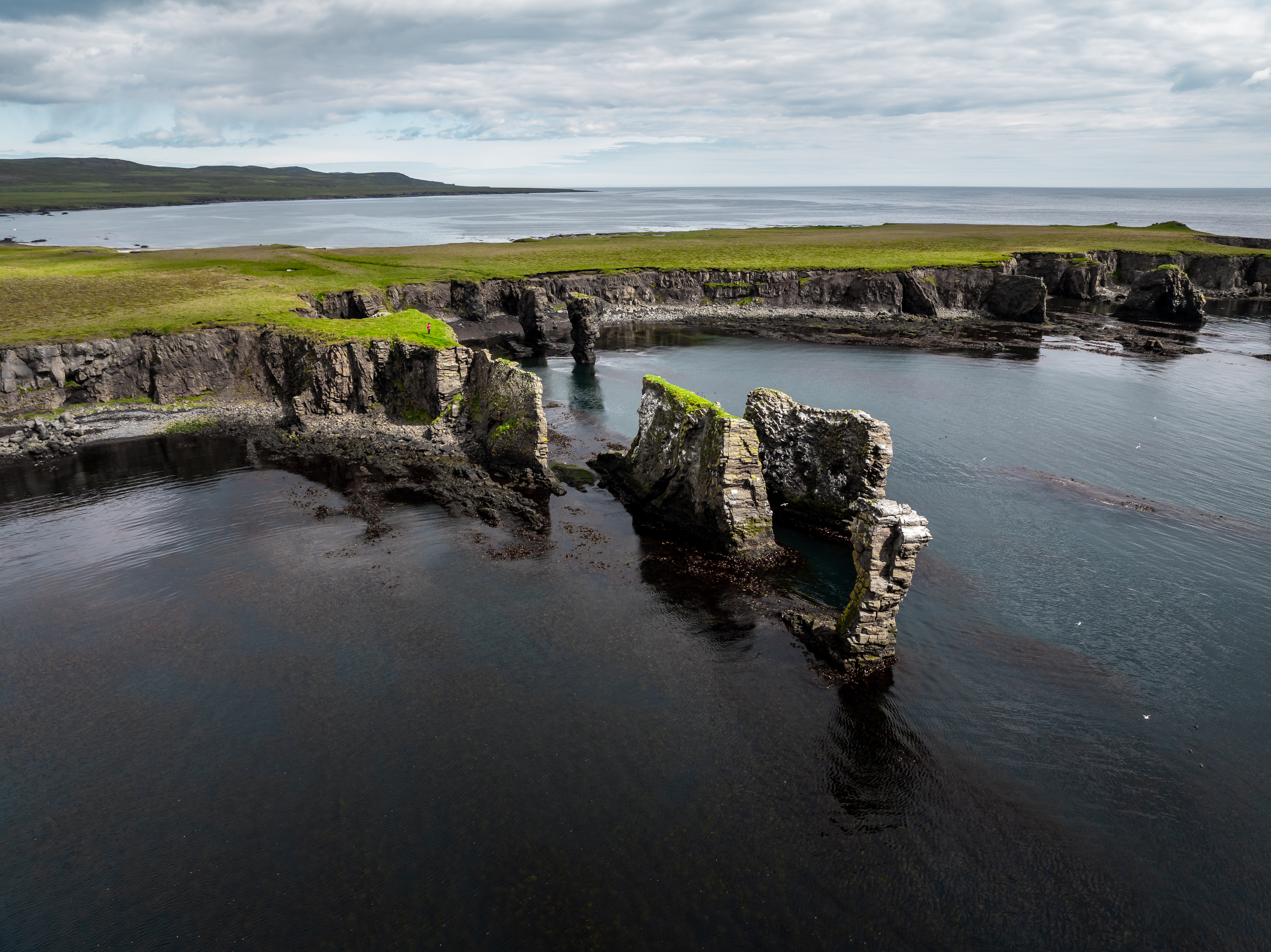
Photographer: Þráinn Kolbeinsson
2. Streitishvarf
Streitishvarf is a great outdoor area, suitable for the whole family. A beautiful, short hiking trail offers a brilliant insight to the geological history of Austurland, especially the dikes that are characteristic for the area. Although the hiking trail is short, it is a great place to stop for a few hours to play and enjoy the nature.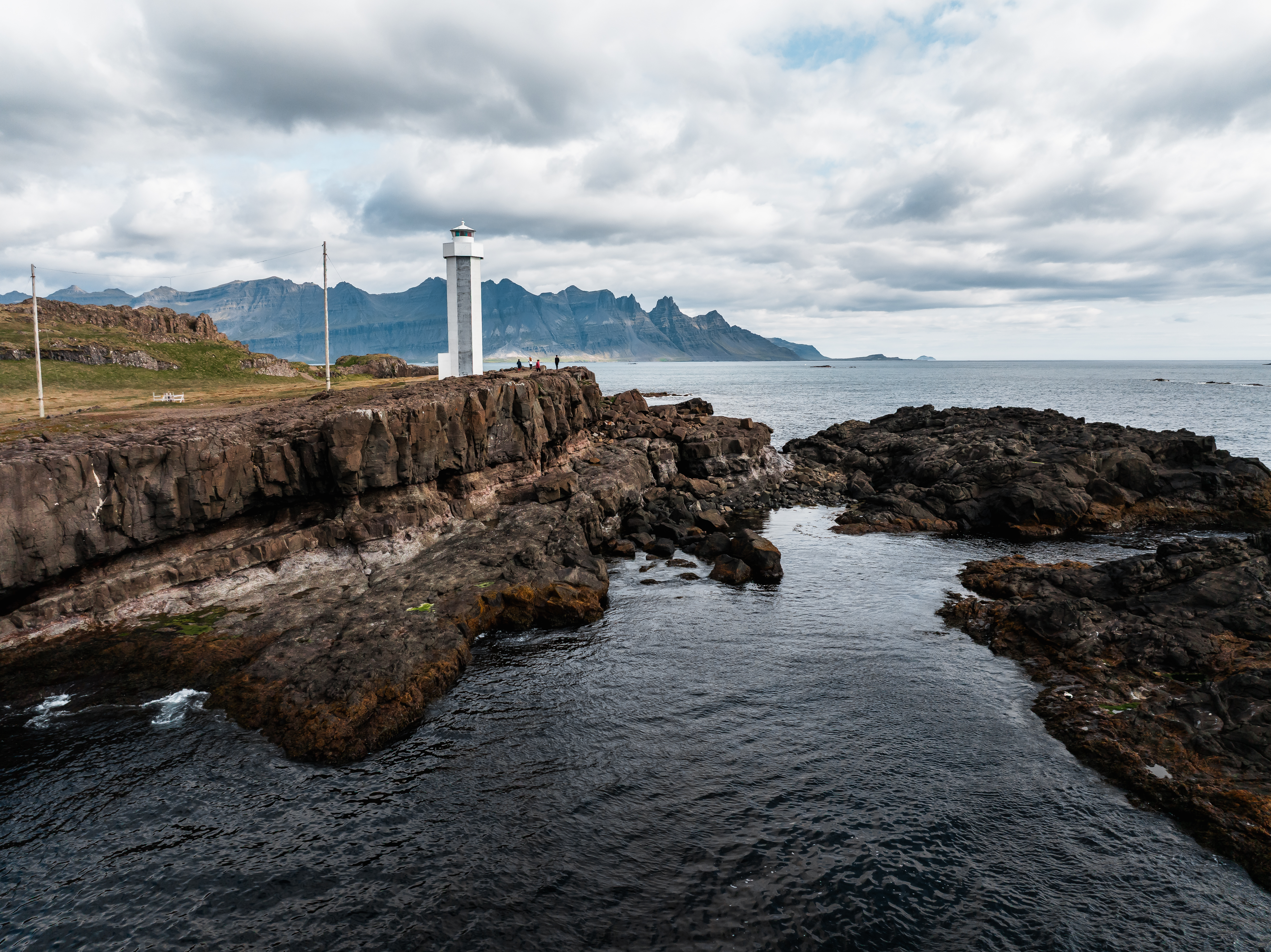
Photographer: Þráinn Kolbeinsson
3. Baugur Bjólfs
A circular viewpoint inspired by the history, nature and landscape of the area. From the viewpoint, a 360° panorama opens across Seyðisfjörður, the town, surrounding mountains and valleys. Part of the ring extends out over the mountainside, creating the sensation of floating above the landscape. It is a place to walk the circle, sit down, pause and take in the vast scenery. 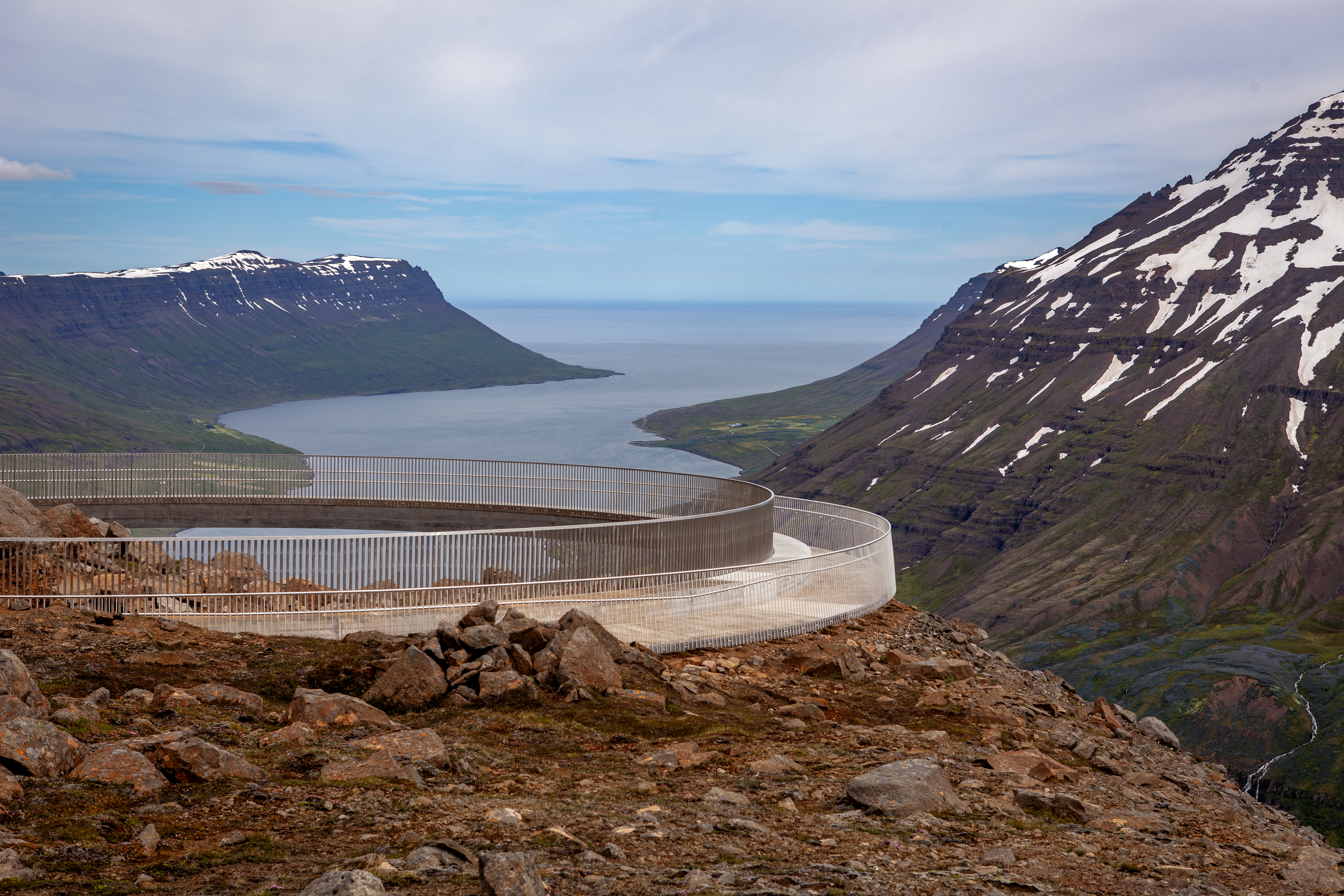 Photographer: Esther Ösp Gunnarsdóttir
4. A black sand beach in Djúpivogur
Stop in Djúpivogur, a small fishing village of about 450 people on the southeastern coast of East Iceland. It is known for its black sand beach, vegetated islets, and calm tidal pools. The area offers peaceful walks away from the crowds found on Iceland's more famous beaches. Bring binoculars to spot seabirds along the coast.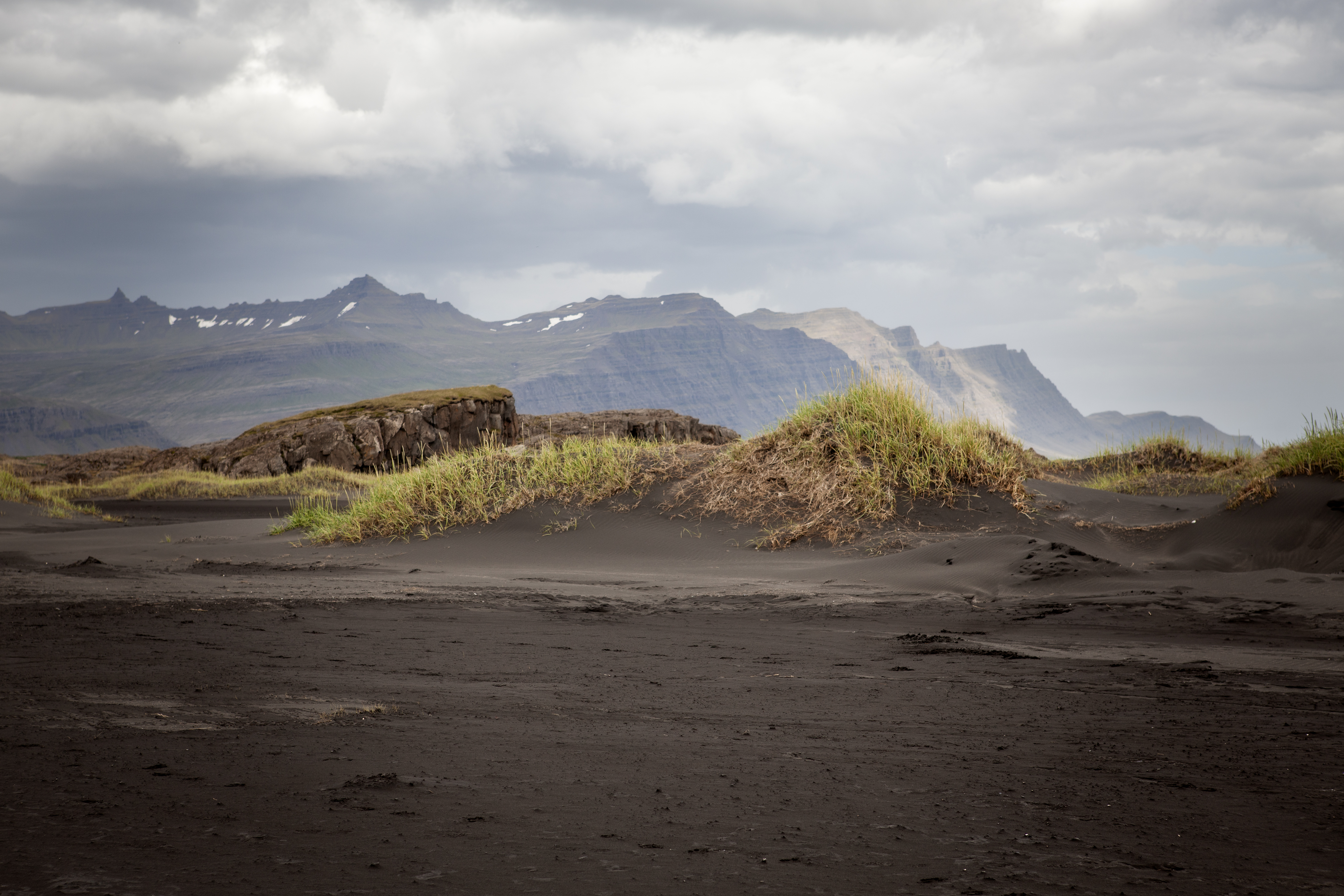 Photographer: Esther Ösp Gunnarsdóttir
5. Sanddalur
Sanddalur is a beautiful valley that lies south of Snæfell. The valley is barren and breathtaking with green moss plains and peculiar rock formations that envelop the valley with a fairytale glow. To go to Sanddalur you need a four wheel drive car, but you can also walk there from road number 910 to Kárahnjúkar.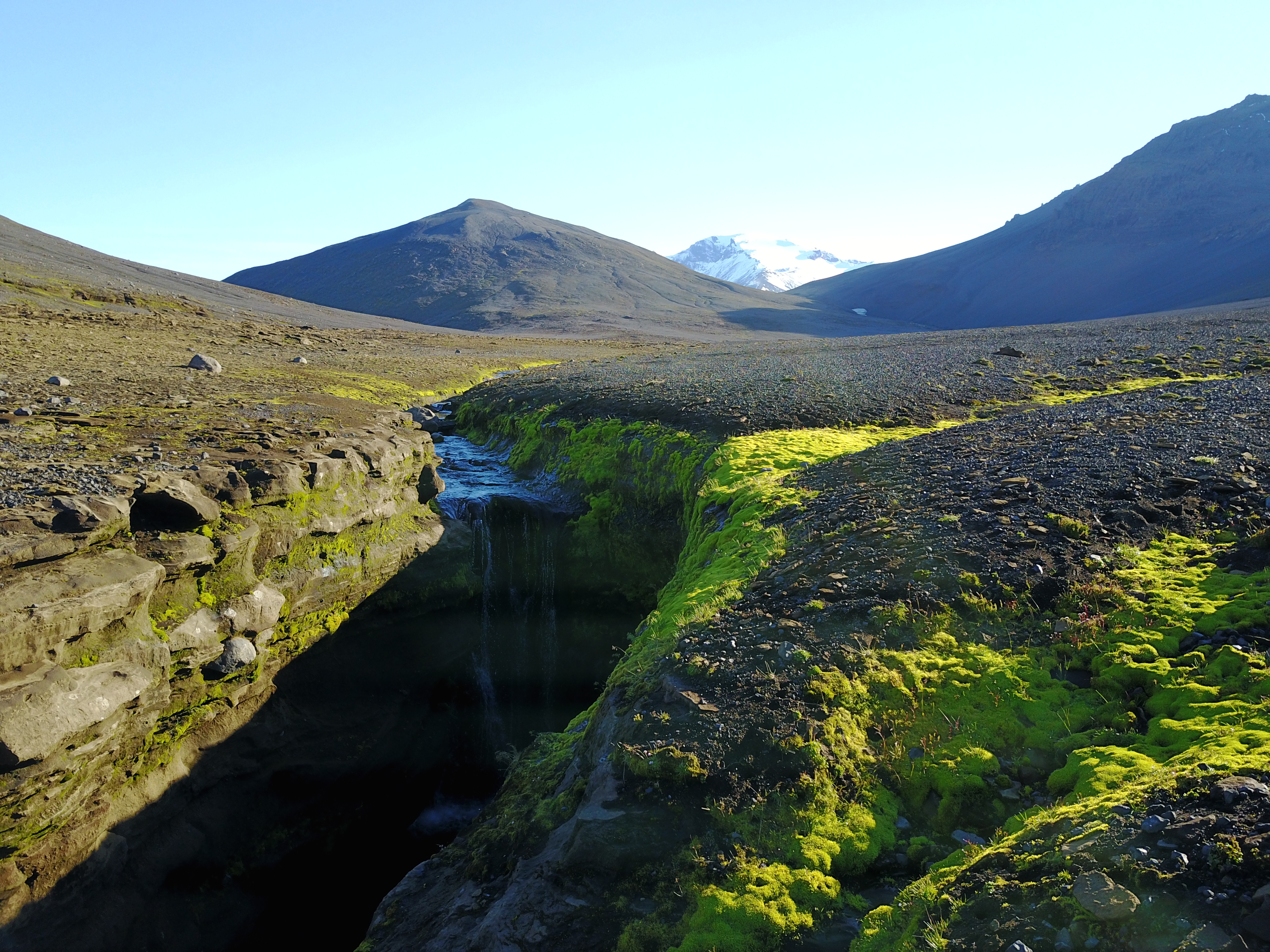 Photographer: Páll Guðmundsson
6. Mjóifjörður, one of Iceland's most remote fjords
Drive the winding mountain road into Mjóifjörður, one of Iceland's most remote fjords. It is known for steep mountains, a narrow coastline, and a strong sense of remoteness. Services in the area are limited, so plan before you go. Check road conditions before traveling, especially outside peak season.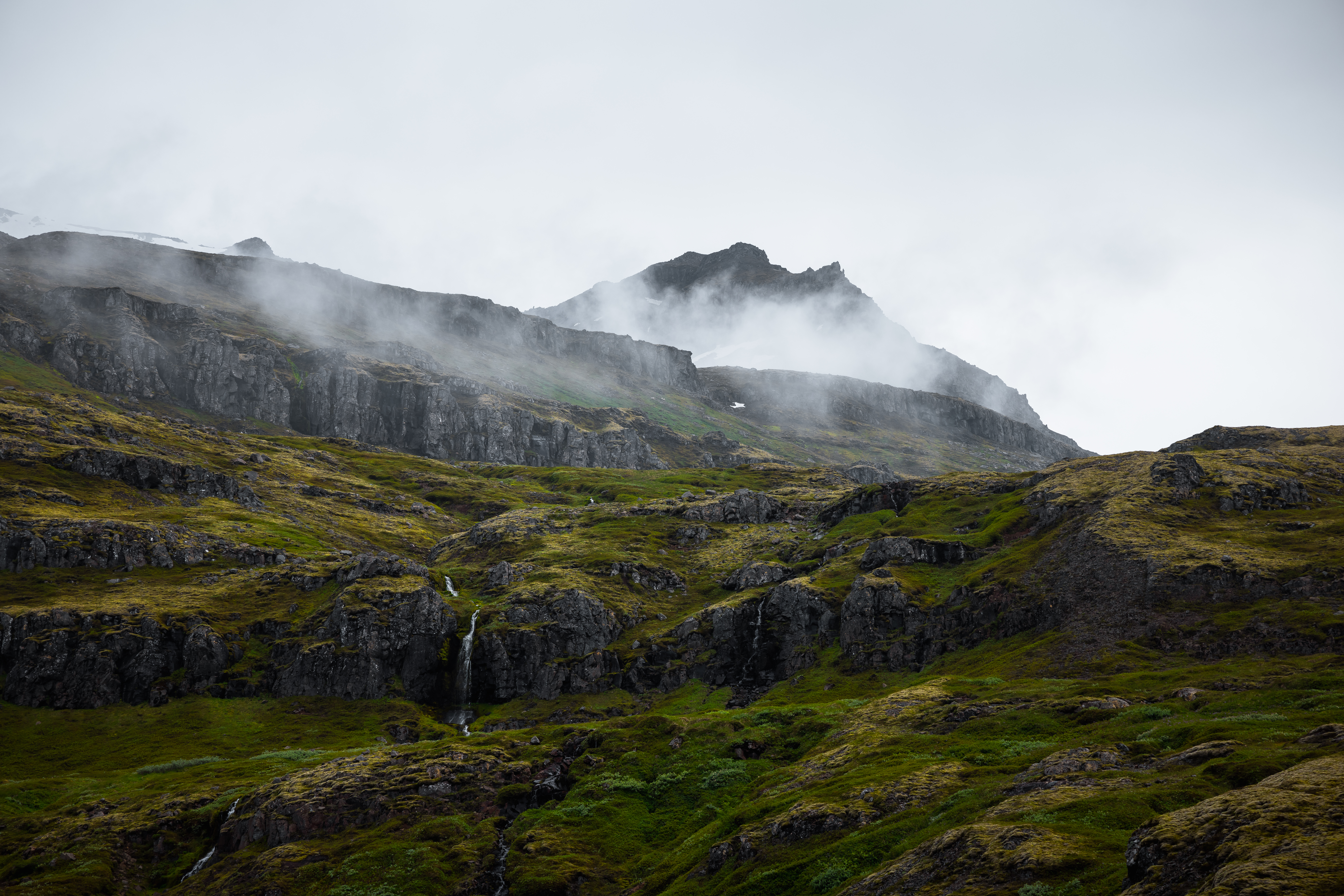 Photographer: Þráinn Kolbeinsson
7. Vestdalur Valley near Seyðisfjörður
Hike through Vestdalur Valley, where scenic trails cross colorful mountains, waterfalls, and green meadows. It is known for peaceful landscapes and fewer visitors than Iceland's famous hiking trails. Several routes cater to different experience levels. Wear sturdy hiking shoes and allow extra time for photography stops.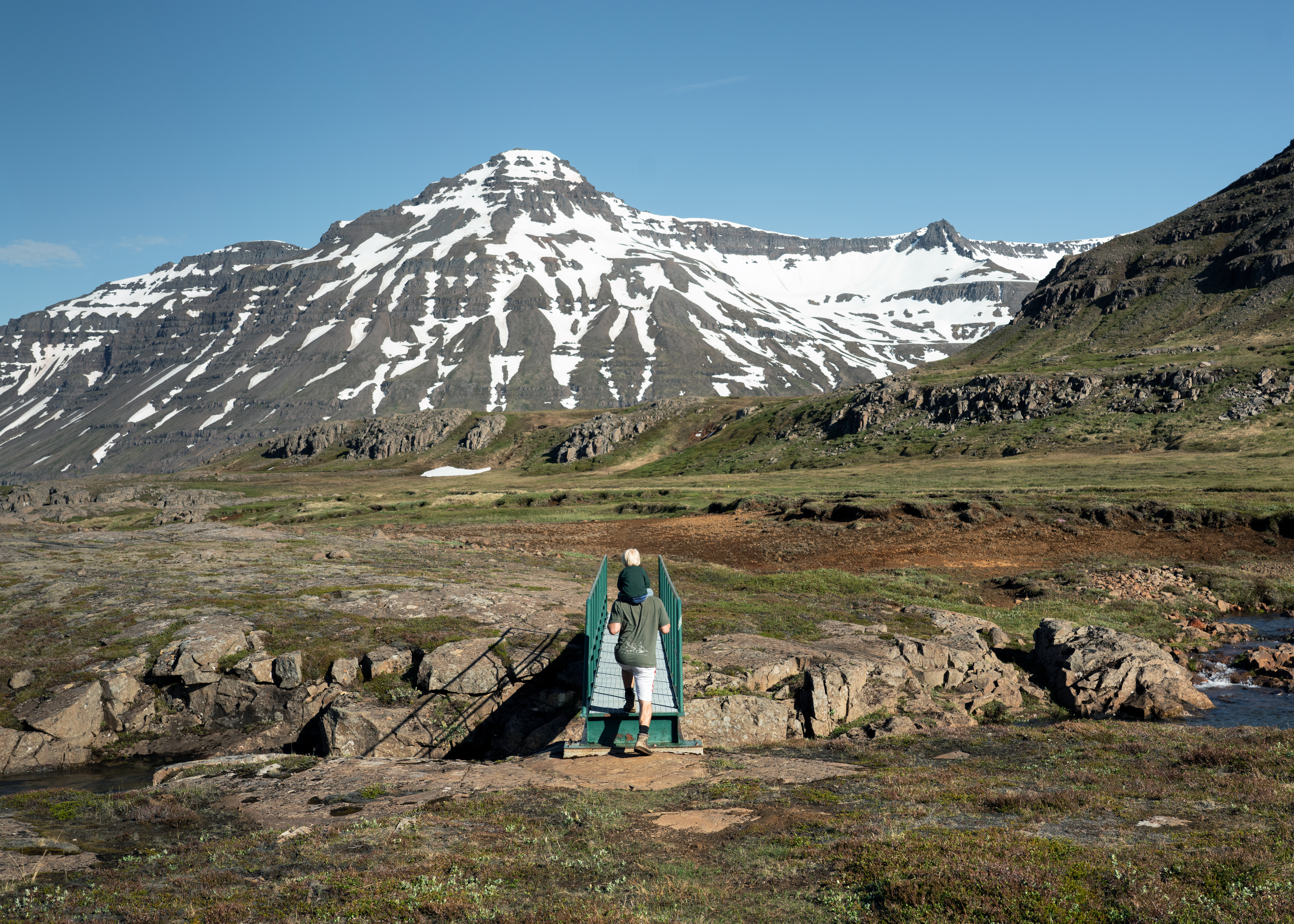 Photographer: Jessica Auer
8. Einbúi í Jafnadal
Jafnadalur is a valley in Stöðvarfjördur facing northward. At the core of the vale, there is Einbúinn - "The Hermit"- , a voluminous and solitary rock in otherwise flat surroundings. The Jafnadalur also boasts a 6 m. stonearch, located to the east of Mt. Álftafell. A walking trail connects Jafnadalur and fjord Fáskrúðsfjörður. These are agreeable surroundings and well suited for short or extensive hikes.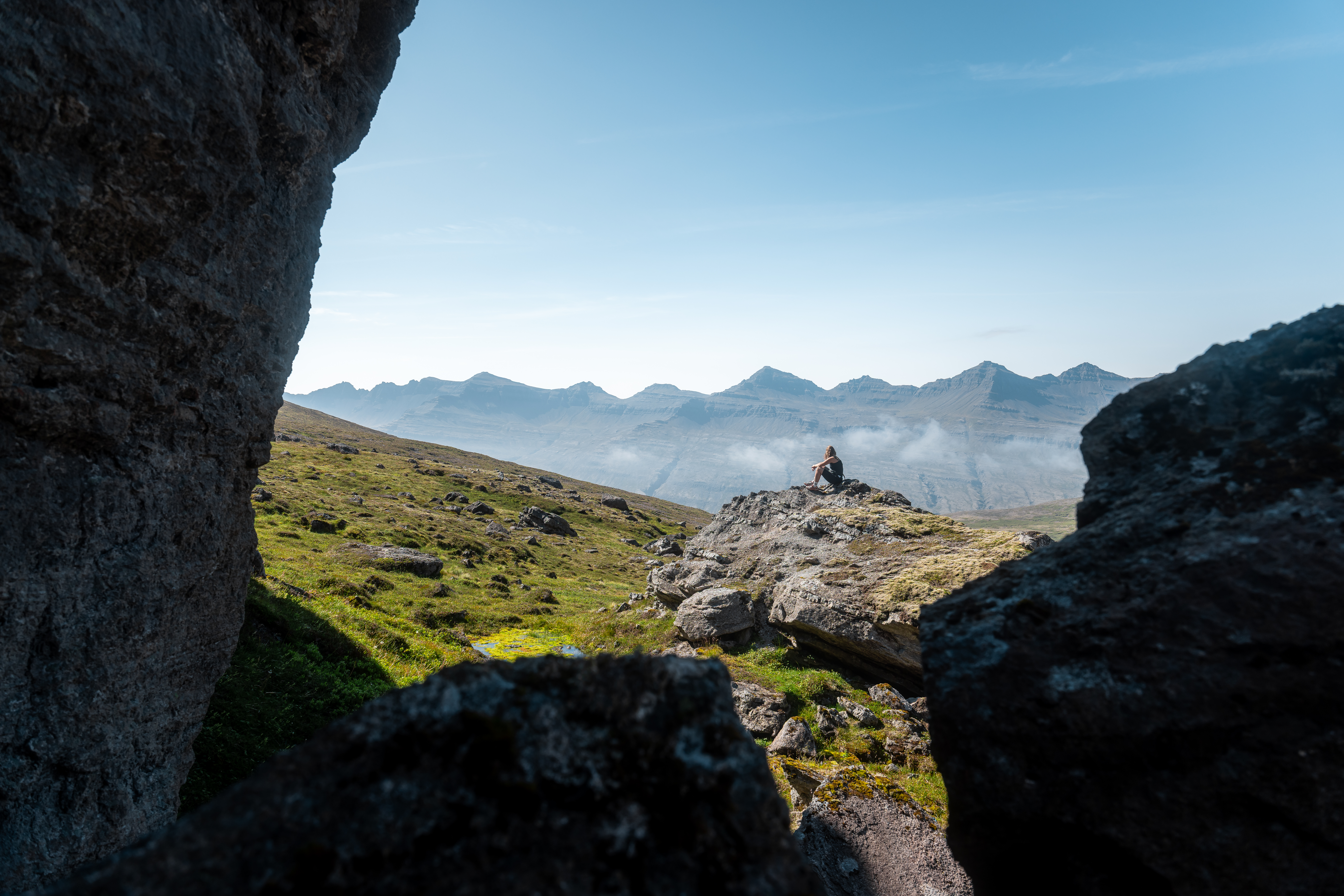 Photographer: Þráinn Kolbeinsson
9. Stapavík Bay and historic trading post
Follow the trail to Stapavík, a secluded bay that once served as an important trading post in East Iceland. The cove is known for its dramatic cliffs, colorful coastline, and traces of the area's maritime history. Accessible by hiking trail from nearby Borgarfjörður Eystri, the bay still shows traces of old fishing huts from its trading post era.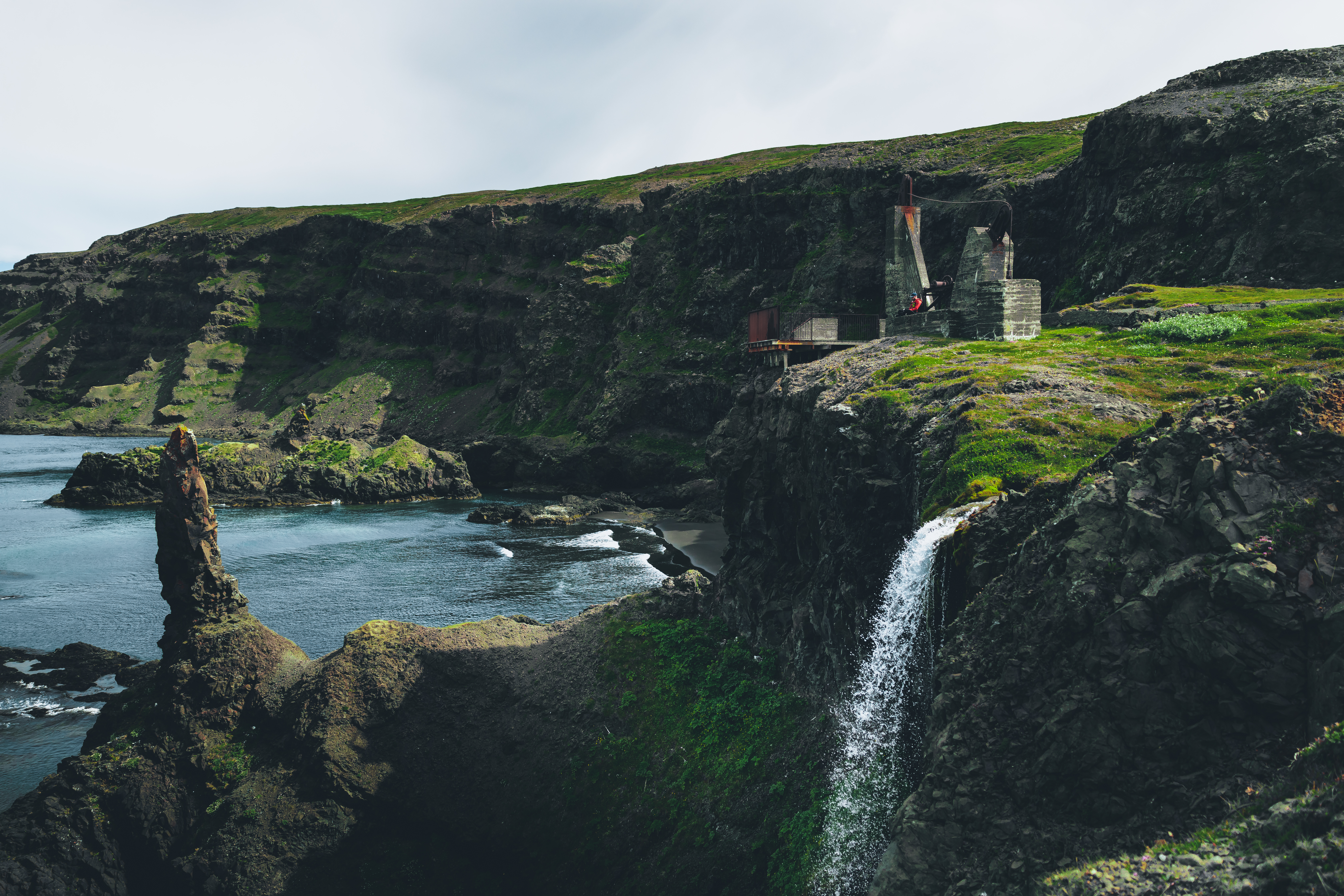
Photographer: Þráinn Kolbeinsson
Best Time to Visit East Iceland Hidden Gems
Summer, from June through August, opens access to nearly every stop on this list. Daylight lasts 17 to 22 hours during these months, with average highs ranging from 46°F to 52°F (8°C to 11°C). Mountain roads into Mjóifjörður is generally only accessible during this period.
Shoulder months like May and September bring fewer crowds but a higher chance of closed roads. Winter adds northern lights and quiet trails near Egilsstaðir. Most highland sites become difficult or impossible to reach.
Planning an East Iceland Itinerary
Having your own vehicle is the easiest way to link these stops, since buses run on a limited schedule. Most car rentals in East Iceland are picked up at Egilsstaðir Airport or in town, so booking ahead during summer is a good idea. The flexibility to stop for changing weather, wildlife sightings, or scenic viewpoints is part of what makes exploring the region so rewarding.
These small towns are close enough together for one road trip with little backtracking. Travelers visiting East Iceland for the first time often base themselves in Egilsstaðir, the largest town in East Iceland, and work outward. A shorter day trip can still cover two or three stops if time is tight.
The Rewards of Slowing Down in East Iceland
East Iceland hidden gems reward the extra driving time with a quieter, slower kind of travel. From basalt canyons and waterfalls to small towns, hiking trails, and hot springs, the region offers more than a quick Ring Road stop.
Whether you're planning a day trip or a longer East Iceland itinerary, these lesser known destinations showcase a side of Iceland many travelers miss. Start planning your own trip with the full list of destinations and travel routes in East Iceland.

What is there to see on the east side of Iceland?
East Iceland is a region of dramatic landscapes, peaceful fjords, waterfalls, forests, and quiet black sand beaches. Small fishing towns are scattered along the coast, while wild reindeer roam the mountains and valleys. With fewer crowds and wide open spaces, the region offers a sense of tranquillity and a closer connection to nature. And when the nights grow darker, the Northern Lights may even make an appearance.
What are some hidden gems in Iceland?
Some of the hidden gems include the Black sand beach in Djúpivogur, Stapavík, Einbúi, Streitishvarf, Fuglabjarganes, Baugur Bjólfs, Sanddalur, Mjóifjörður and Vestdalur
Is East Iceland worth visiting?
Yes. Travelers and local guides highly recommend East Iceland for its uncrowded trails and scenic road trips. It offers a quieter atmosphere than the country's busier regions.
What should you be careful of in Iceland?
Stay off marked closures near glacial rivers and canyon edges, since currents and loose gravel can be dangerous. Check road conditions before driving gravel routes, and keep a safe distance from cliff edges.
How many days do you need for an East Iceland itinerary?
Four to five days gives you plenty of time to explore East Iceland at a relaxed pace. A shorter trip can still cover some of the region's highlights and hidden gems if well organized, making even a couple of days a rewarding experience.
Can you visit East Iceland without renting a car?
It is possible to travel around East Iceland without a car, but options are limited, as buses run on a reduced schedule between smaller towns. Renting a car is the most practical way to explore the region, giving you the freedom to discover unexpected places along the way, travel at your own pace, and shape the journey around your interests. With the flexibility to stop whenever something catches your eye, you can make the most of your time in East Iceland.