
Hafrahvammagljúfur Canyon Travel Guide: Into the Wild Highlands of Austurland

Leave the everyday behind and head into the East Iceland highlands, where wide open landscapes, deep canyons, waterfalls, hot springs and remote hiking trails create a feeling of being far away from it all. This is a place to slow down, take in the silence and experience a wilder side of Austurland.
The highlands are perfect for combining several places and experiences into one journey. Choose the stops that interest you most and create your own route, whether you want to explore dramatic landscapes, head out on a hike, soak in a natural hot pool or simply enjoy the views along the way.
How much you explore is entirely up to you, but we recommend allowing at least two days to make the most of the East Iceland highlands. Spend your time discovering the places and experiences that interest you most, stay overnight and continue exploring the next morning. There is no need to see everything at once, take your time, follow your interests and put together a journey that suits both your plans and the time you have available.
Allow plenty of time for stops along the way. Sometimes the unexpected views, quiet moments and sense of space become the most memorable part of the journey.
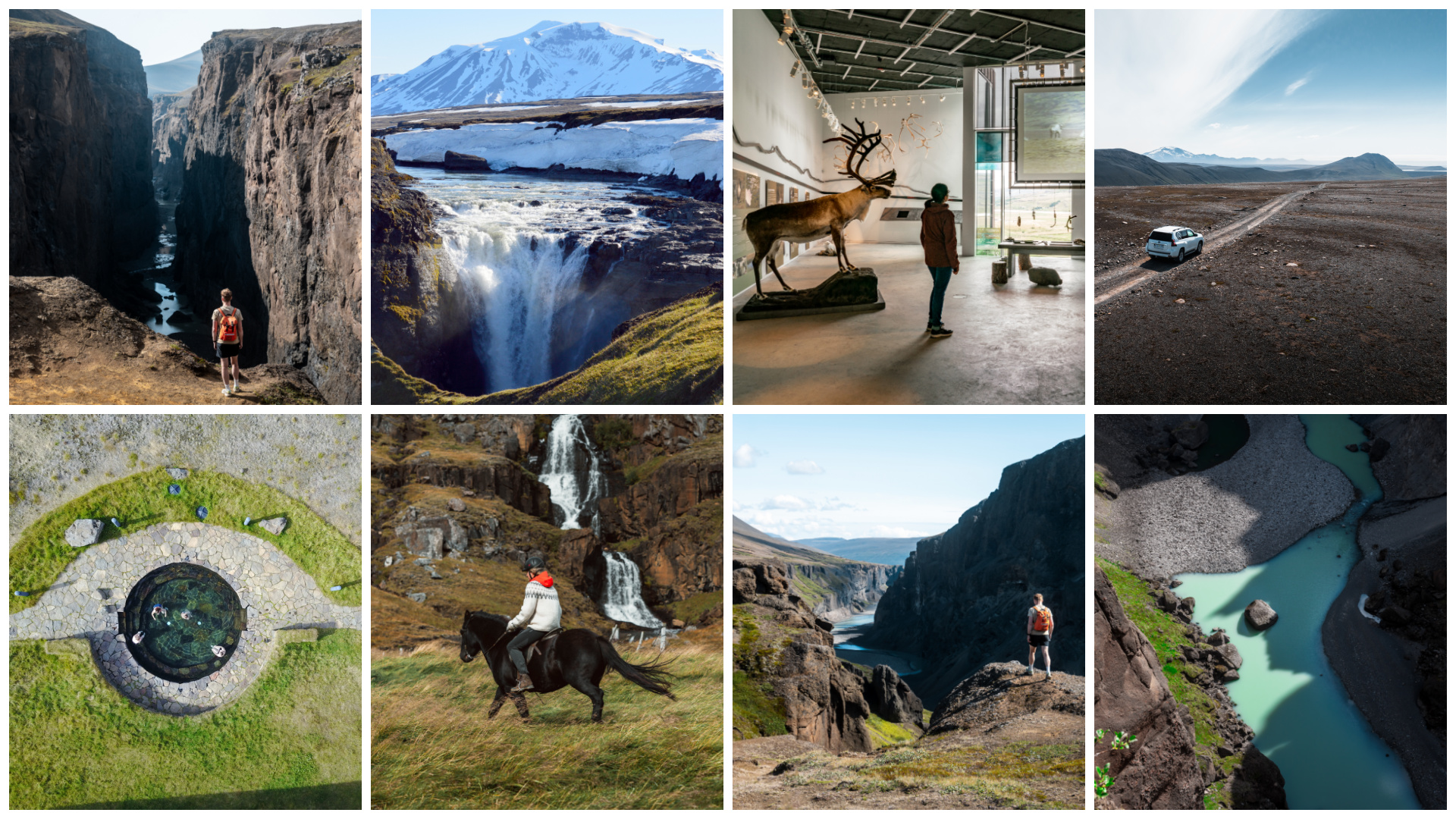
Come Prepared
This is a remote area with limited services, so it is a good idea to bring food, drinks and anything else you may need for the day. Shops, restaurants and other services are few and far between, so plan ahead before heading into the highlands. Fill up your vehicle before setting out and make sure you are prepared for changing weather and conditions.
The ideas in this guide are intended as inspiration for exploring the East Iceland highlands during the summer season. Access to the area is seasonal, and opening dates for highland roads vary from year to year depending on weather, snow and road conditions. Even during summer, conditions can change quickly and individual roads, hiking trails and areas may be inaccessible. Always check the latest weather forecast and current road conditions before setting out, make sure your vehicle is suitable for the route and adjust your plans if conditions are not favourable.
This area forms part of The Highland Circle, a travel route connecting some of the remarkable landscapes and experiences of the East Iceland highlands. Explore the route for inspiration, choose the stops that appeal to you and create a highland journey that suits your time and interests.
Photographer: Þráinn Kolbeinsson
Things to Do and See in the East Iceland Highlands
Use Egilsstaðir as your starting point for a journey into the East Iceland highlands. This guide is simply an idea of how much there is to see and experience in the area, rather than a fixed itinerary. Pick the places and experiences that appeal to you most, consider how much time you have and shape the journey around your own interests and pace. Whether you are drawn to hiking, dramatic landscapes, wildlife, geothermal pools or local stories, there are plenty of ways to make the journey your own.
We recommend allowing at least two days to explore the East Iceland highlands, giving you time to slow down, enjoy the journey and experience more of this remarkable part of Austurland.
1.Snæfelsstofa
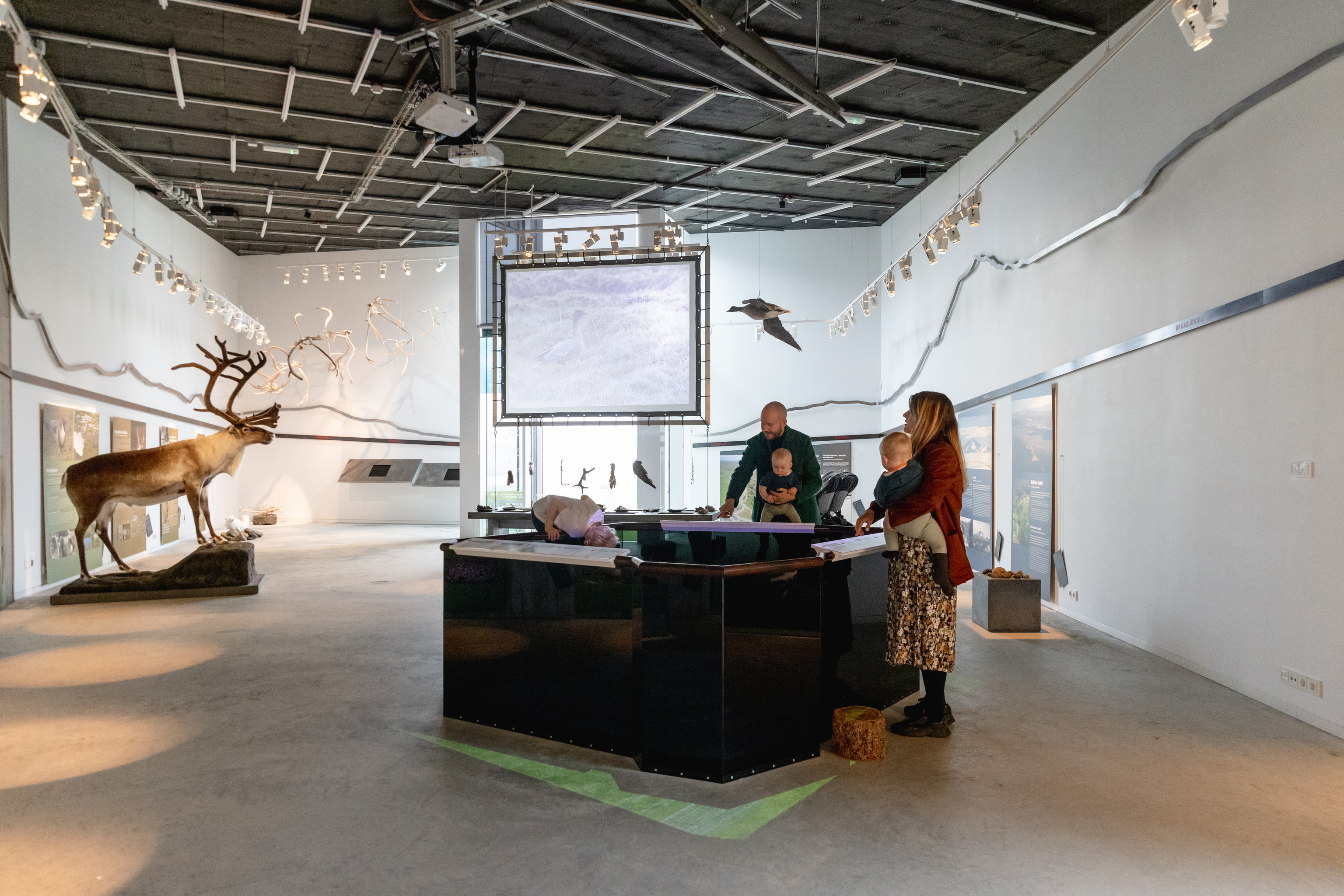
Drive around 40 km from Egilsstaðir to Snæfellsstofa, the visitor centre for the eastern territory of Vatnajökull National Park. This is a great first stop to learn more about the nature, wildlife and landscapes of the region and gain a deeper understanding of the extraordinary environment you are about to explore.
Explore the interactive exhibition, discover the wildlife and geology of the area through multimedia displays and enjoy activities designed for younger visitors. With something for both adults and children, Snæfellsstofa is an easy and family friendly addition to a day exploring Fljótsdalur.
The centre is also a good starting point for learning more about Vatnajökull National Park, one of Europe’s largest national parks and a UNESCO World Heritage Site. Its vast landscapes are shaped by the interaction of glaciers, volcanoes, rivers and waterfalls, creating some of Iceland’s most remarkable natural scenery.
If you are interested in visiting Mt Snæfell, take the opportunity to ask the staff at Snæfellsstofa for information about the mountain, hiking opportunities and current conditions. Rising to 1,833 metres, Snæfell is the highest mountain in Iceland outside the glacier regions, but you do not have to climb to the summit to experience the area. Explore the surrounding landscape on foot, enjoy a shorter walk or simply take in the vast wilderness and views around the mountain.
Photographer: Gunnar Freyr Gunnarsson
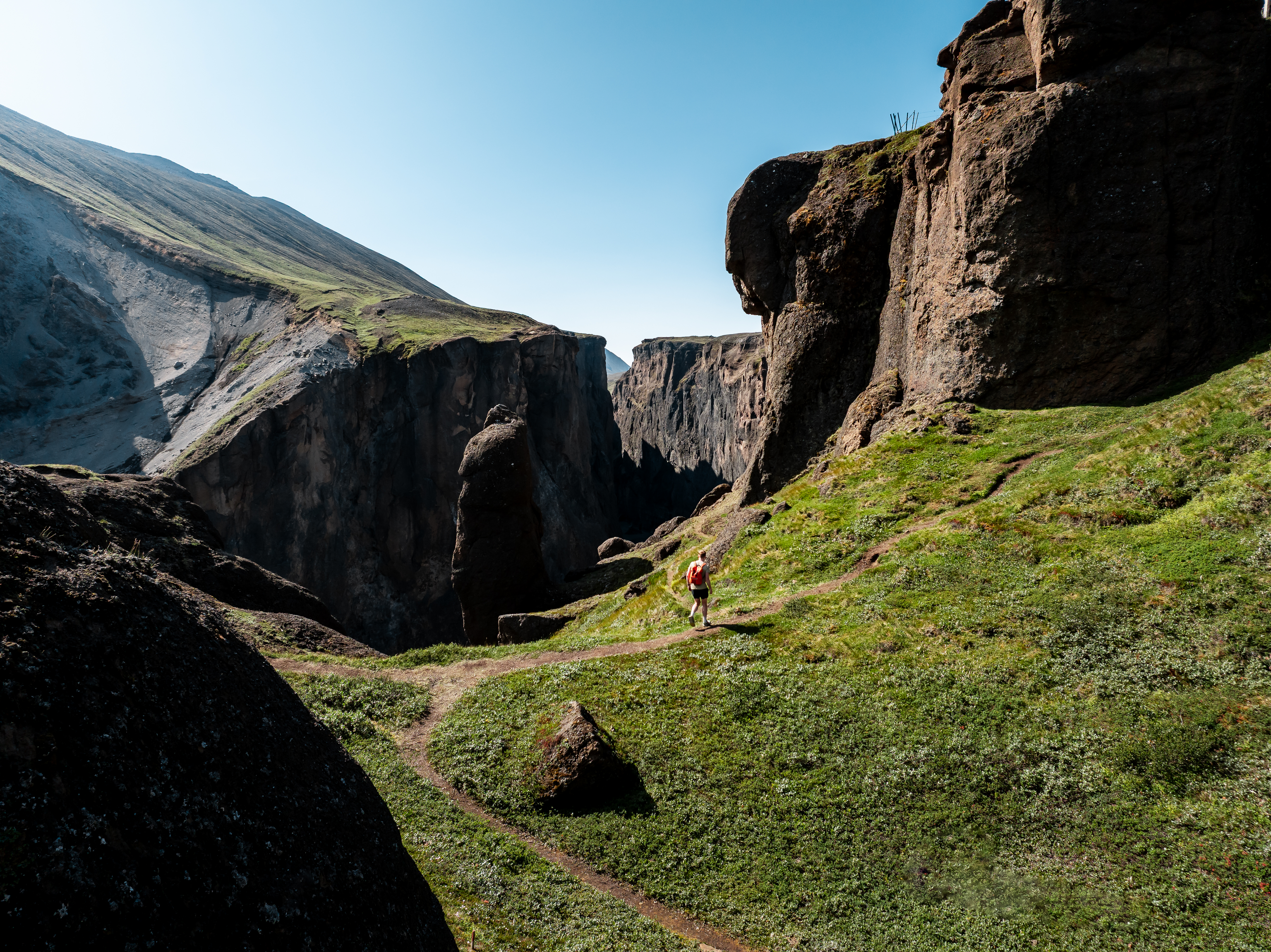
2.Hafrahvammagljúfur
From Snæfellsstofa, head further into the highlands towards Hafrahvammagljúfur, around 70 km away. A 4x4 vehicle is required to reach the starting point of the hiking trail, so make sure your vehicle is suitable for the journey and always check current road and weather conditions before setting out.
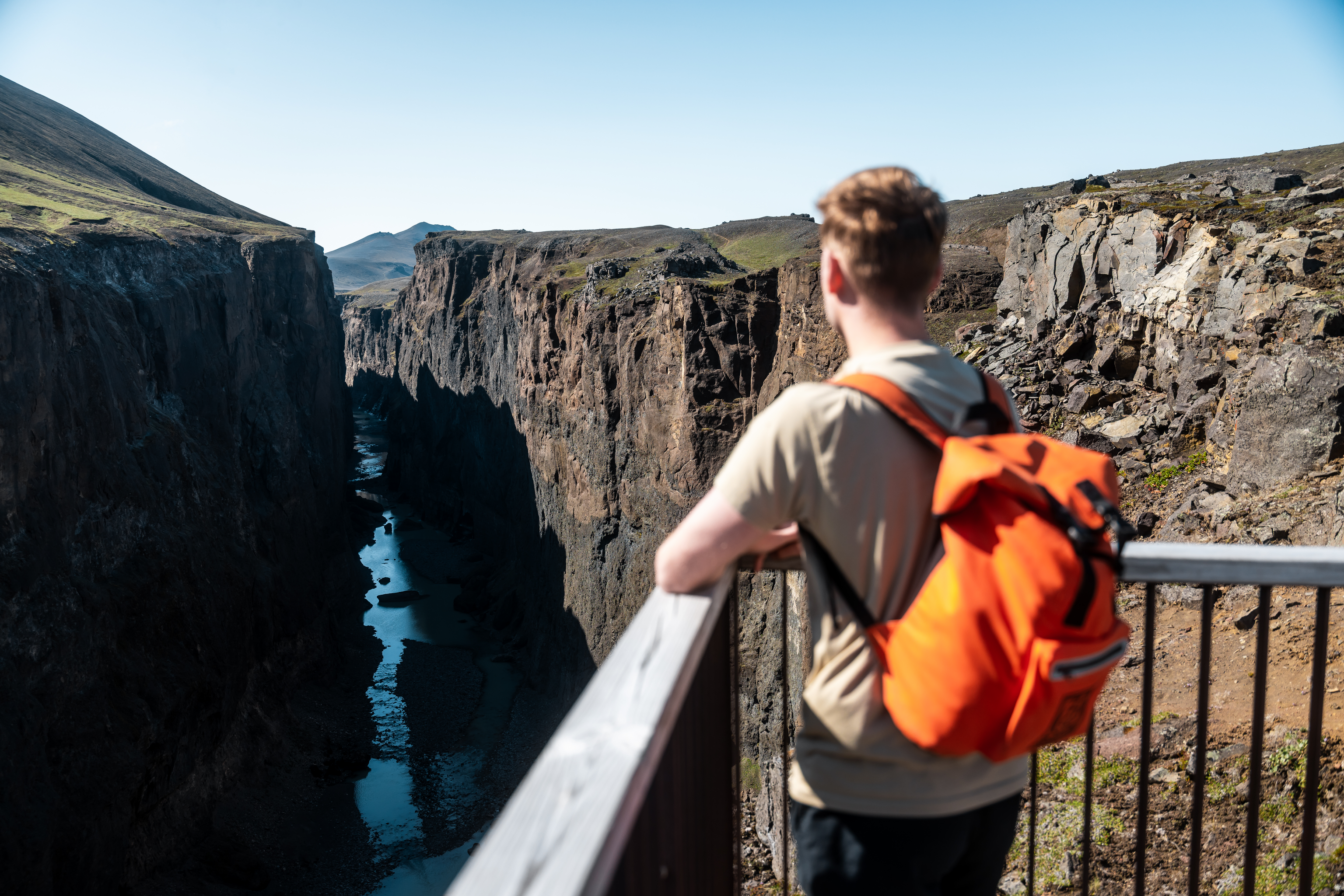
At Hafrahvammagljúfur, you can take a short walk from the parking area to the viewpoints overlooking the canyon. If you have more time and feel like exploring further, follow the marked trail towards Magnahellir to experience the canyon from a different perspective.
Choose how far you want to go depending on your time, interests and energy, whether you simply enjoy the views from above or make a longer hike part of your visit.
Hafrahvammagljúfur is one of the largest and most impressive canyons in Iceland, reaching around 200 metres in depth and stretching for about eight kilometres through the dramatic highland landscape of Austurland.
A marked hiking trail follows the canyon and leads down towards Magnahellir, offering a chance to experience the scale and rugged beauty of the area up close. A 4x4 vehicle is required to reach the starting point of the hiking trail. Part of the canyon can also be seen from the Kárahnjúkar dam area, which is more accessible by car when road conditions allow.
Hafrahvammagljúfur is only accessible during the summer season, and conditions can still make the roads impassable at any time. Weather and road conditions in the highlands can change quickly, even in summer. Always check the latest weather forecast and current road conditions before setting out, and never attempt to drive the route if conditions are unsuitable or the road is closed.
Photographer: Þráinn Kolbeinsson
3.Laugarfell
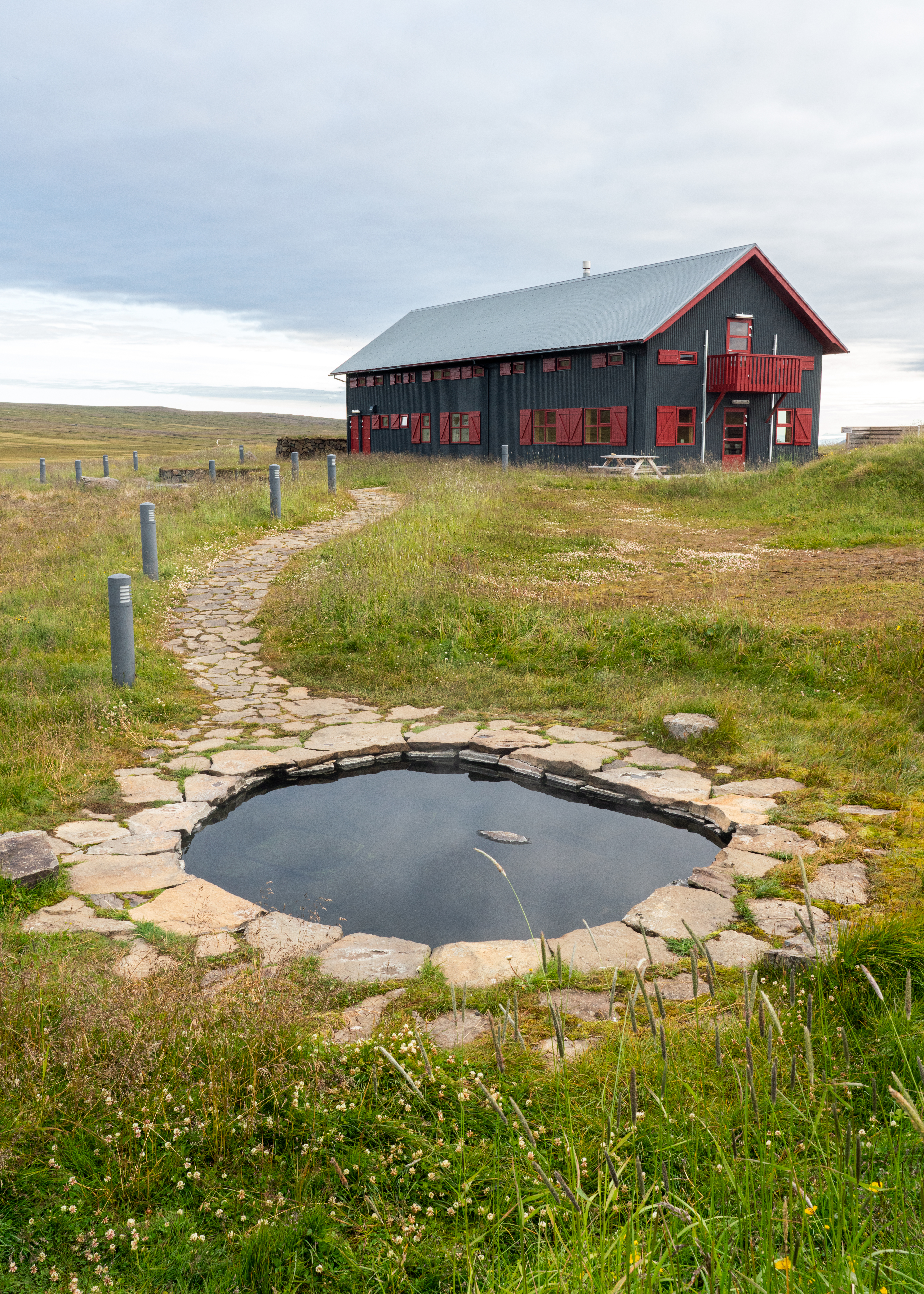
After your hike at Hafrahvammagljúfur, make your way to Laugarfell (21 km) and settle in for the night. Set in the East Iceland highlands, Laugarfell is the perfect place to slow down after a day of exploring.
Enjoy a meal, relax in one of the two natural geothermal pools and take in the peaceful highland surroundings. According to local folklore, the water is said to have healing powers and after a day of hiking, a warm soak in the middle of the highlands is a rewarding way to end the day.
Laugarfell offers accommodation and food, so you can stay overnight and wake up surrounded by the wild landscapes of the East Iceland highlands, ready to continue your journey the following morning.
Photographer: Jessica Auer
4.The Wilderness Center
After a night at Laugarfell, take the morning to enjoy the surrounding highland landscape before continuing your journey. Explore one of the walking trails, look out for reindeer or start the day with a relaxing soak in the natural geothermal pools.
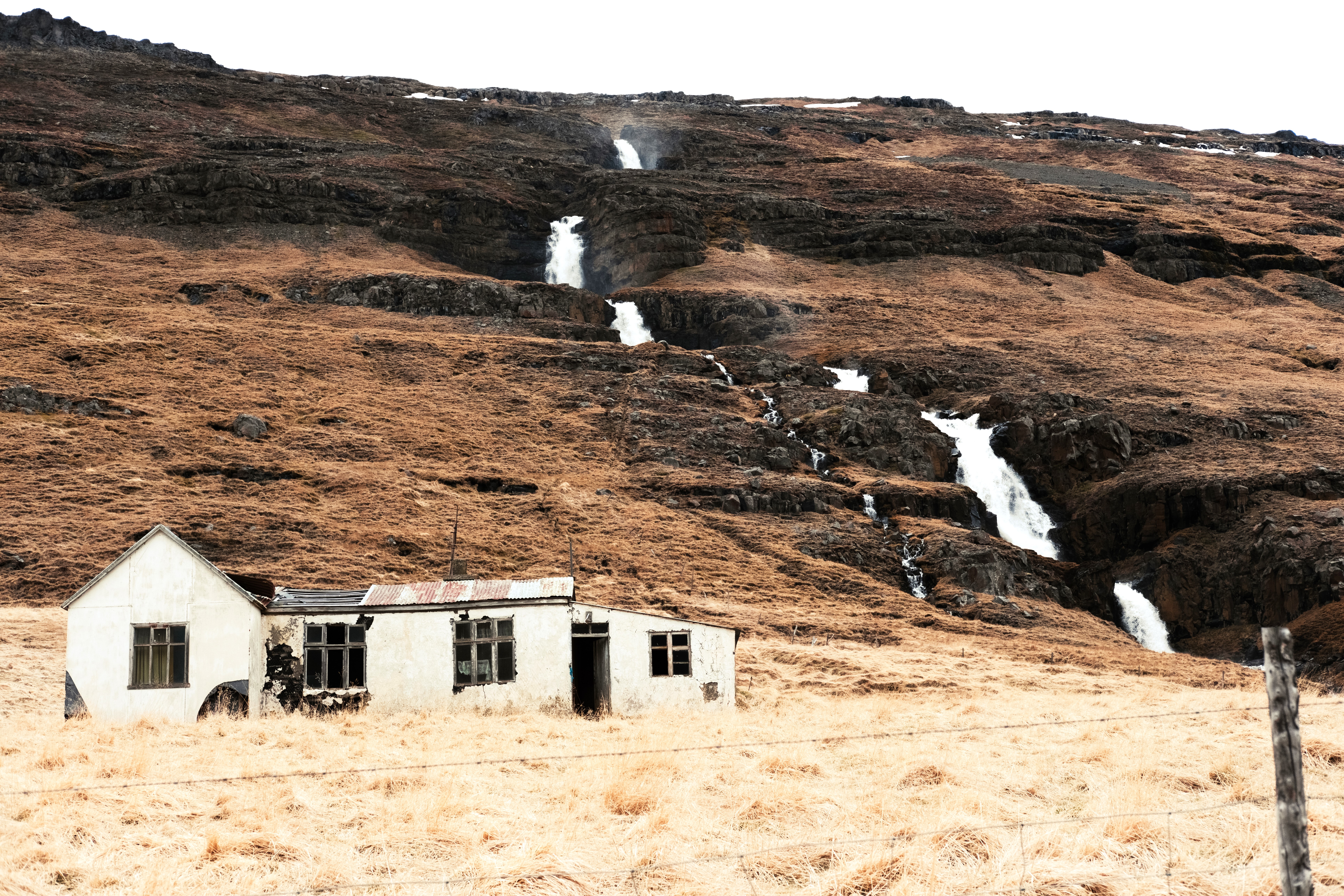
When you are ready to continue, leave the highlands behind and make your way down into Fljótsdalur towards The Wilderness Center (around 55 km) where more experiences await.
Take some time to explore the museum and historic buildings, with stories and experiences that are suitable for all ages. Stop for a meal and enjoy traditional Icelandic food, unwind in the on-site spa, or, if you still have energy for another experience, head out on horseback and explore the surrounding landscape.
From here, you can stay another night and enjoy the peaceful surroundings of Fljótsdalur, or make your way back to Egilsstaðir, around 53 km away, bringing your two day journey through the East Iceland highlands to an end.
Opening times, activities and dining options vary by season, so check current availability directly with the Wilderness Center before your visit.
Photographer: Geertje Marquardt
5.The Waterfall Trail
If hiking is high on your list, consider making the Waterfall Trail part of your highland journey. The route connects two of the stops in this guide, the Wilderness Center and Laugarfell, making it easy to fit into your trip if time and conditions allow.
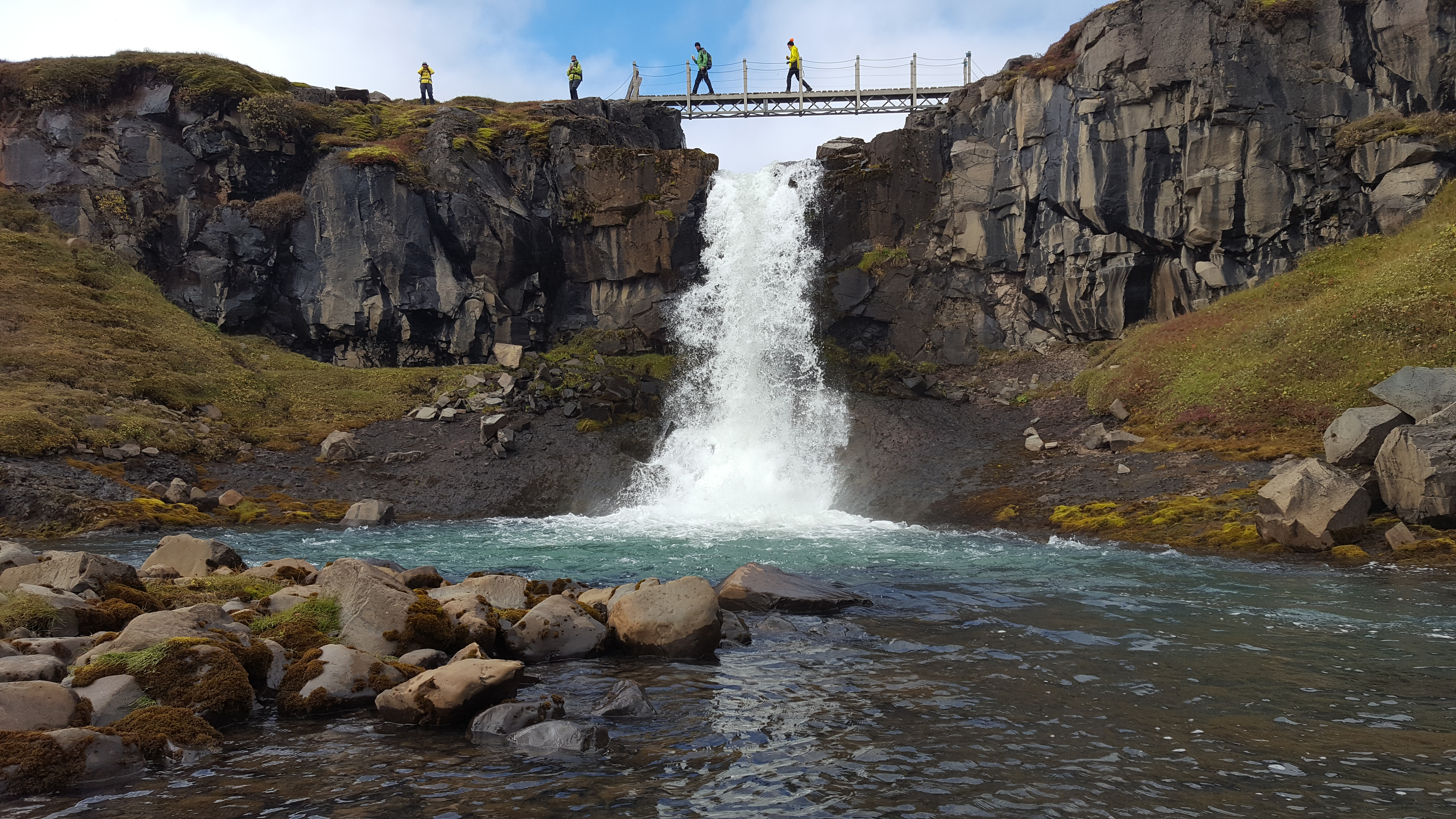
Follow the glacial river through Fljótsdalur on the Waterfall Trail, a beautiful hiking route connecting the Wilderness Center and Laugarfell in the East Iceland highlands. Along the way, the river winds through a dramatic canyon and passes a series of waterfalls, creating an ever-changing landscape from the valley floor to the highland plateau.
The route is around 20 km and takes approximately six hours to hike. It can be walked in either direction, starting at the Wilderness Center and heading uphill towards Laugarfell, or beginning at Laugarfell and making your way down into the valley.
Along the way, take a break among the natural birch woodland, enjoy views of waterfalls and keep an eye out for wildlife. Reindeer are often found in this part of the highlands, and you may even be lucky enough to spot an Arctic fox.
At Laugarfell, a soak in the natural geothermal pools is a rewarding way to relax after a long day on the trail. Transport between Laugarfell and the Wilderness Center may also be available, making it easier to plan the hike in one direction.
This is a long hike in a remote area, and conditions can change quickly. Always check the latest weather forecast, trail and road conditions before setting out, come prepared with suitable clothing and equipment, and check transport and other services directly with Laugarfell or the Wilderness Center in advance.
Photographer: Páll Guðmundur Ásgeirsson
Plan Your East Iceland Highlands Adventure
Ready to explore the East Iceland highlands?
We recommend allowing at least two days to experience the highlands without rushing and to make time for the places and activities that interest you most. Use the ideas in this guide as inspiration rather than a fixed itinerary, choose what catches your interest, adjust the journey to your time and pace, and make the adventure your own.
Combine dramatic landscapes with hiking, wildlife, local stories, a relaxing soak in a geothermal pool or an overnight stay in the highlands. You do not need to experience everything in one trip. Sometimes choosing fewer stops and giving yourself more time to enjoy them makes for an even better journey.
Whether you follow the full journey or simply pick a few ideas along the way, take your time, enjoy the landscapes and create your own unforgettable adventure in the East Iceland highlands.

When can I visit the East Iceland highlands?
Access to the highlands is seasonal and generally limited to the summer months. Highland roads open at different times each year depending on snow, weather and road conditions, and some areas may remain inaccessible even during summer. Always check current conditions before your trip.
Do I need a 4x4 vehicle to explore the East Iceland highlands?
It depends on where you plan to go. Some areas can be reached by regular vehicles when conditions allow, while more remote highland roads require a suitable 4x4. A 4x4 vehicle is required to reach the hiking area at Hafrahvammagljúfur. Always check the road conditions and requirements for your planned route before travelling.
Can roads in the highlands be closed or impassable?
Yes. Weather and road conditions can change quickly, and roads may be closed or impassable because of snow, wet conditions or other factors, even in summer. Never drive onto a closed road or a road that is unsuitable for your vehicle, and be prepared to change your plans if conditions are not favourable.
How much time should I allow for exploring the East Iceland highlands?
We recommend at least two-three days. This gives you time to explore without rushing, enjoy hikes and viewpoints, relax in the geothermal pools at Laugarfell and stay overnight in the highlands.
What should I bring when travelling into the highlands?
Come prepared for a remote area with limited services. Bring food and drinks, suitable clothing and footwear, and fill up your vehicle before setting out. Check the latest weather, road and trail conditions, and make sure your vehicle is suitable for the roads you plan to travel.
How do I get to the East Iceland highlands?
The East Iceland highlands can be reached from several routes, depending on where you are heading. From Egilsstaðir and the Fljótsdalur area, roads lead towards destinations such as Laugarfell, Snæfell and Hafrahvammagljúfur. Distances, road surfaces and vehicle requirements vary considerably, so plan your route carefully and check current road conditions before setting out.
Are there hiking trails in the East Iceland highlands?
Yes. The highlands offer a wide range of hiking opportunities, from shorter walks to viewpoints and waterfalls to longer mountain and wilderness routes. Popular hiking areas include Laugarfell, Snæfell, Hafrahvammagljúfur and the surrounding valleys. Trails can be remote and conditions change quickly, so choose a route suited to your experience and the conditions.
Do I need to check road and weather conditions before visiting?
Yes, always. Weather and road conditions in the East Iceland highlands can change quickly, even during summer. Check the latest weather forecast and road conditions before setting out, and make sure your vehicle is suitable for your planned route. Be prepared to change your plans if conditions are not favourable.