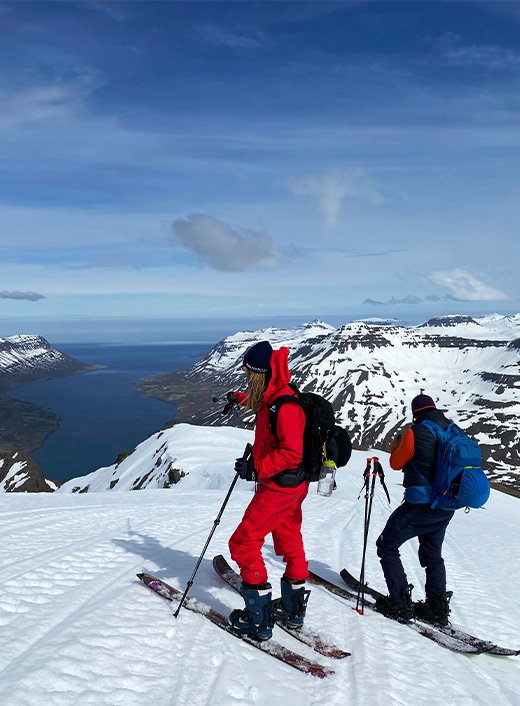
April
Ave. temp 0°C / 32F
Daylight hours 15
Daylight hours 15

Or try searching by Category and/or Location
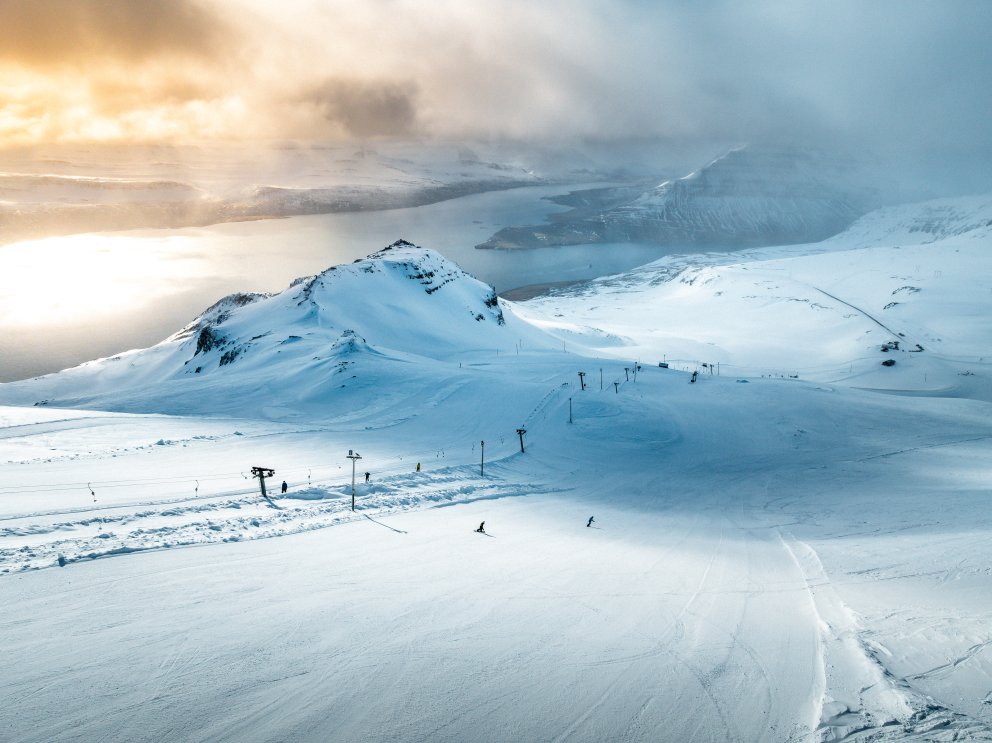
Iceland enjoys a much milder climate than its name and location adjacent to the Arctic Circle would imply. A branch of the Gulf Stream flows along the southern and western coast, greatly moderating the climate.
However, this brings mild Atlantic air into contact with colder Arctic air, resulting in a climate marked by frequent changes in weather and storminess. Furthermore, this leads to more rainfall in the southern and western parts than in the northern part of the island.
Iceland's weather can change frequently, with mild Atlantic air meeting colder Arctic air. The climate is also influenced by the Gulf Stream, which helps moderate temperatures along the southern and western coast.
The summer tourist season is from late May to early September.
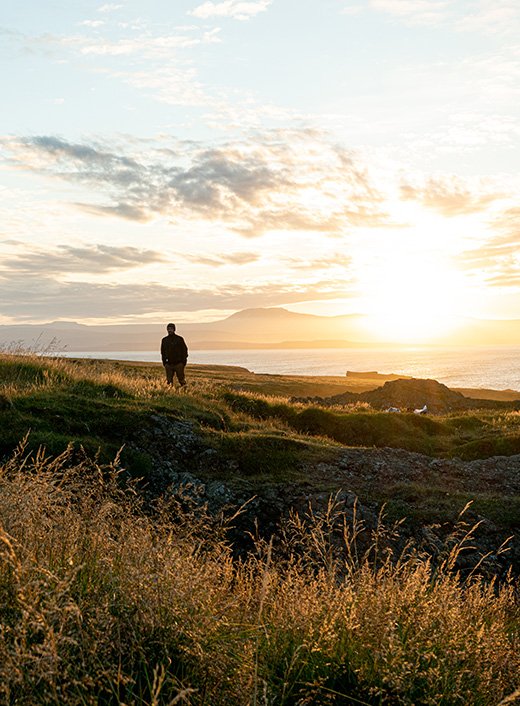
During the first half of this period, the sun stays above the horizon for almost 24 hours, and the interplay of light and shadows on mountains, lava fields and glaciers yields an ever-changing landscape.
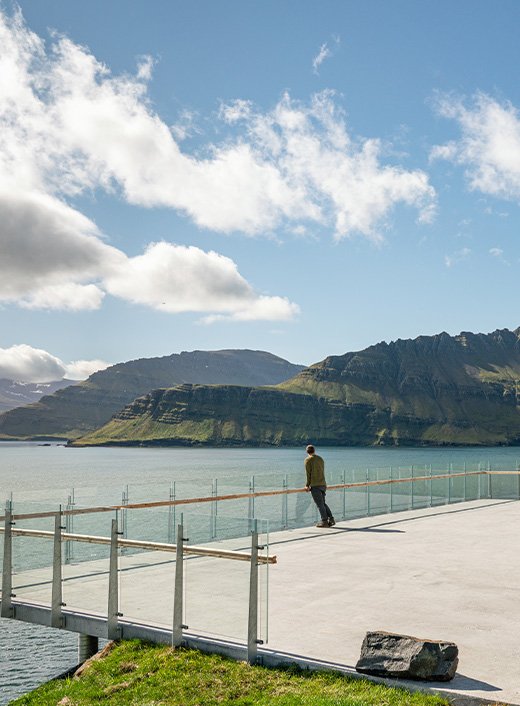
However, even during the middle of summer, the sky is frequently cloudy or overcast, and the sunshine does not warm the air much. Hence, during daytime, the air is usually cool (refreshing) and cold during nighttime.
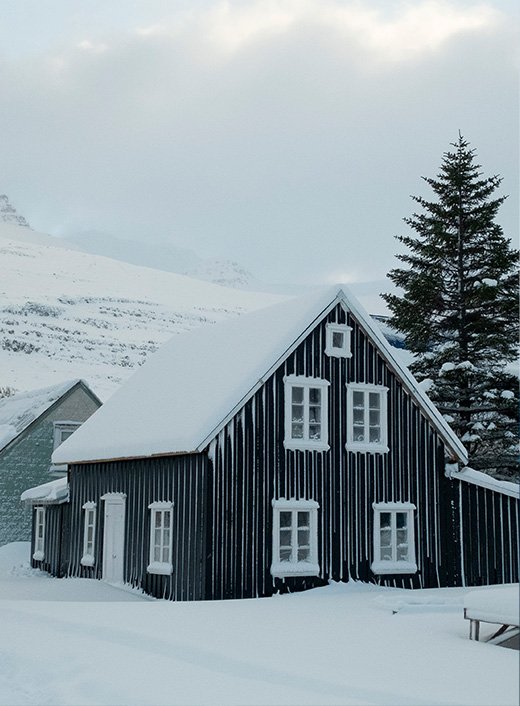
The winter season is the abode of long nights and severe winter storms.
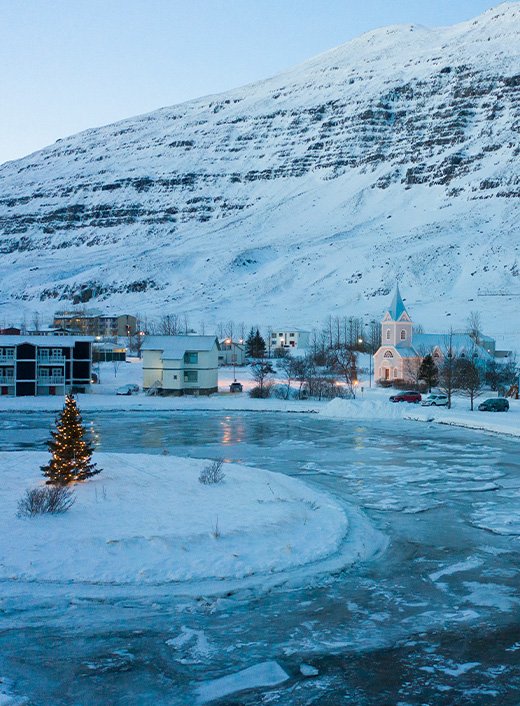
However, the silence of the frozen expanse and the dance of the Aurora Borealis on a clear night sky draws an increasing number of tourists.