
East Fjords Iceland in Autumn for Photographers

Why Autumn Is Worth Photographing in the East Fjords
There’s more to Iceland’s seasons than the midnight sun and northern lights. In the East Fjords, the landscape and experience shift throughout the year. Autumn, from September to October, is considered by many photographers to be one of the best times of year to visit, with changing colours, softer light, and fewer people around.
Colors You Rarely See in Iceland
Iceland's colors stay mostly green, black, and white throughout the year. Black sand beaches, dark lava fields, and white glaciers fill most photos of the country. Autumn adds a hue most photographers never capture here.
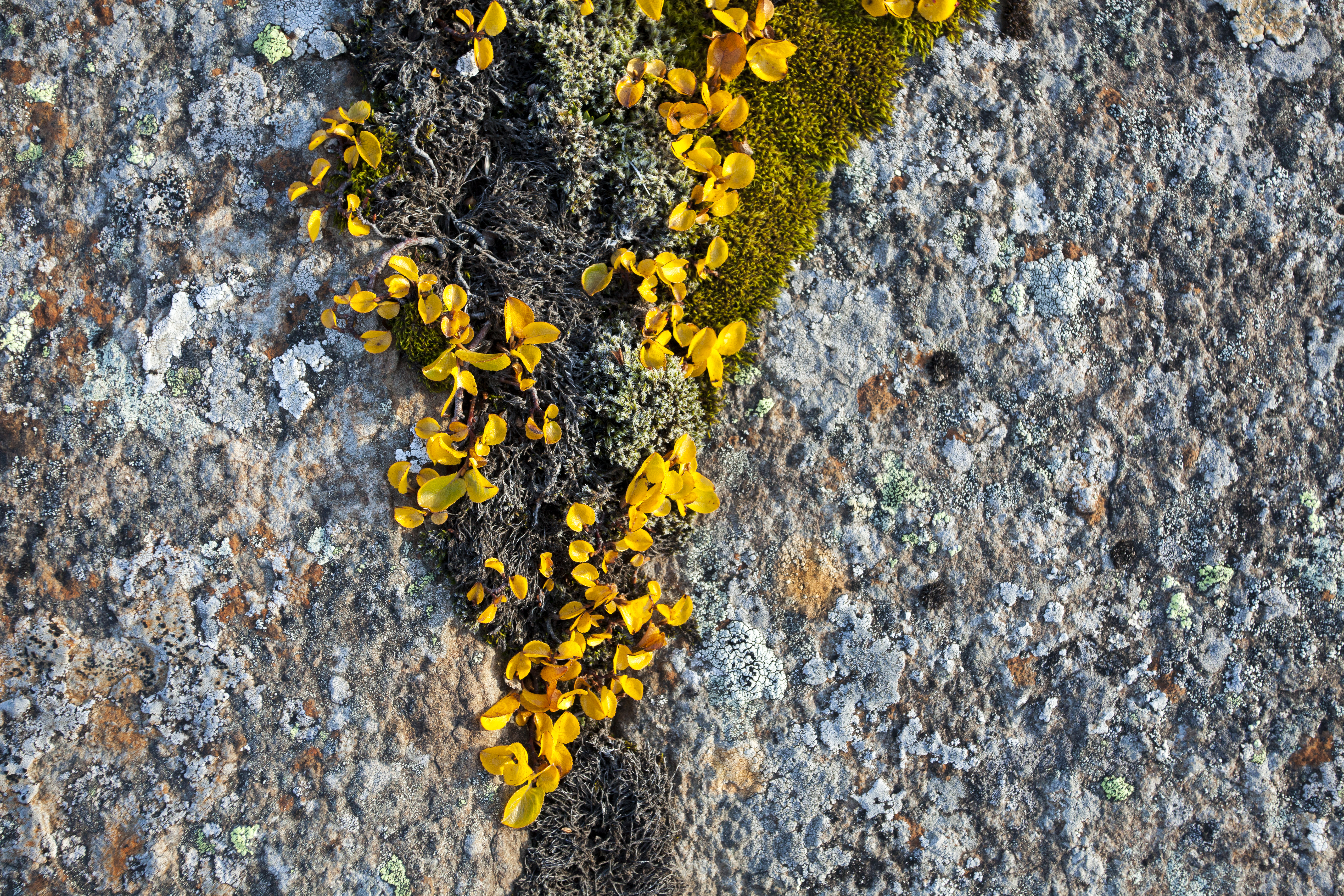
Birch and willow trees in the valleys near Egilsstaðir turn yellow, orange, and gold in September and early October. This burst sets the East Fjords apart from the rest of Iceland's autumn landscape.
More Time in Golden Light
Photographers chase golden hour for a reason. It is the short time after sunrise or before sunset, when light turns soft and warm. In autumn, the lower sun creates longer stretches of softer, directional light throughout the day. This gives more opportunities to work with that warm look.
Northern Lights Before Winter
Picture a green light moving across a dark sky, with the black outline of a fjord below it. Sometimes the color turns purple or pink, then fades away. You may see the northern lights starting in September, when the sky is dark and clear.
The aurora above and the color below are a mix that winter takes away once the leaves fall. Winter aurora shots often show bare, snow covered ground, and roads can ice over and close without warning. Autumn can be easier for travel than winter, but snow and ice are still possible.
Quieter Roads and Viewpoints
Popular stops can be busy in summer, but they are usually quieter after August. Tour buses and cruise stops thin out fast after August, so by October, those same spots often sit empty.
Fewer people mean more time to set up a shot without someone walking into frame. Small fishing villages along the fjords quiet down too. Streets and harbors look the way they actually do, not the way they look with a crowd.
Where Should You Point Your Camera First?
You don't have to travel far in the East Fjords to find a completely new landscape. The region has plenty of photography spots that offer something different to capture. The route below takes you between these locations in a practical order. It runs from coastal towns to the forest and back across several days.
1. Seyðisfjörður: Rainbow Street and the Blue Church
Seyðisfjörður is a small town at the end of a long, narrow fjord. Steep mountains ring it and often hold the season's first snow. The best view of the fjord comes from the road above town. Mountains and rooftops line up in one frame from there.
From there, the best shot in town is just a short walk away. Rainbow Street leads straight up to the town's Blue Church, framed by colorful wooden houses on either side. Early morning light works especially well here for engagement portraits.
2. Stokksnes and Vestrahorn: Black Sand and Jagged Peaks
If you are coming from South Iceland, you can stop at Stokksnes and Vestrahorn before entering the East Fjords. The site sits about 15 km (9 miles) east of Höfn, a 15- to 20-minute detour off the Ring Road.
Visitors find a black sand beach beneath Vestrahorn's jagged peaks, often mirrored in the wet sand at low tide. Stokksnes is outside the East Fjords, but it is a useful stop if you are coming from the south.
3. Borgarfjörður Eystri: Rhyolite Slopes and Quiet Cliffs
This remote fjord holds some of the region's most dramatic peaks, including the rhyolite slopes of Mount Dyrfjöll. Autumn light sharpens the rock here, picking up color and texture that summer's flatter light tends to miss. The puffins usually leave Hafnarhólmi by mid-August. You may still see other birds, but this can vary.
4. Hallormsstaðaskógur and Lagarfljót: Gold Forest and Still Water
Hallormsstaðaskógur is widely considered Iceland's largest forest. Its trees can turn bright gold in September and early October. Lake Lagarfljót borders the forest and often holds a still, mirror like surface at dawn.
The lake carries rich folklore, said to be home to Iceland's own lake worm, the Lagarfljótsormur. Soft, filtered light through the trees makes this a strong spot for couples' portraits. The story adds a natural backdrop for the shots.
5. The Coastal Route: Fjords and Basalt Cliffs
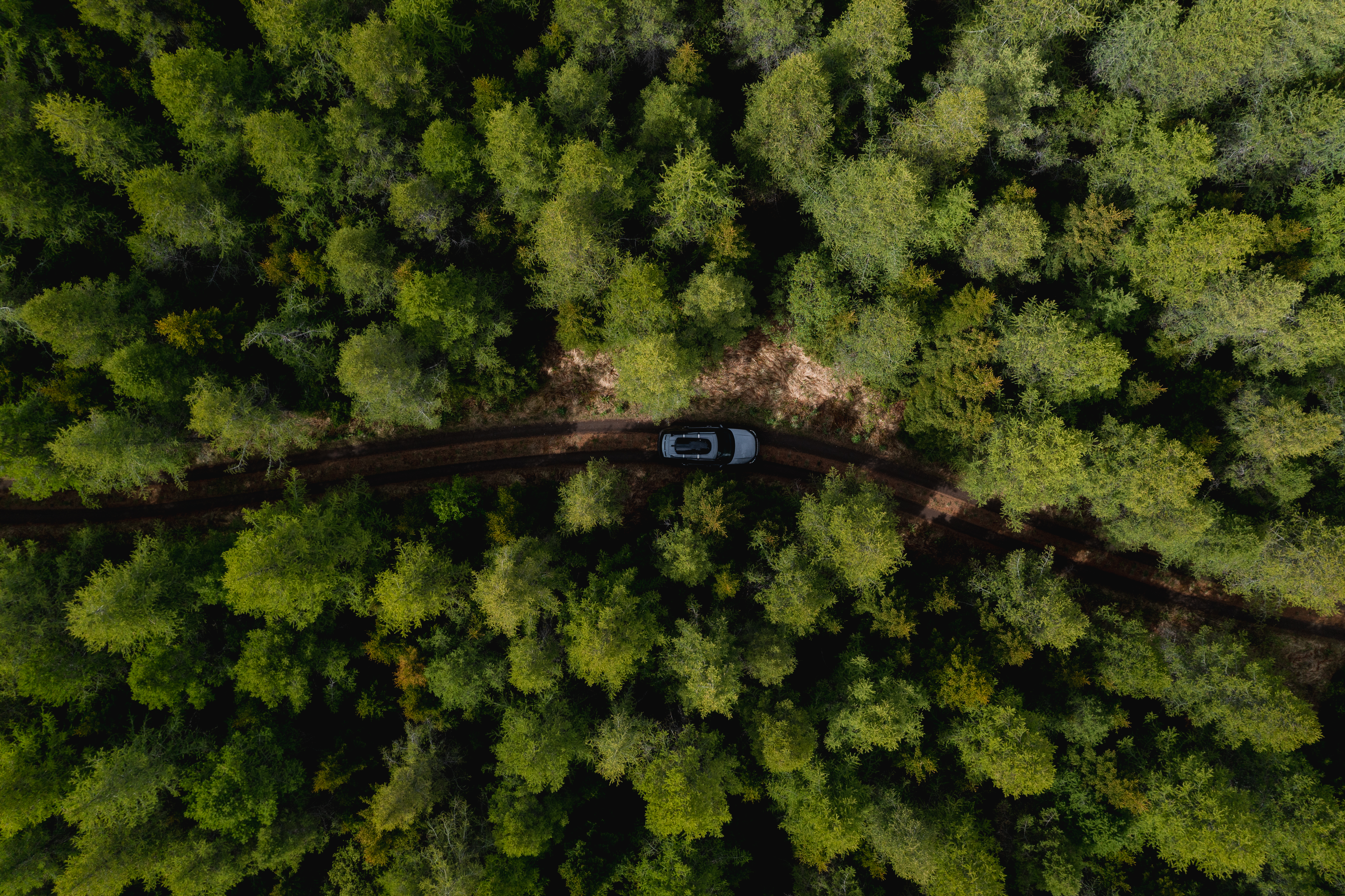
Route 1 hugs the coast through Berufjörður, framed by the pyramid shaped Mount Búlandstindur. Pull offs along the way offer wide views of water, cliffs, and narrow fjords.
A gravel mountain road leads to Mjóifjörður. Route 953 usually closes by October and stays shut until spring. Check road conditions before you go.
These stretches stay empty enough to shoot without anyone else walking into frame. One turn shows fishing boats resting against Búlandstindur, the next opens onto mountain ridges lined up behind low fog.
What Does Autumn Actually Change in the Frame
The East Fjords offer a wide range of subjects once the autumn colors set in. Each location along the route brings something different to frame.
- Gold Birch Trees Backlit by Low Sun: Birch groves around Hallormsstaðaskógur and Egilsstaðir turn deep gold by late September. Light filtering through the canopy works well for both wide shots and close detail.
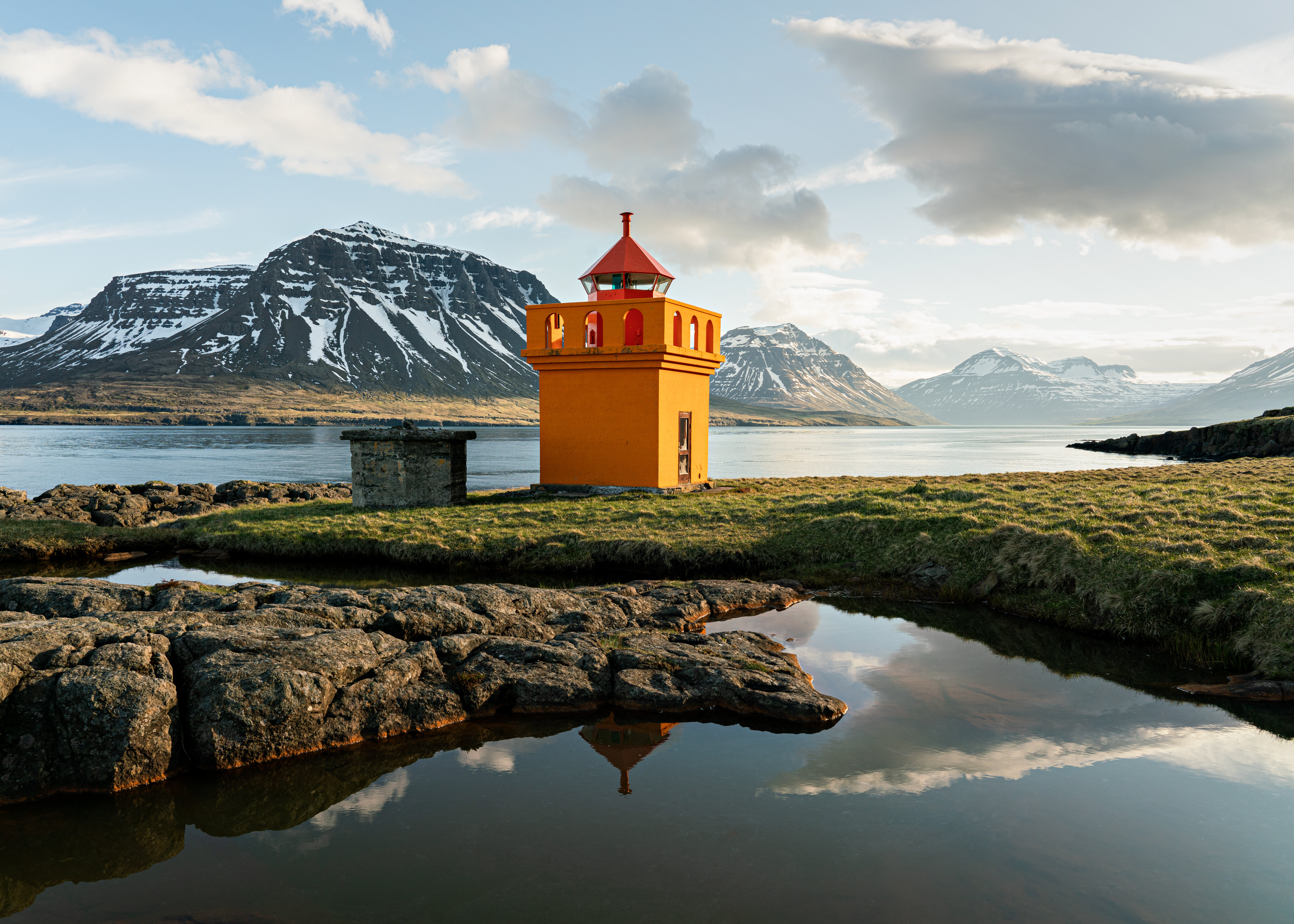
- Mountains Mirrored in Still Water: Calm mornings leave lakes and fjords still. Vestrahorn and the hills around Seyðisfjörður often mirror clearly under these conditions.
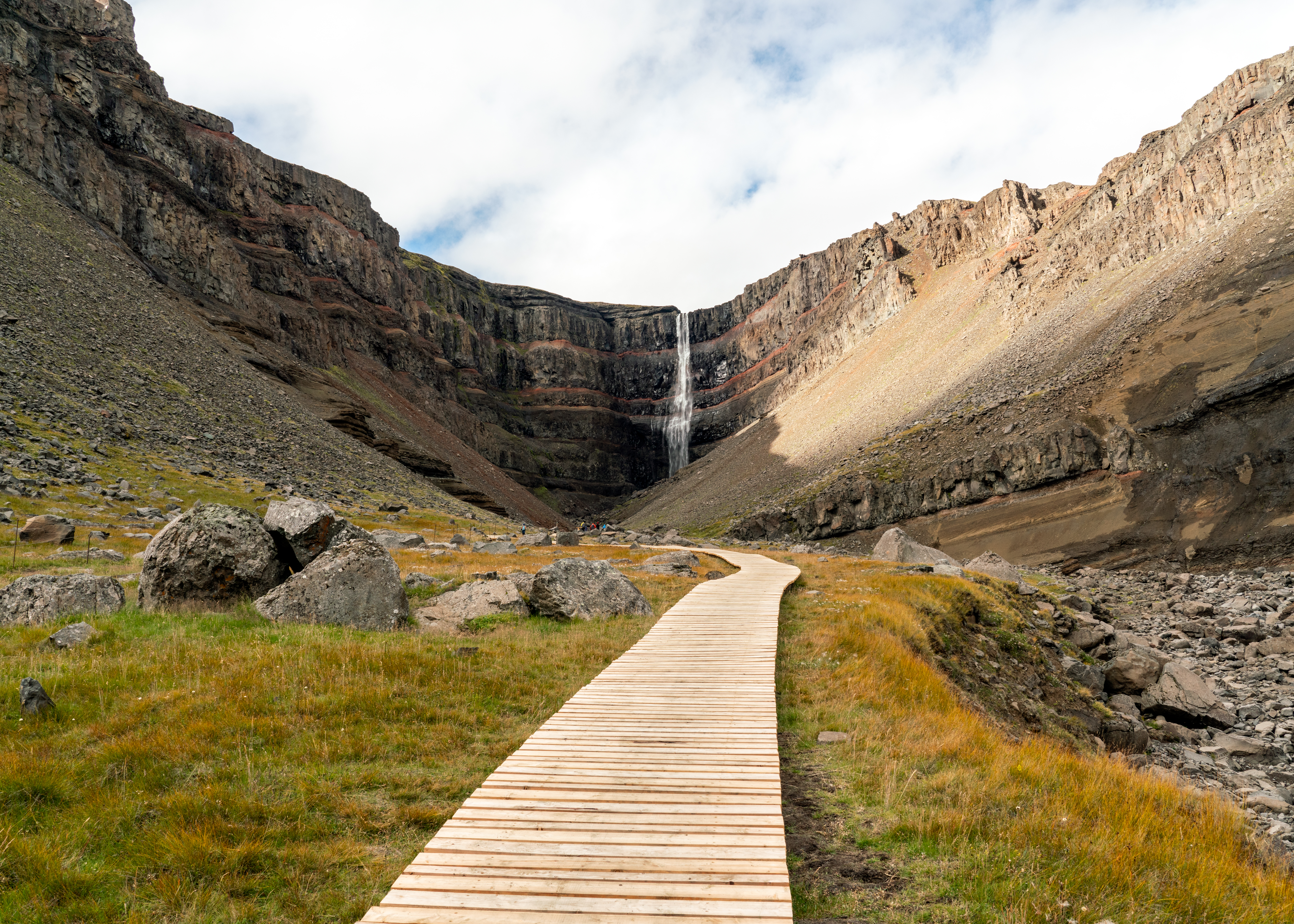
- Waterfalls Swollen by Autumn Rain: Rivers running through the fjords pick up extra flow after autumn rain. Slower shutter speeds capture the motion of water against the surrounding rock.
- Reindeer and Seabirds in Open Country: You may see wild reindeer in lower valleys later in autumn, but sightings are not certain. Seabirds remain active around the cliffs at Borgarfjörður Eystri.
- Northern Lights over Fjord Silhouettes: Clear nights in September and October bring early aurora activity. Shooting near a fjord or mountain adds scale and context to the display.
- People Against Autumn Backdrops: The East Fjords also make a striking setting for portraits and travel photos. Golden trees, dramatic mountains, quiet fjords, and waterfalls can turn even simple shots of people into memorable images that capture both the person and the landscape.
Match the Location to the Shot You Want
If you're looking for a certain kind of shot, the location matters as much as the light. Seyðisfjörður's streets and the forest paths near Lagarfljót suit close, personal shots. Open fjords and mountain viewpoints suit wide shots instead. For landscapes, wait for calm water or a break in the clouds rather than shooting every stop the same way.
A cloudy morning that hides the mountains still works for close shots in Seyðisfjörður. Save a clear evening for a wide fjord shot or an aurora session instead.
Before You Head Out With Your Camera
In the East Fjords, the weather can change before you have time to put your camera away. A little planning helps you make the most of the light and stay comfortable. It also helps you avoid missing a shot when conditions shift.
- Best light: Shoot within an hour of sunrise or sunset. Sunrise and sunset often give warm light. Cloudy weather can also be good for photos during the day.
- Weather and daylight: Autumn temperatures often range from 29°F to 50°F (−2°C to 10°C). Lows can dip below freezing by October. Daylight drops from 14 hours in September to 8 hours by late October. Pack layers and a waterproof cover for your gear.
- Camera gear: Bring a sturdy tripod and a wide angle lens. Pack spare batteries, since cold weather drains them fast.
Give Yourself Time to Stop Along the Way
Egilsstaðir, East Iceland's largest town, works well as a home base. It is centrally located relative to most places and offers a range of accommodation options in Austurland. A short, well-timed road trip can cover most of the region's key spots without feeling rushed.
Three days give you a good start, but you may need more time because of the weather and long drives. Day one stays around the town and coastline, with Seyðisfjörður, Rainbow Street, and the Blue Church. Day two moves inland to the forest and lake, taking in Hallormsstaðaskógur and Lagarfljót.
On day three, follow Route 94 to Borgarfjörður Eystri. Stop for mountain and coastal views before returning to Egilsstaðir. Add a flexible fourth day if weather delays a shoot or an aurora forecast looks promising. Few road trip plans in Iceland leave that kind of buffer, but the East Fjords reward it.
Is Autumn the Right Time to Photograph the East Fjords?
The East Fjords region of Iceland remains one of the country's most overlooked destinations for autumn photography. Golden forests, quiet roads, and dramatic light come together here with far fewer crowds than the south coast. For photographers willing to travel beyond Iceland's usual tourist destinations, Austurland offers many subjects to photograph. A season's worth of subjects waits within a few short weeks.

What are the East Fjords in Iceland?
The East Fjords are a chain of narrow fjords and coastal communities in East Iceland. The region is also rich in folklore, including tales of the Lagarfljót worm.
Are the East Fjords worth visiting?
Yes. The region offers dramatic landscapes, basalt columns, and authentic fishing villages, with excellent opportunities for photography and hiking trails.
When do the autumn colors peak in the East Fjords?
The best autumn colors often appear in late September, but the timing changes each year.
How many days should you spend photographing the East Fjords?
Three to four days give you time to visit several main places, but bad weather may slow you down. Add a flexible extra day for weather delays or aurora chances.
Do you need a guide to photograph the East Fjords in autumn?
You can visit many places without a guide, but the weather may make some roads hard to use. Always check road conditions.
Can you see puffins in the East Fjords during the autumn photography season?
No, most Iceland’s puffins leave Borgarfjörður Eystri by mid August. Other seabird species, including fulmars and kittiwakes, remain active around the cliffs.