
East Iceland Autumn Traditions Locals Love

Autumn is a special time of year in Austurland. The landscape takes on warmer colors, and locals enjoy the last of the milder days before winter arrives. It's also a time for familiar traditions, many of which have been passed down through generations.
Wondering how to experience East Iceland in autumn? East Icelanders share eight of their favorite seasonal rituals. From outdoor adventures to everyday comforts, here's how you can enjoy the season like a true local.
1. Berry and Mushroom Picking
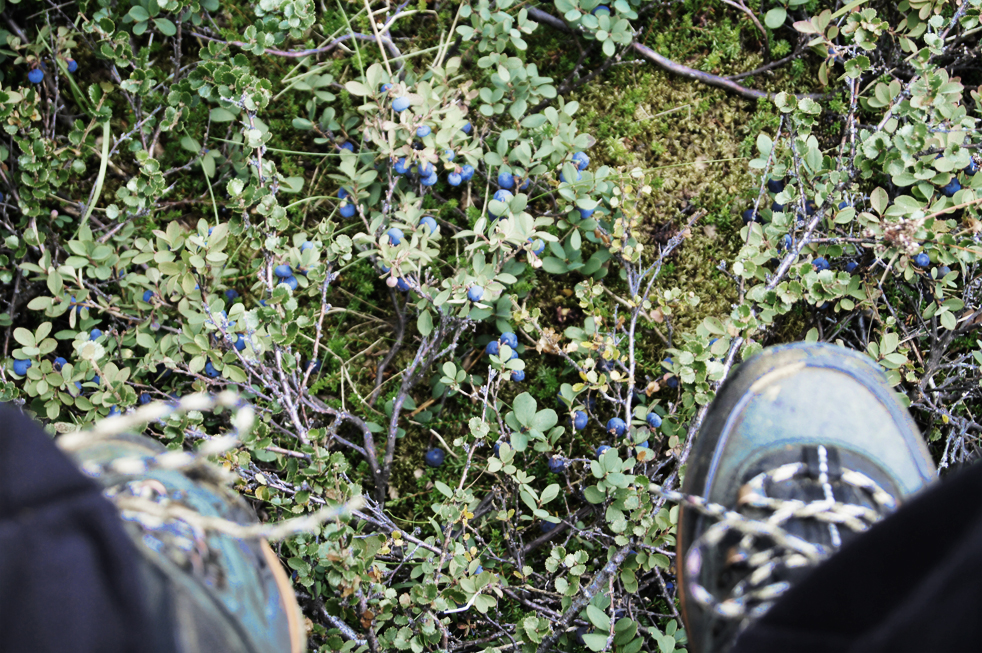
For many East Icelanders, autumn wouldn't be complete without berjamó, the Icelandic tradition of berry picking. Families head into the countryside to fill their buckets with wild berries, often turning their harvest into homemade jams and desserts.
Crowberries are the most common, but you can also find sweet, dark-blue bilberries and the occasional tart lingonberry. The forests around Egilsstaðir, Seyðisfjörður, and Hallormsstaðaskógur are good places to look. Autumn is also a great time for mushroom picking, especially in wooded areas.
Want to give it a try? Berry picking is generally allowed on public land, but you need permission on private property. Avoid foraging near farms or in protected areas without checking local rules. Pick only what you need, and avoid stepping on fragile moss. For mushrooms, only collect varieties you can confidently identify as edible.
You can also enjoy the autumn harvest at local bakeries and cafés in Austurland. Look for seasonal berry-filled pastries, homemade cakes, or berries served with skyr, a traditional Icelandic dairy product.
2. Sheep Round Ups (Réttir)
September is an exciting time for farming communities in East Iceland as the traditional sheep roundups, or réttir, begin. Farmers head into the mountains on horseback or ATVs to gather sheep that have spent the summer in Austurland grazing freely. This first stage, called göngur, can take several days.
Once the sheep return, they're brought into special sorting pens. Farmers identify their livestock by their ear markings and guide them into separate sections for each farm.
The hard work often ends with réttarball, a lively celebration with food, music, and dancing. It's a much-loved tradition that brings families and neighbors together.
Visitors can sometimes watch the roundups or join the celebrations. If you're visiting Iceland in September, ask locally about events such as those at Melarétt in Fljótsdalur, and follow the organizers' guidance.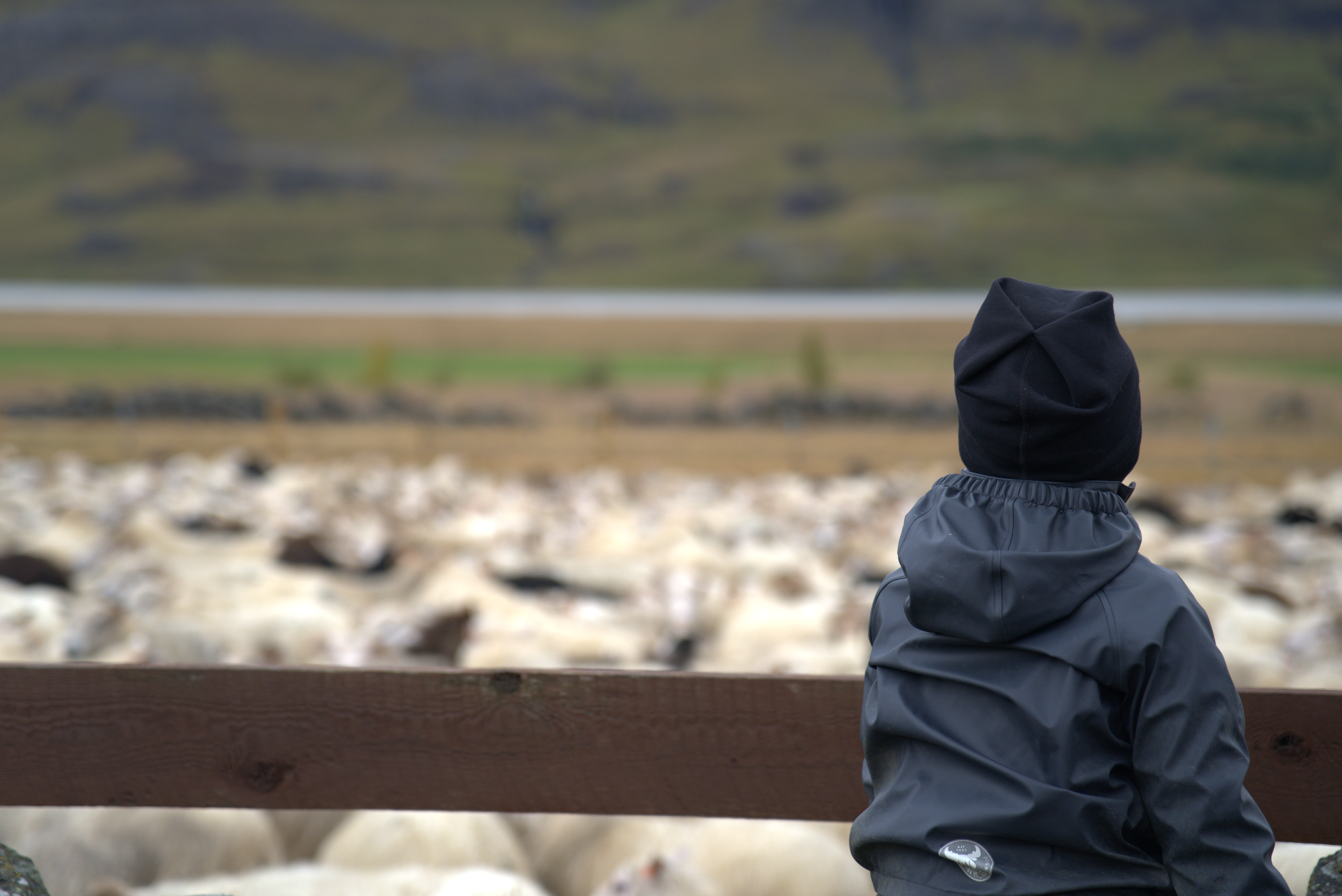
Photographer: Sigrún Júnía
3. Hiking Among the Autumn Colors
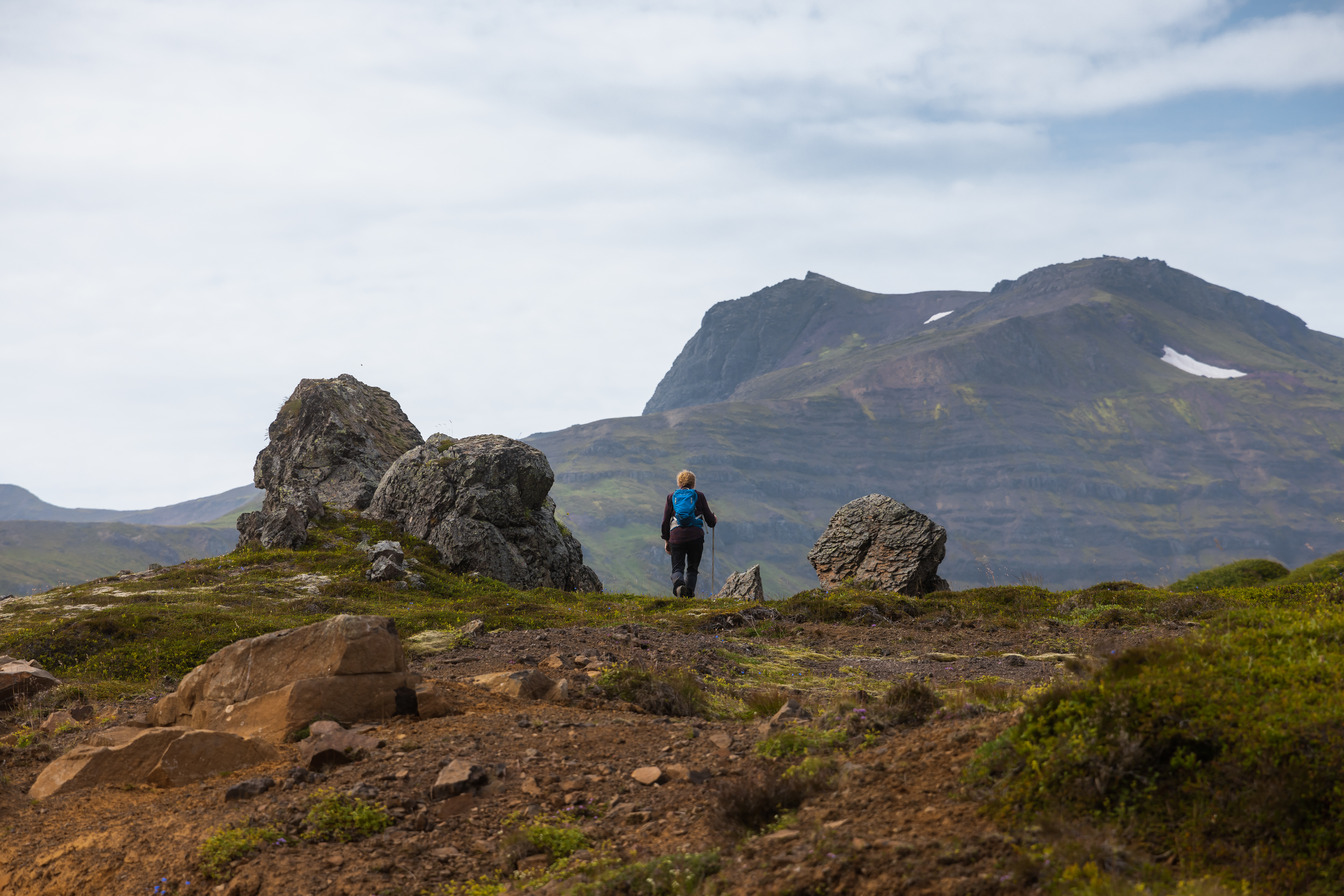
Fall doesn't last long in East Iceland, so locals make the most of the colorful landscapes while they can. Birch trees turn golden, and hillsides take on warm shades of red and orange. On clear, crisp autumn days, locals head out to enjoy the changing colors.
Some of the best hikes in East Iceland in autumn include:
- Hallormsstaðaskógur: Enjoy peaceful woodland walks through Iceland's largest forest, with trails of varying lengths
- Hengifoss Waterfall: Hike past Litlanesfoss and its basalt columns to reach one of East Iceland's most impressive waterfalls
- Stuðlagil Canyon: Follow the walking trail to see the canyon's towering basalt columns, surrounded by colorful autumn vegetation
For more adventurous hikers, Stórurð and Stapavík are also worth exploring when trail and weather conditions allow.
Autumn weather can change quickly, especially in the mountains. Check conditions before heading out, and remember that shorter walks can be just as rewarding.
Photographer: Þráinn Kolbeinsson
4. Reindeer Spotting
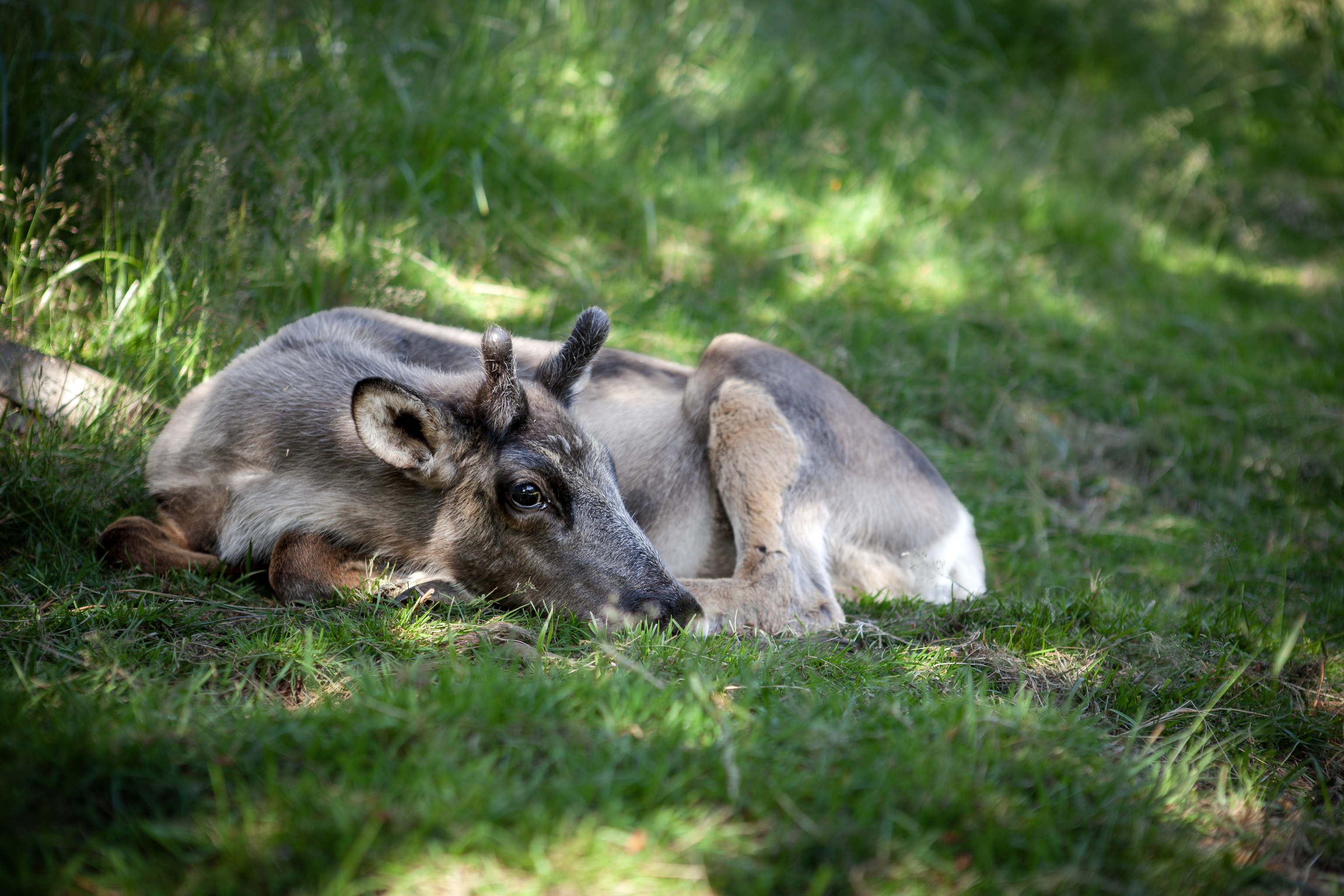
East Iceland is the only region in Iceland with an established wild reindeer population. For locals, spotting these animals is a familiar but always special experience.
Reindeer in Austurland spend much of the summer in the Icelandic Highlands. As temperatures drop and conditions change, herds move toward lower elevations. During autumn, you might spot reindeer grazing on open hillsides or moving across valleys. You may even see some near the Ring Road, especially later in the colder season.
For a better chance of seeing them, consider a guided reindeer-spotting tour. You can also visit the Reindeer Park near Egilsstaðir, home to rescued reindeer.
Note: Wild sightings are never guaranteed. Always keep a respectful distance and pull over only where it's safe to stop.
Photographer: Esther Ösp Gunnarsdóttir
5. Embracing Cozy Season
As the days grow shorter, East Icelanders spend more time indoors, enjoying the warmth and comfort of home. It's the season for lighting candles, baking, knitting, and catching up over coffee.
Knitting is a popular pastime, especially when it's time to bring out the traditional Icelandic wool sweaters, or lopapeysur. If you'd like to try it yourself, look out for knitting workshops at Hallormsstaðaskóli.
You don't have to stay all day indoors to enjoy a little East Icelandic hygge, either. Stop by a local café for coffee and Icelandic treats like kleina (twisted doughnuts), snúður (cinnamon rolls), or hjónabandssæla (rhubarb jam cake). You might also find freshly baked rúgbrauð (traditional Icelandic rye bread) or vínarbrauð pastries.
After a day exploring East Iceland, enjoy a quiet evening with good food, warm waters, and a cosy place to relax.
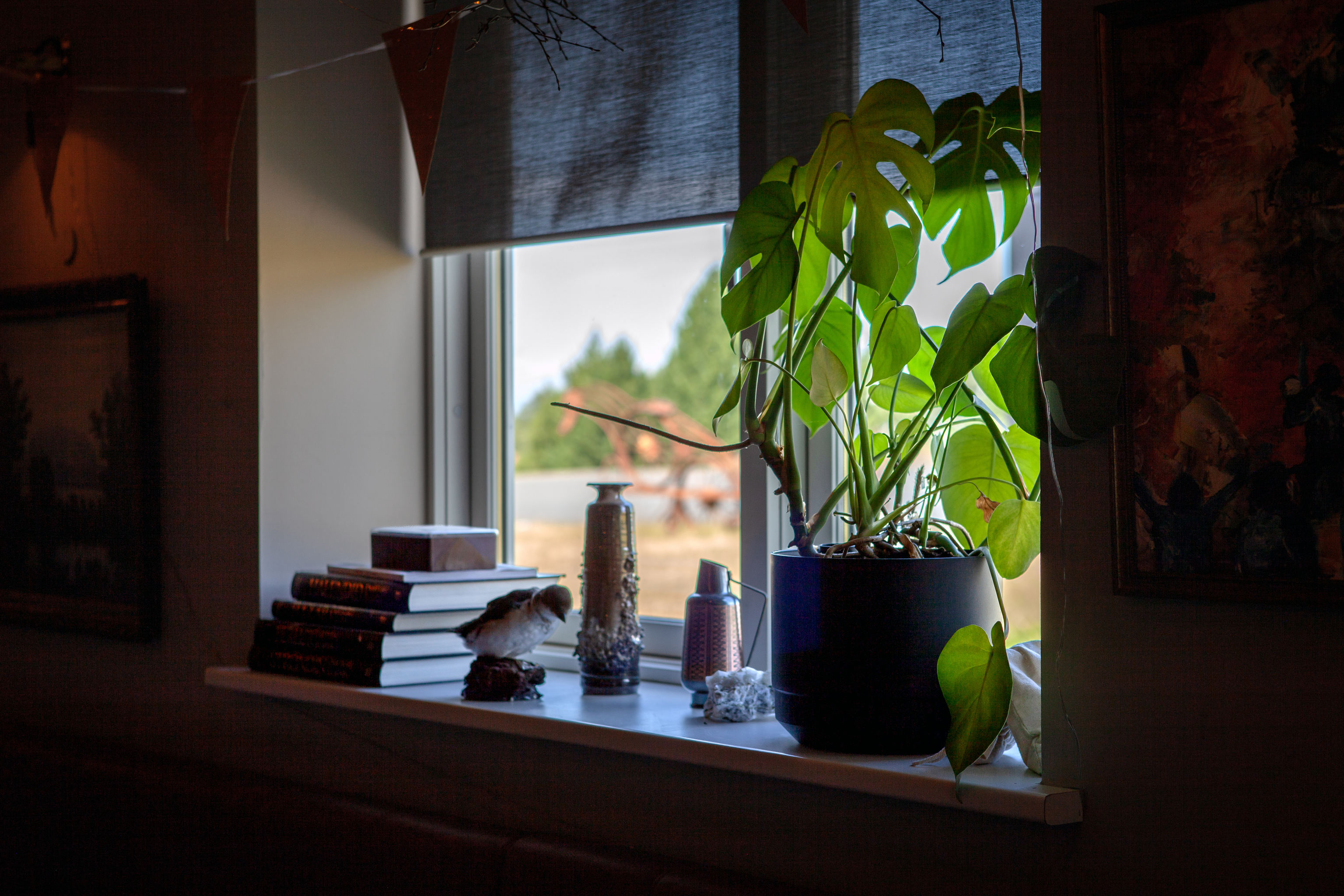
Photographer: Esther Ösp Gunnarsdóttir
6. Swimming and Geothermal Bathing
Swimming is part of everyday life in Iceland, whatever the season. As autumn temperatures drop, spending time in a warm pool becomes even more appealing.
You'll find public swimming pools across East Iceland, including in Egilsstaðir, Seyðisfjörður, and Eskifjörður. Many have hot tubs and saunas where locals gather to relax and catch up with friends.
For a longer soak, visit Vök Baths near Egilsstaðir. Its floating geothermal pools sit on Lake Urriðavatn, with views of the surrounding landscape.
Visiting in early September? You may also have time to explore Austurland’s natural hot springs at Laugarfell. It's locatedin the Highlands, so check road conditions before heading out.
Whether you're swimming a few laps or relaxing in a hot tub, it's an easy local tradition to enjoy during autumn.
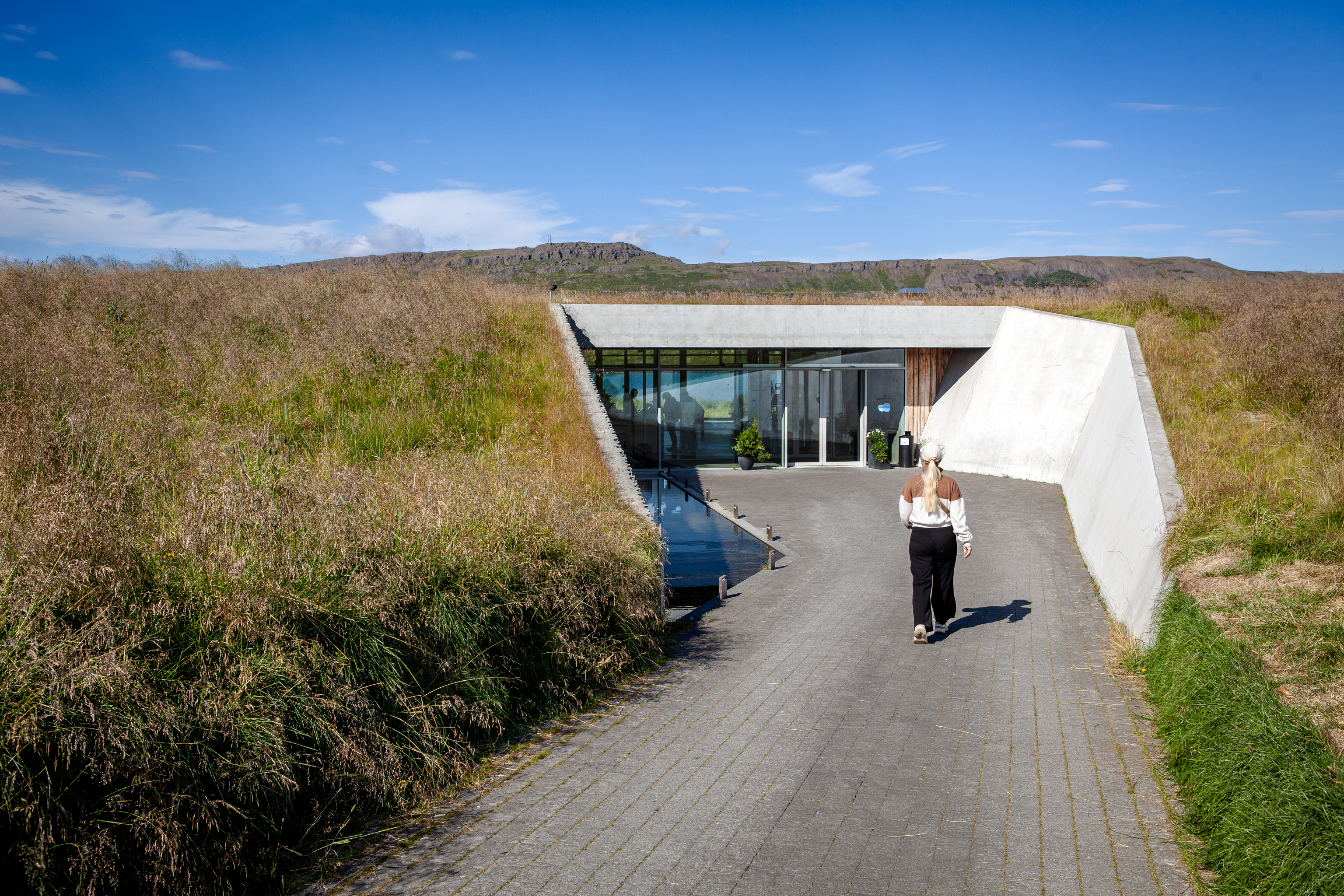
Photographer: Esther Ösp Gunnarsdóttir
7. Getting Ready for Winter
As autumn progresses, East Icelanders begin getting ready for the colder months ahead. People pull out warm jackets, wool sweaters, waterproof pants, and sturdy boots, and households prepare their homes for winter in Austurland.
Drivers also start preparing for snow and icy roads, including switching to winter tires when conditions require them. With the weather becoming less predictable, checking forecasts and road conditions in Austurland becomes part of the daily routine.
Visitors can follow the locals' example, especially when planning an autumn road trip in East Iceland. Check road.is and vedur.is before heading out, and keep your plans flexible in case conditions change. Being prepared means you can spend less time worrying about the weather and more time enjoying East Iceland in autumn.
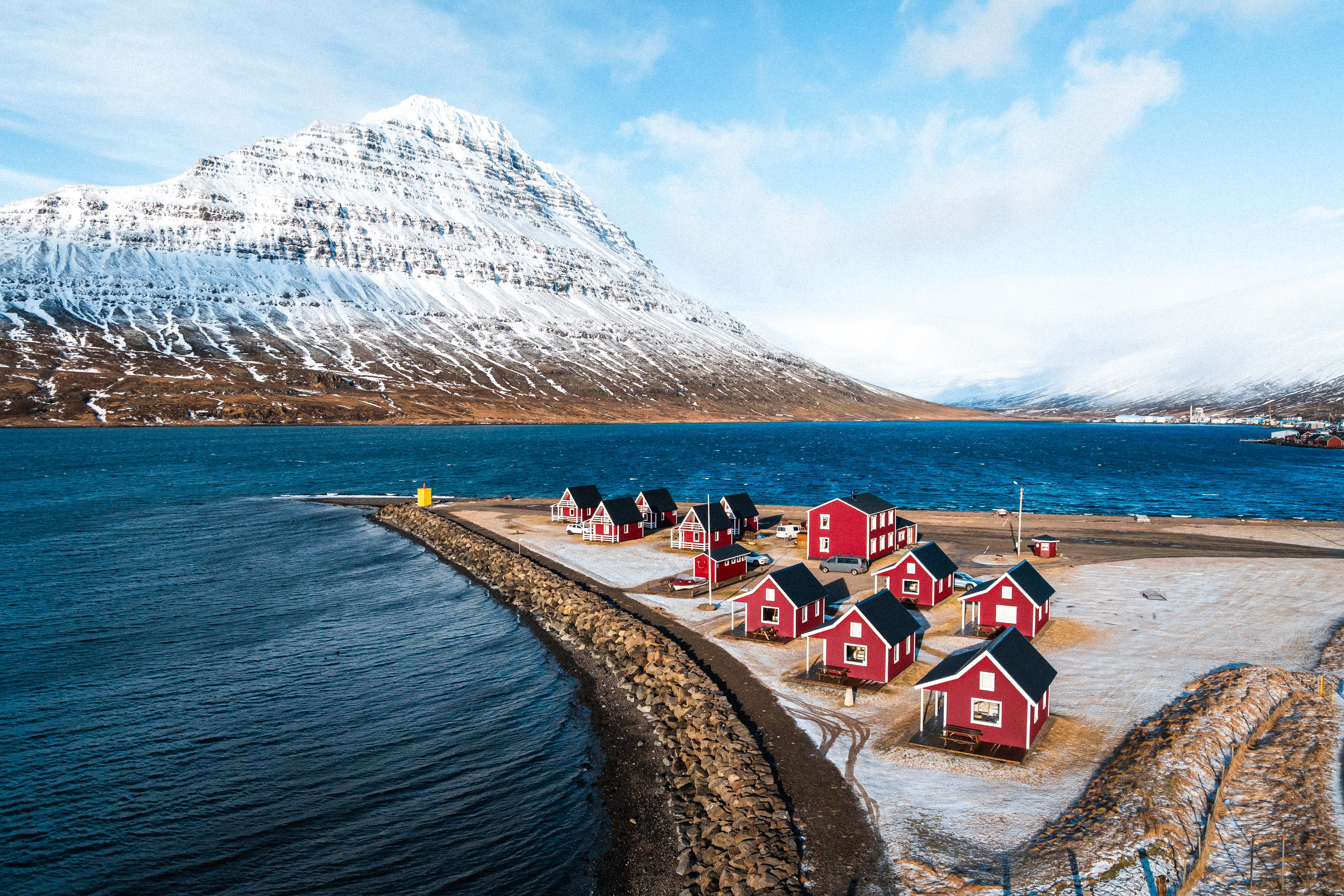
Photographer: Þráinn Kolbeinsson
8. Making the Most of Whatever Weather Comes
Perhaps the most distinctly East Icelandic autumn ritual is learning to work with the weather rather than against it.
A sunny morning might be perfect for berry picking, hiking, exploring waterfalls, or taking a scenic drive in Iceland’s East Fjords. If rain or strong winds arrive, locals simply adjust their plans. That could mean visiting museums in Austurland, stopping at a café, or relaxing in a geothermal pool instead.
The same goes for autumn evenings. When the clouds clear and the Northern Lights forecast looks promising, locals might head outside for a chance to see the aurora. As the nights grow darker, even an ordinary evening can turn into an opportunity to spot the Northern Lights in East Iceland.
For visitors, it's worth keeping a little flexibility in your plans. Some of the best autumn experiences in East Iceland come from working with the weather rather than sticking to a fixed schedule.
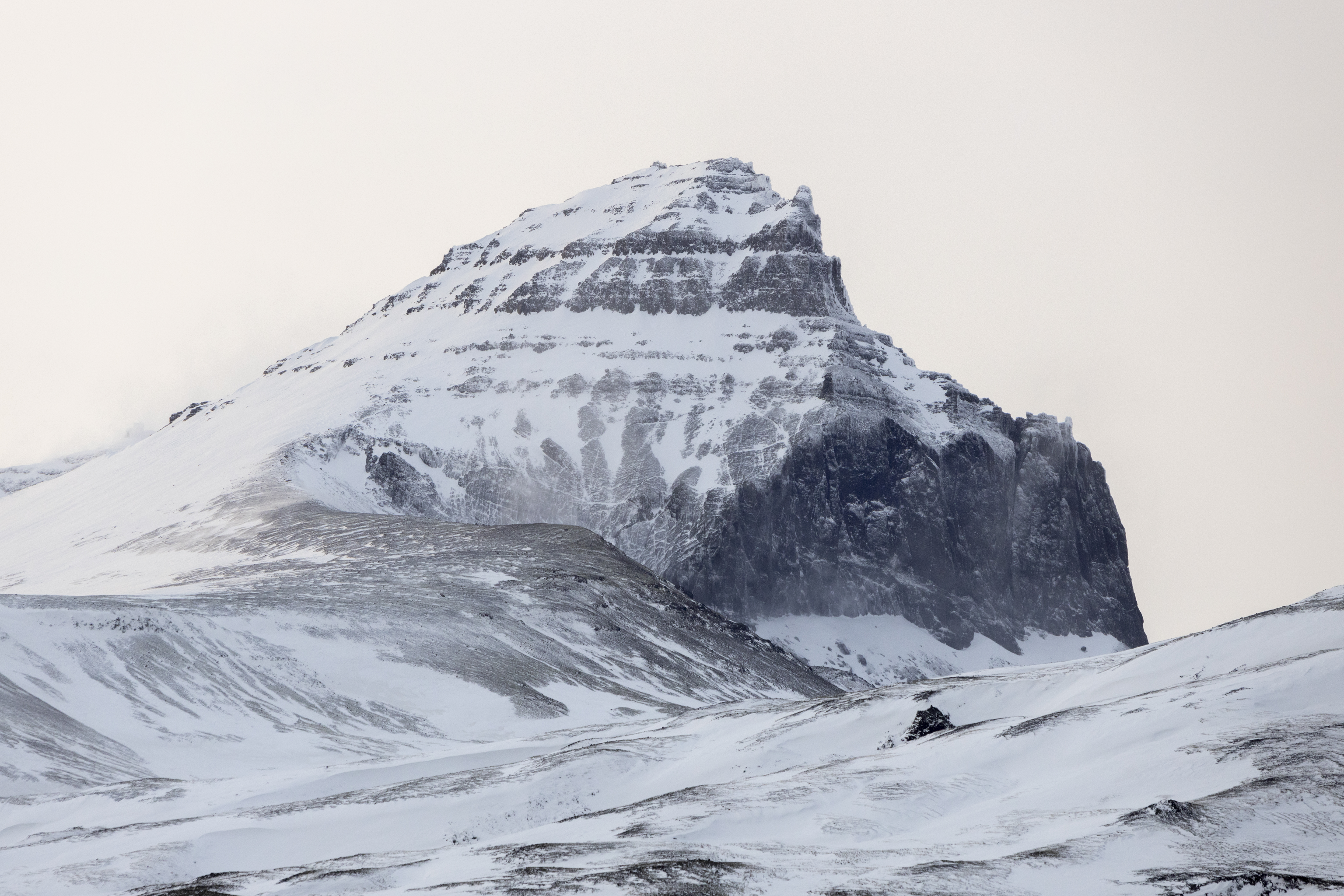
Photographer: Þráinn Kolbeinsson
Experience Autumn Like an East Icelander
Autumn in East Iceland may be short, but you can still enjoy plenty of things before winter arrives. From berry picking and colorful hikes to sheep roundups and cozy evenings, these local traditions offer a glimpse into everyday life in Austurland.
Whether you're visiting in September or later in the season, take your time, stay flexible, and enjoy Austurland at a slower pace. You might find that some of your favorite moments are the simplest ones.

What is the weather like in East Iceland in autumn?
Autumn weather in East Iceland can change quickly, with a mix of sunny days, rain, wind, and occasional snow. September is generally milder, while October brings colder conditions and shorter days.
Is East Iceland too cold to visit in autumn?
No, East Iceland is still enjoyable in autumn with the right clothing and preparation. Temperatures typically range from 37–50°F (3–10°C) in September and 32–45°F (0–7°C) in October, depending on location.
How should I dress for East Iceland in autumn?
Wear warm layers, a waterproof and windproof jacket, and sturdy footwear. Pack gloves, a hat, and wool socks, especially if you're planning outdoor activities.
Can you see the Northern Lights in East Iceland in October?
Yes, October brings long, dark nights, making it a good time to see the Northern Lights in East Iceland. However, sightings depend on clear skies and solar activity, so they're never guaranteed.
Is it better to visit East Iceland in October or November?
October in East Iceland generally offers more autumn colors and daylight, especially early in the month. November in East Iceland brings a more winterlike atmosphere, colder weather, and longer nights for potential aurora viewing.
What time does it get dark in East Iceland in October?
In Egilsstaðir, sunset is around 18:30 in early October and approximately 16:30 by the end of the month. Exact times vary by date and location, and surrounding mountains can block direct sunlight earlier.