
A Journey Through Hallormsstaðaskógur in East Iceland

A Journey Through Hallormsstaðaskógur in East Iceland
If you’re looking for a quiet place in nature, Hallormsstaðaskógur is a wonderful choice. It is Iceland’s first national forest, covering over 740 hectares in the Eastfjords. Established in 1905, it offers a mix of native and planted trees. Explore hiking trails while enjoying its natural beauty and seasonal changes.
Why Hallormsstaðaskógur is a Must-Visit in the Eastfjords
Hallormsstaðaskógur is special for its mix of forests, lakes, hills, and well-maintained trails. The forest has over 25 miles (40 kilometers) of marked trails that lead to quiet waterfalls, serene viewpoints, and nearby fjords.
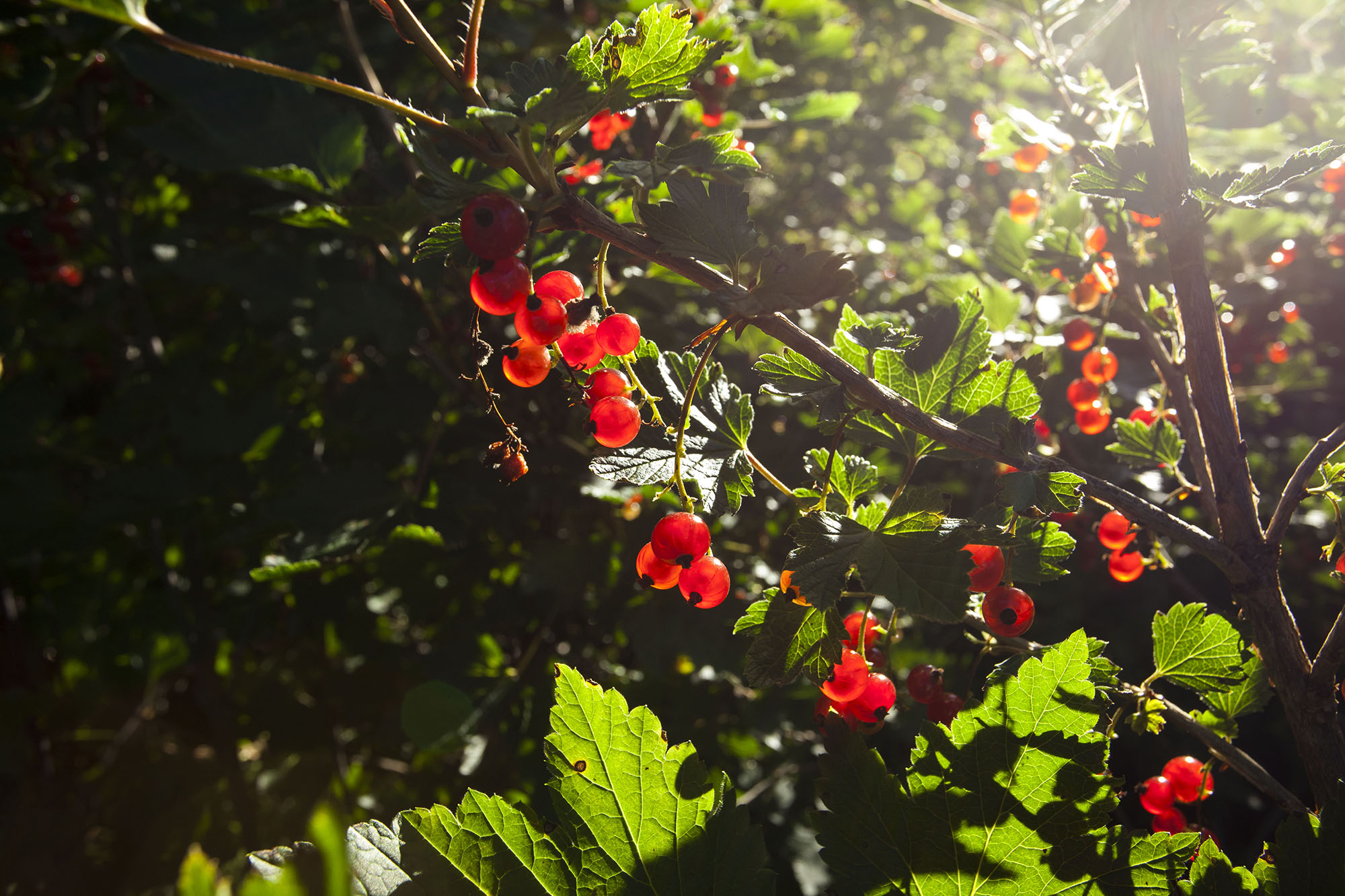
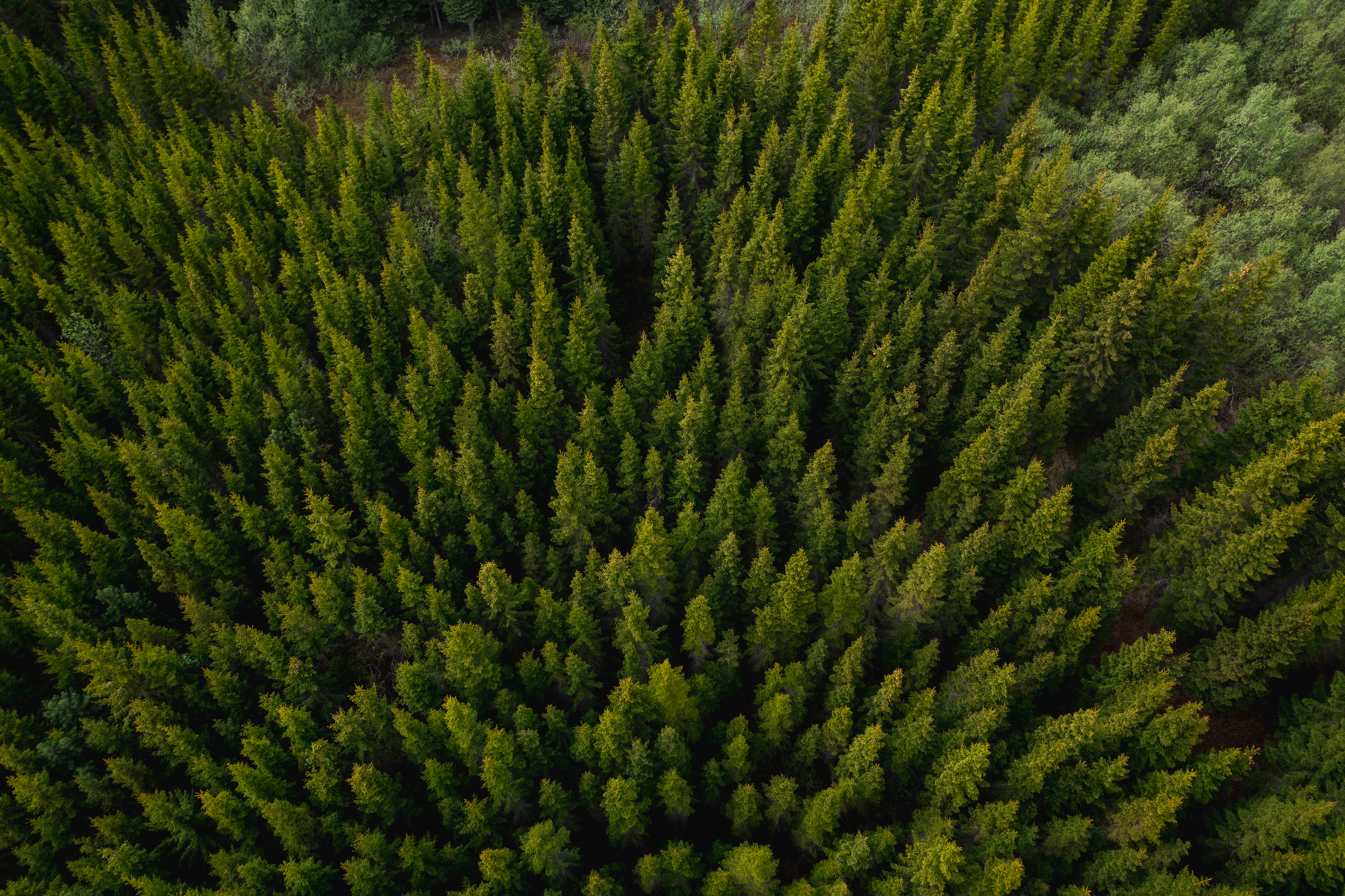
The forest has native trees such as birch and rowan mixed with planted spruce, pine, and larch. During summer, birds such as meadow pipits, redwings, and Eurasian wrens are easy to spot. By late summer and fall, you can enjoy picking wild raspberries, redcurrants, and mushrooms.
How to Reach Hallormsstaðaskógur Forest
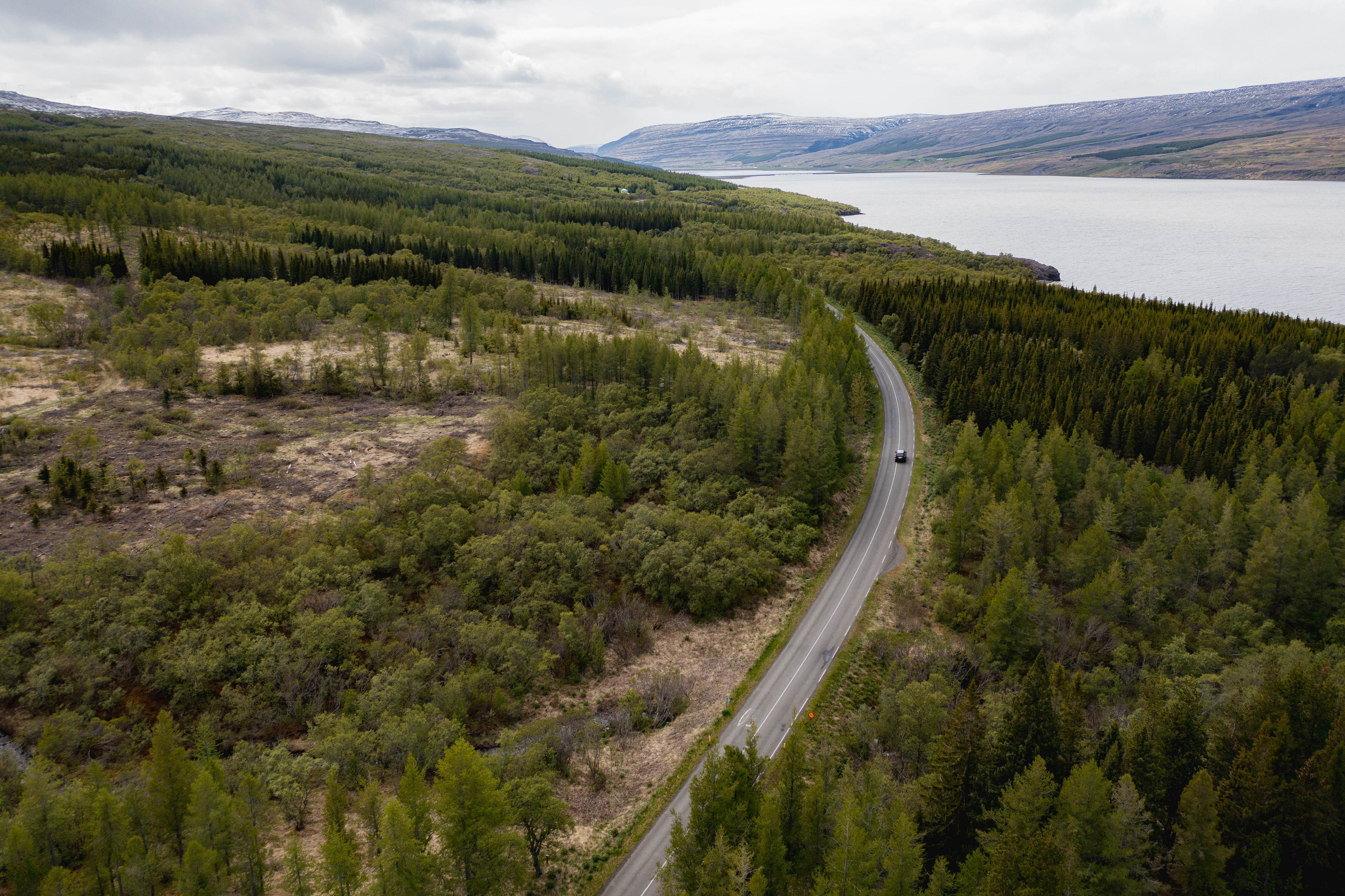
Hallormsstaðaskógur is a 25-minute drive east of Egilsstaðir, with a well-marked main entrance and mapped trails for first-time visitors. To reach the forest by car, take Ring Road 1 from Egilsstaðir, then turn onto Route 931, where parking is available at trailheads and the visitor center.
Roads are generally good, but winter snow or ice may require winter tires and extra caution. Alternatively, seasonal buses run a few times per week in summer, and guided tours from Egilsstaðir provide transport, maps, and trail tips.
The Best Hiking Trails in Hallormsstaðaskógur
Hallormsstaðaskógur offers trails for every skill level, from short, easy loops to longer forest walks. Walk along streams, small waterfalls, and quiet groves, and take time to rest or capture the beauty of East Iceland.
Ljósárfoss Waterfall Trail
Ljósárfoss is a quiet, scenic waterfall on the Ljósá River. The trail takes you through moss-covered rocks and a calm forest. Along the way, you'll pass colorful cliffs with unique shapes formed by the surrounding rocks.
- Trailhead: Near the main entrance/ Yellow Trail
- Distance: 1.1 miles (1.7 kilometers) round-trip
- Difficulty: Easy, suitable for families or couples
- Highlights: Seasonal wildflowers, birdlife, forest plots with larch trees from 1938
The Arboretum
The Arboretum in Hallormsstaðar has over 80 tree species from around the world, showing what can grow in Iceland. The trees were planted by researchers to test which ones thrive in Iceland’s cold climate. Some of the oldest Engelmann spruces were planted in 1905 and still stand near the entrance today. Hiking here is a fun way to explore nature and learn about the different trees that grow in Iceland.
Photographer: Gunnar Freyr Gunnarsson
When is the Best Time to Visit Hallormsstaðaskógur?
The best time to visit depends on what you want to see and do. Here’s a seasonal guide to help you plan.
Summer (June to August)
Summer brings long daylight hours and the warmest weather, making the forest at its greenest and most lively. Temperatures usually range from 57°F to 64°F (14°C to 18°C). You can experience the annual festival Skógardagurinn mikli (The Great Forest Day) each June, a lively event that draws visitors from near and far.
Autumn (September to October)
In autumn (September to October), the forest turns golden, and trails are quieter. The crisp air makes it perfect for hiking and peaceful walks, and it’s a great time for photography. Longer nights give the first chance to see the Northern Lights, adding a magical touch to the season.
Winter (November to February)
Winter turns Hallormsstaðaskógur into a quiet, snowy place. Visitors can walk through snow-covered forests and see the Northern Lights in the dark sky. Days are short, and temperatures are cold, from 23°F to 32°F (-5°C to 0°C). Be sure to wear warm clothes and use microspikes for icy trails.
Spring (March to May)
Spring is the season of new life. Fresh green shoots appear, and migratory birds return. Streams swell, early wildflowers bloom, and the air feels fresh. Trails can be wet or muddy as snow melts, so waterproof hiking boots are recommended.
Camping and Accommodation Options Near Hallormsstaðaskógur
You can stay near Hallormsstaðaskógur by camping, booking a guesthouse, hotel, or cabin. The forest has two main campsites, Atlavík and Höfðavík. They have toilets, hot and cold water, dishwashing areas, picnic tables, BBQ spots, showers, and sometimes laundry facilities.
These campsites operate from late May to late September and can accommodate tents, campervans, motorhomes, and small groups. Booking is recommended, especially in summer, and fees apply for overnight stays.
Nearby guesthouses in Hallormsstaður are close to the trails and great for short stays. Hotels and cabins in Egilsstaðir are better for longer visits. Cabins and holiday homes are fully equipped for a comfortable stay. They are great for families, couples, or small groups and give easy access to the forest trails for a more immersive experience.
Essential Tips for Your Visit to Hallormsstaðaskógur
Planning helps you make the most of your visit to Hallormsstaðaskógur. Use these tips to stay safe, enjoy the forest, and travel responsibly.
1. Plan and navigate
- Look at the weather on vedur.is and road conditions on road.is, especially outside summer.
- Download maps of the area to your phone beforehand or carry a physical trail map.
- Use the 112 Iceland app. It lets you check in with emergency services and send your location with a single tap if you need help.
2. Keep safe on the trail
- Stay on marked trails to protect both yourself and the fragile environment.
- Wear sturdy, waterproof footwear suitable for uneven paths.
- Carry a water bottle and a small first aid kit.
3. Gear up for comfort
- Dress in layers you can add or remove as the weather changes. A waterproof and windproof outer layer is essential.
- Bring binoculars for better birdwatching and wildlife observation.
- In summer, consider bringing a head net to protect against midges (mýflugur), which can be present near the lake on calm days.
4. Travel responsibly
- Practice "leave no trace": take all trash with you.
- Do not pick rare plants or disturb wildlife. Keep a respectful distance.
- Respect all trail signage and forest rules to preserve the area for future visitors.
Photographer: Gunnar Freyr Gunnarsson
FAQs About Hallormsstaðaskógur in East Iceland
Can you camp in Hallormsstaðaskógur forest?
Yes, you can camp at designated sites within Hallormsstaðaskógur, East Iceland’s largest forest. Booking in advance is recommended during the busy summer season.
Why is it called Hallormsstaðaskógur?
The forest takes its name from the nearby Hallormstaður farm. In Icelandic, “skógur” means forest, so Hallormsstaðaskógur literally means “Hallormstaður Forest.”
What is the village in Hallormsstaðaskógur?
The nearby village of Hallormsstaður has places to stay, basic services, and easy access to the forest’s popular hiking trails.
What is the largest forest in Iceland?
Hallormsstaðaskógur is the largest national forest in Iceland, covering over 740 hectares.
When should I visit Hallormsstaðaskógur?
The best time to visit is summer, from June to August, for warm weather and hiking. Autumn, from September to October, is also a good time for golden leaves and fewer crowds.