
Mjóifjörður Travel Guide: A Remote Fjord in Austurland

Tucked away between steep mountains on the coast of Austurland (East Iceland), Mjóifjörður is one of the region’s most secluded and beautiful fjords. Home to a tiny community of just around 10–15 people, it is one of the unique places waiting to be discovered along The Fjord Way, a journey through the fjords and coastal landscapes of Austurland. Surrounded by cascading waterfalls, rugged mountains, open sea and wide, peaceful landscapes, Mjóifjörður offers a chance to experience a quieter and more untouched side of Austurland.
Although it feels far removed from the rest of Iceland, Mjóifjörður is only a short detour from Route 1. Once you leave the Ring Road and begin winding your way down the mountain road, the journey becomes part of the experience, with waterfalls tumbling down the mountainsides, dramatic views opening across the fjord and the sea stretching out towards the horizon.
There is plenty to discover along the way, from scenic viewpoints and historic sites to hiking, local stories and the small community at the heart of the fjord. For travellers exploring the Eastfjords of Iceland, Mjóifjörður is a place to slow down, take the scenic route and enjoy the feeling of discovering somewhere truly special. Whether you visit for a few hours or stay longer, Mjóifjörður offers a memorable glimpse into the landscapes, history and quiet charm of Austurland.
The ideas in this guide are intended as inspiration for travelling from spring through autumn, roughly from late April to early October. Conditions in Iceland can change quickly, and road access and travel conditions may vary with the weather and season. Opening times and availability for accommodation, restaurants, museums, activities and other services can also vary throughout the year, particularly outside the main summer season. Always check current road conditions before setting out, and check opening times and availability directly with individual businesses and attractions before you visit.
Getting to Mjóifjörður
Mjóifjörður is reached by a gravel mountain road that branches off the main road between Reyðarfjörður and Egilsstaðir. The journey into the fjord is part of the experience, with dramatic views appearing almost immediately as you descend towards the coast.
The road follows the shoreline through a landscape shaped by steep mountains, waterfalls and the sea. There are plenty of places to stop along the way, so allow more time than you might expect for the drive.
Mjóifjörður is particularly suited to travellers who enjoy scenic drives and getting away from the busier routes. It may only be a detour, but it can easily become one of the highlights of your journey through Austurland.
Always check current road and weather conditions before travelling to Mjóifjörður.
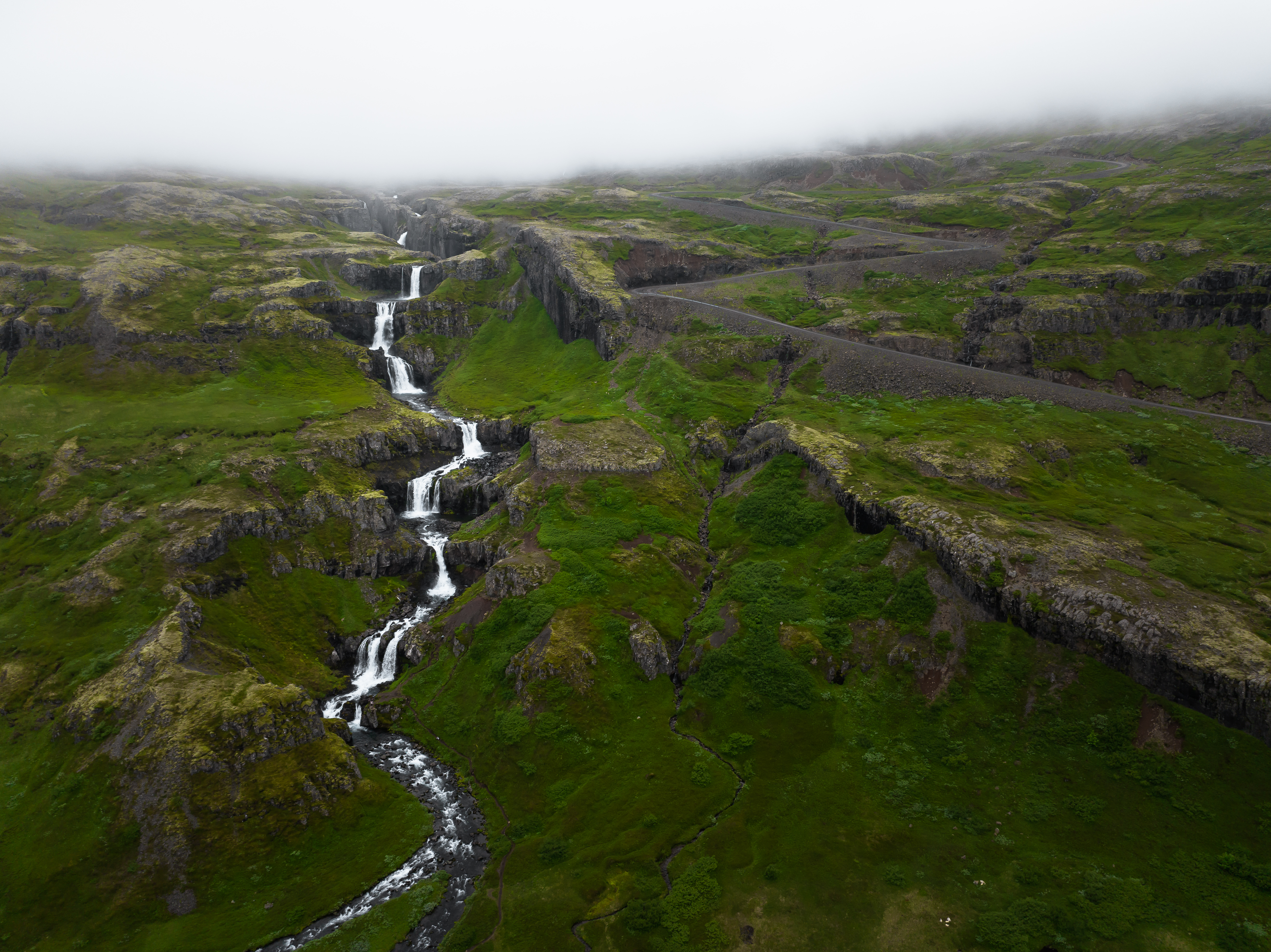
Photographer: Þráinn Kolbeinsson
Things to See and Do in Mjóifjörður
There is no need to fill your day with a long list of attractions in Mjóifjörður. Much of the appeal is simply being here. Take your time, stop along the road, walk by the sea and explore the landscape around you.
1. Klifbrekkufossar Waterfalls
One of the first major stops as you enter Mjóifjörður is Klifbrekkufossar, a beautiful series of waterfalls cascading down the mountainside.
The waterfalls are particularly striking because of their setting. Several cascades follow the steep mountainside, surrounded by the dramatic landscape of the fjord. It is a perfect place to stop, take in the scale of the surroundings and enjoy one of the characteristic sights of Mjóifjörður.
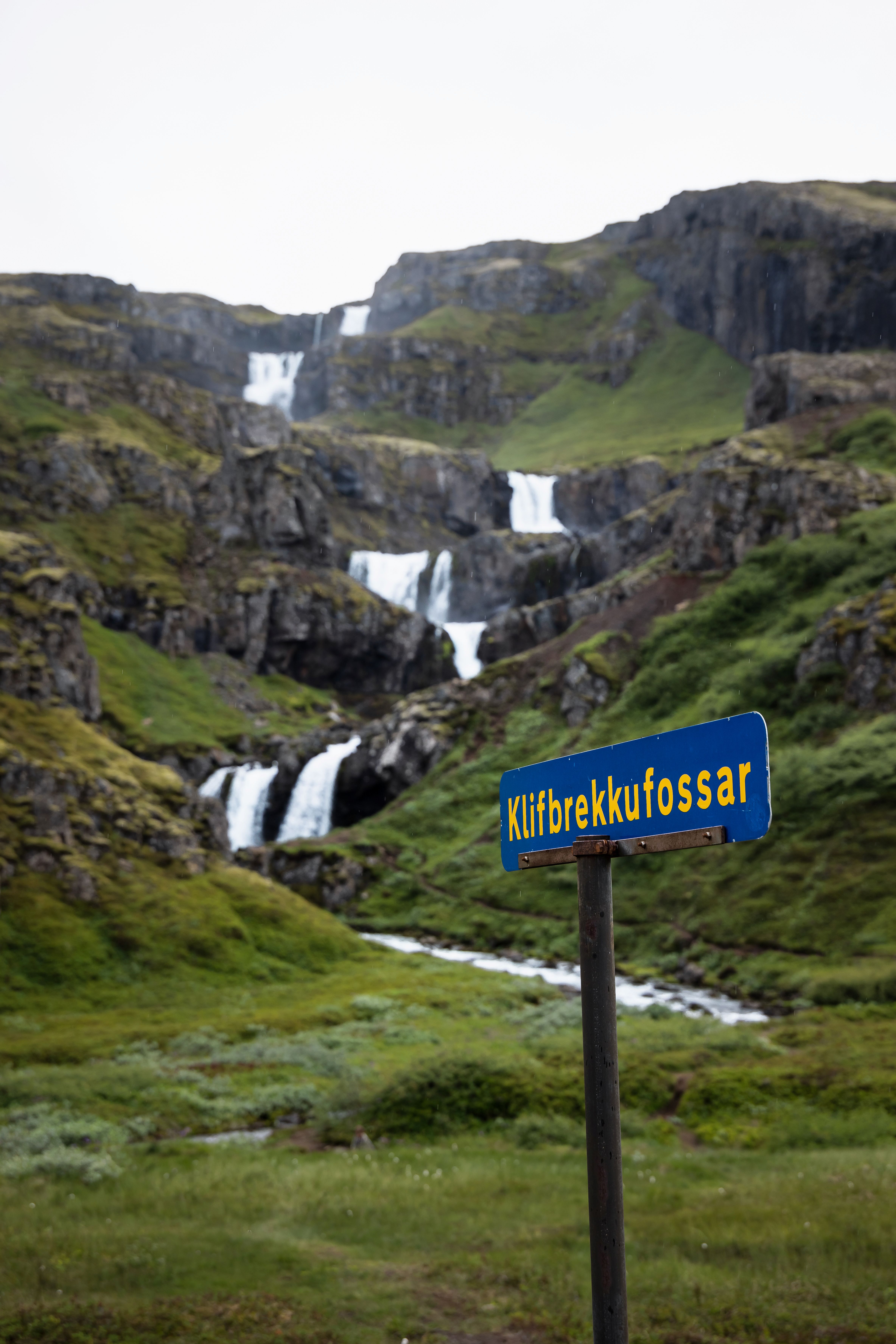
Photographer: Þráinn Kolbeinsson
2. Prestagil Gorge
Further along the fjord, Prestagil is another worthwhile stop. Here, water has carved a gorge through the mountains on its way towards the sea. The surrounding landscape shows just how powerful the combination of water, rock and weather has been in shaping the Eastfjords. Stop to explore the area and take in the changing views as the gorge opens towards the fjord.
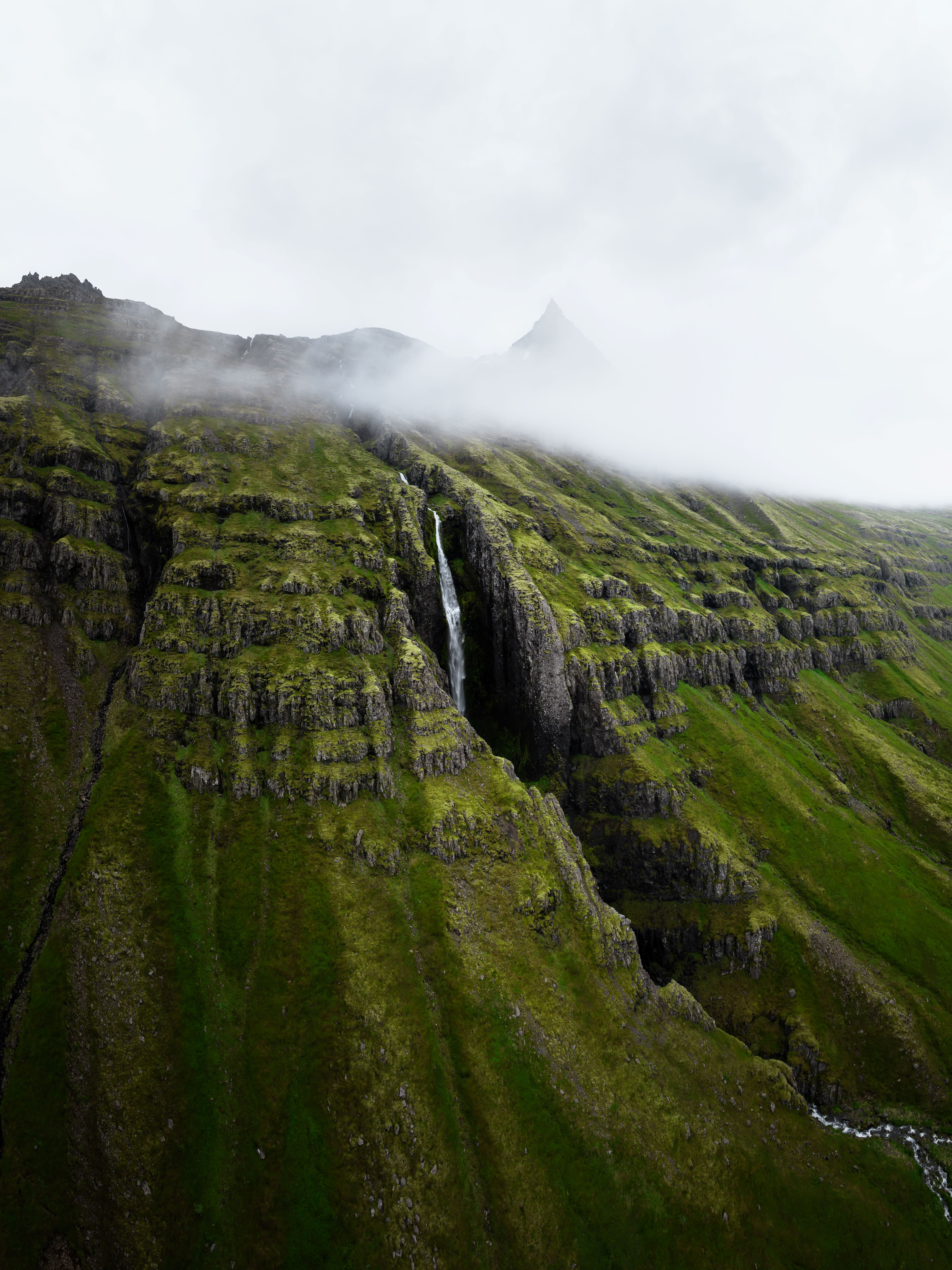
Photographer: Þráinn Kolbeinsson
3. Hiking in Mjóifjörður
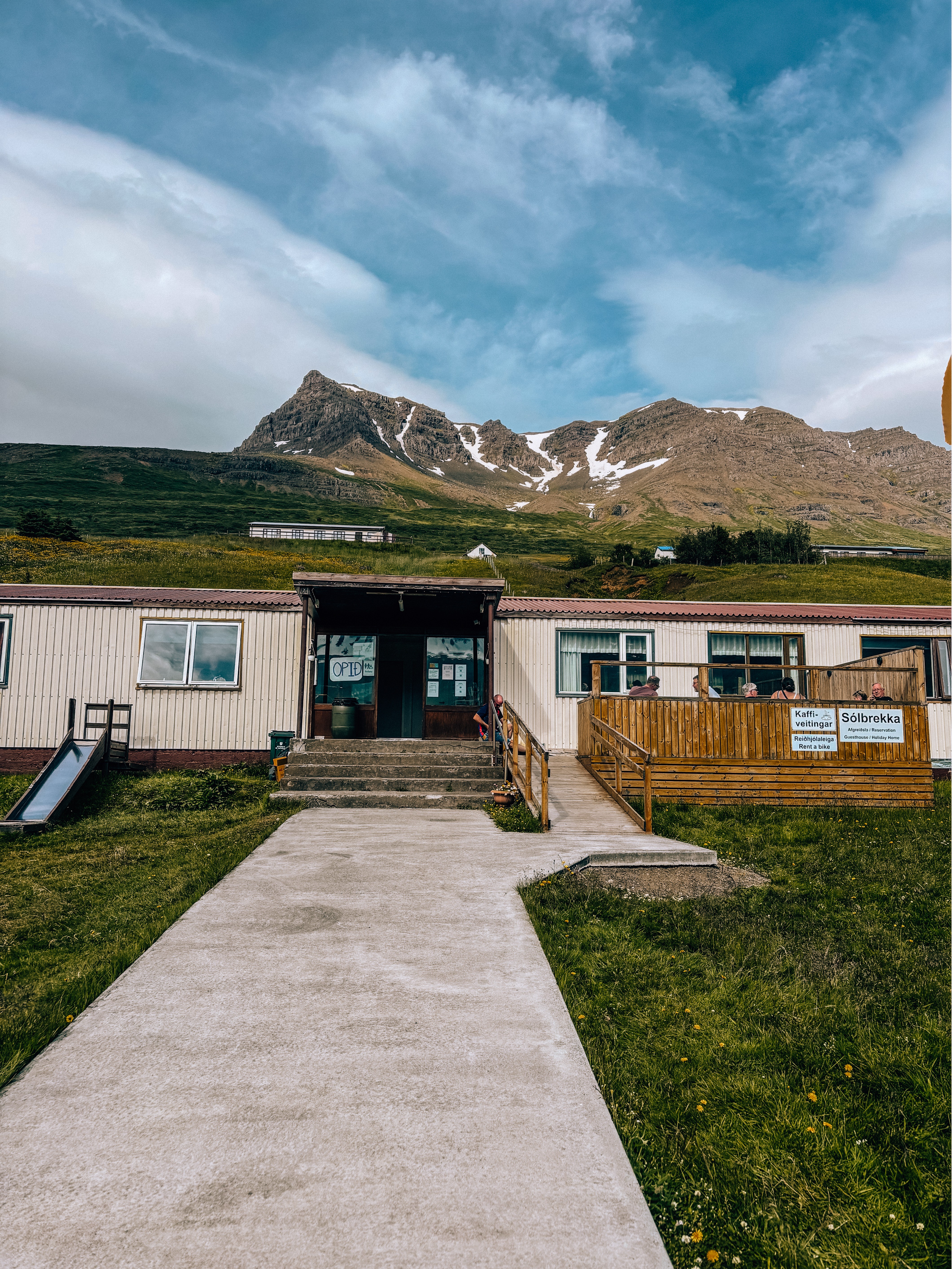
The mountains surrounding Mjóifjörður offer opportunities for hiking and exploring on foot, including several marked routes. For hiking information and local recommendations, stop at Sólbrekka Café, where you can pick up a hiking map before heading out. Walking through the mountains gives you a completely different perspective of the fjord. From higher ground, the narrow shape of Mjóifjörður, the surrounding peaks and the open ocean come together in one expansive landscape. If you have the time, consider staying overnight so you can dedicate a full day to exploring the area rather than trying to fit everything into a short stop.
4. Walk Along the Shore
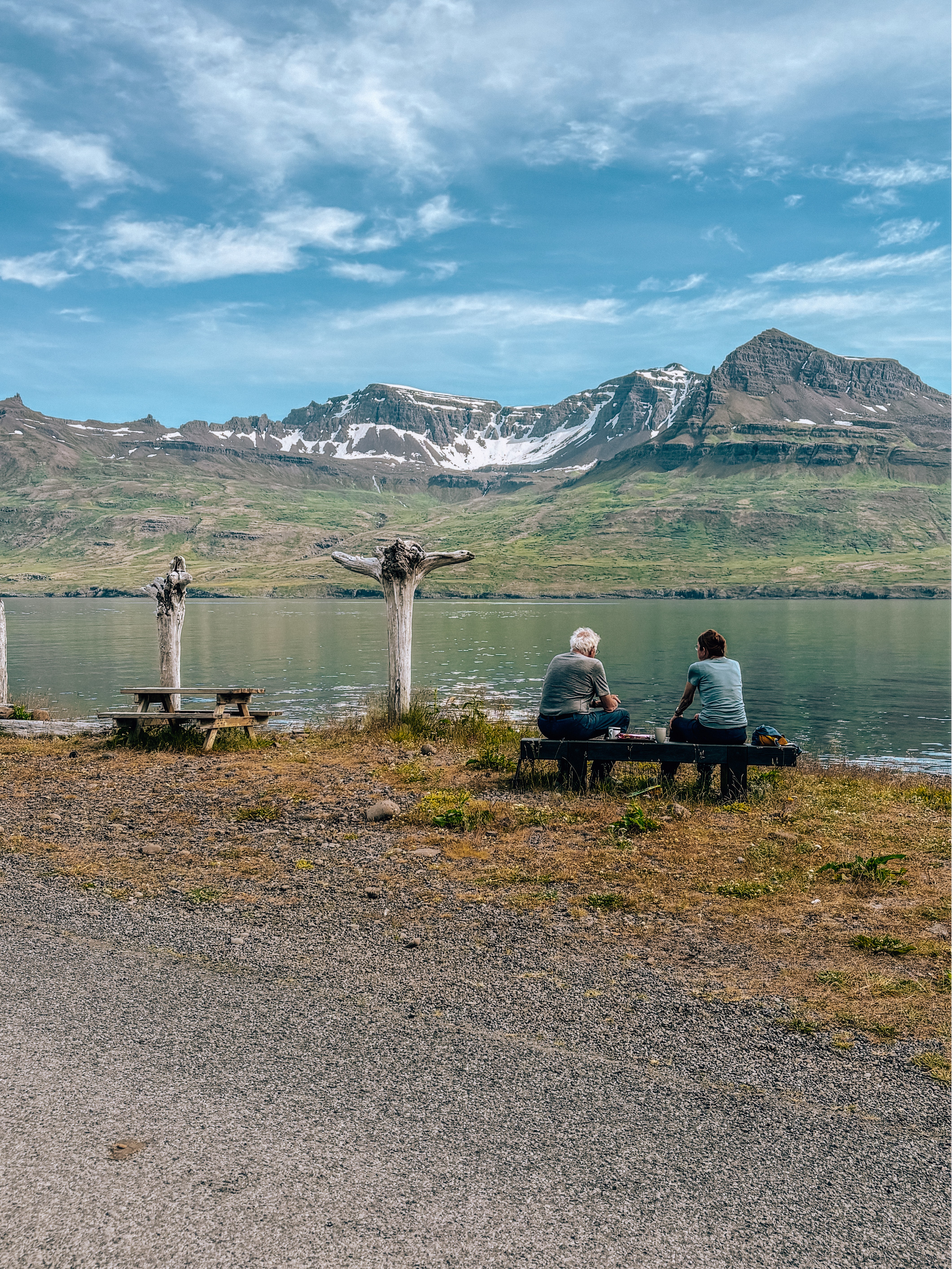
In Mjóifjörður, the sea is never far away. Take a walk along the shoreline, look for interesting stones and shells, or find a quiet place to sit beside the water. On a warm summer day, the brave might even take a swim. It is a simple experience, but one that fits Mjóifjörður perfectly: there is plenty of space, very few people and no need to rush.
5. Drive to Dalatangi Lighthouse
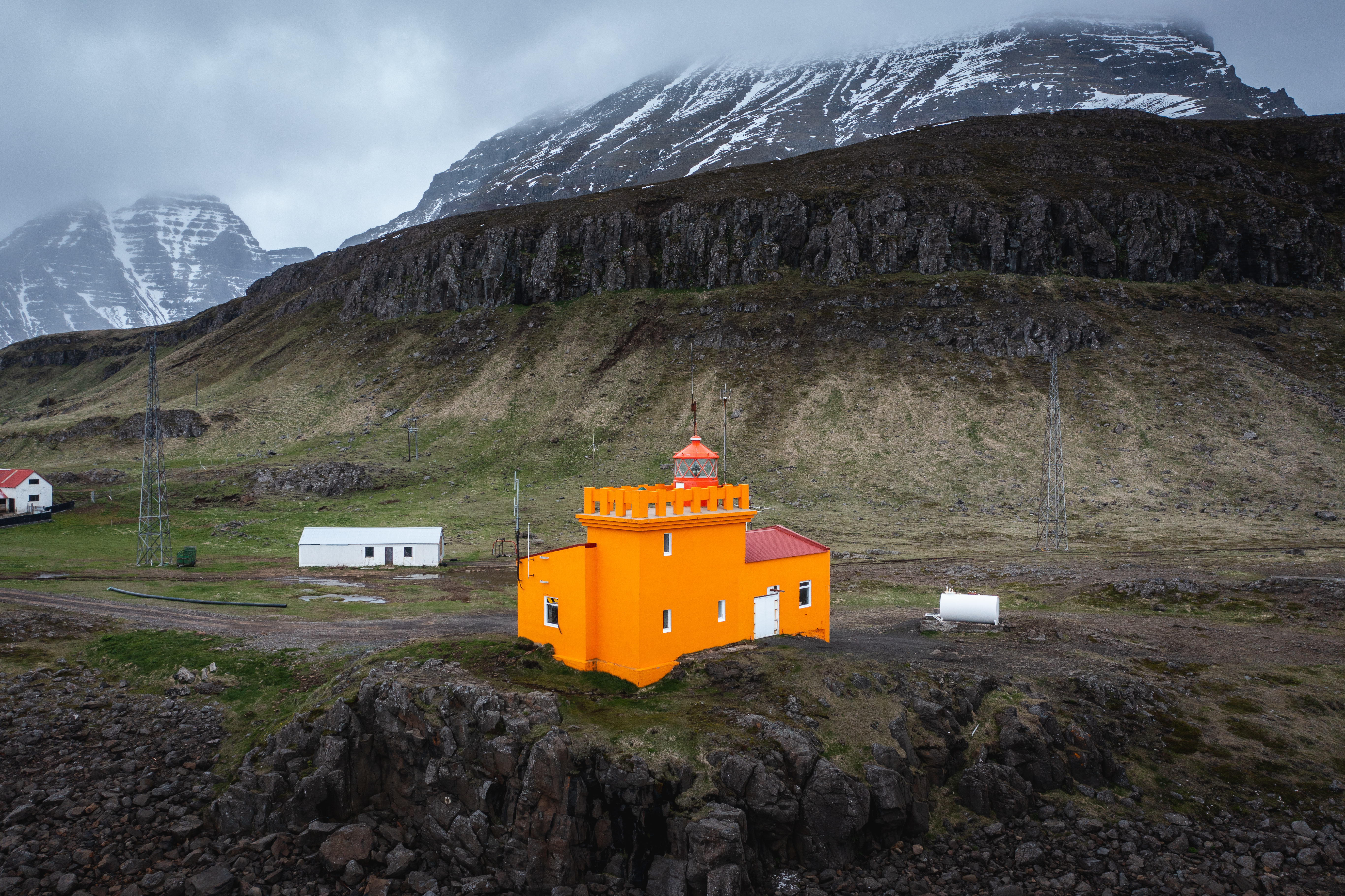
The road continues through the fjord towards Dalatangi, where a lighthouse stands between the mountains and the open North Atlantic. The further you travel, the more exposed and wild the landscape becomes. The combination of mountains, ocean and the remote lighthouse makes the journey to Dalatangi an especially memorable part of exploring Mjóifjörður. The area is also a reminder of how isolated life in this part of Iceland can be, particularly when weather conditions change.
Photographer: Icelandic Explorer - Gunnar Freyr Gunnarsson
6. The Shipwreck and Remains of the Past
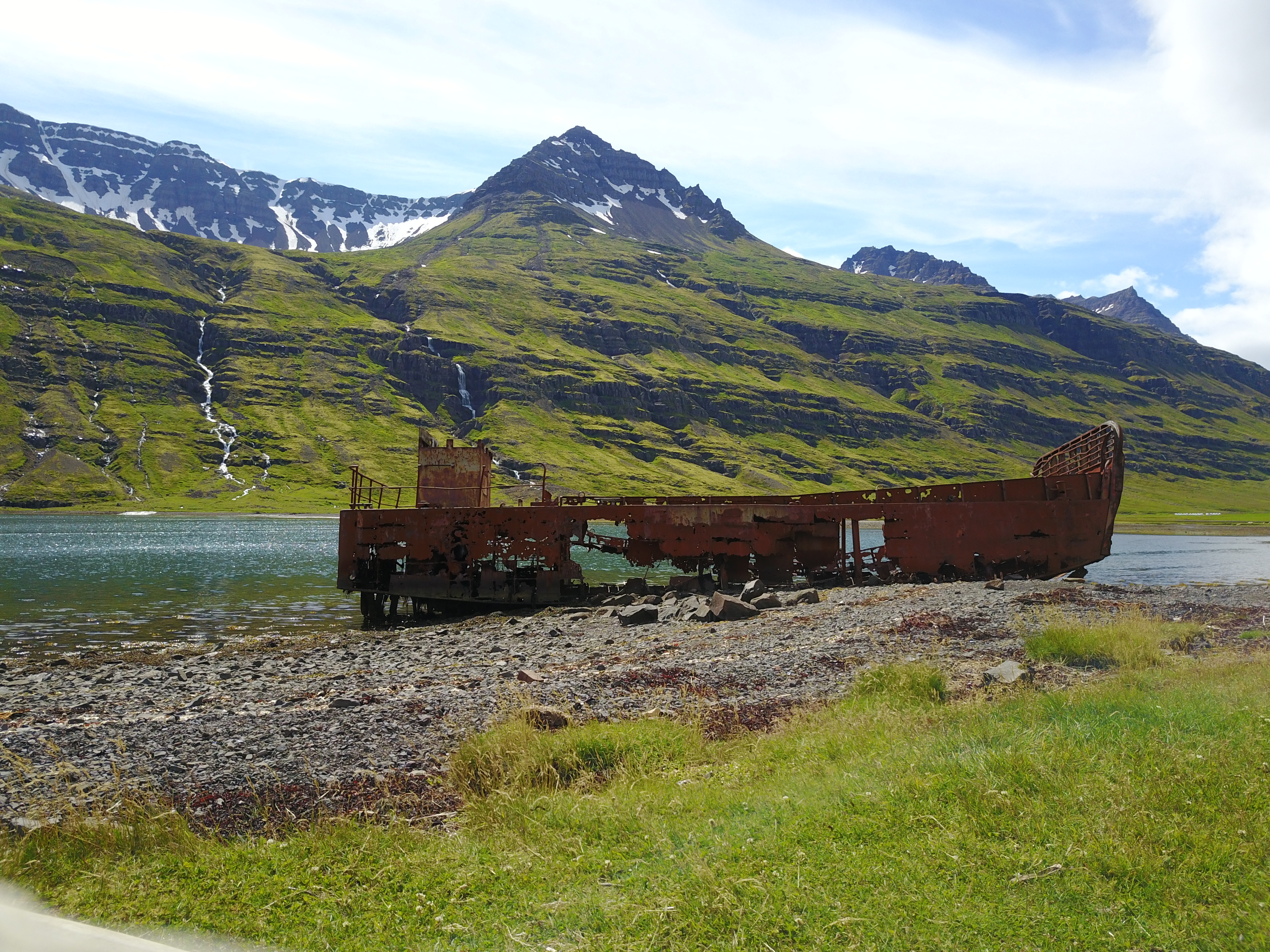
Along the shore of Mjóifjörður, you can find an old Landing Craft Mechanized (LCM) that has remained here since 1966. Together with old ruins and other traces of settlement, it offers a glimpse into the people and stories connected to this remote fjord. These remnants add another layer to the landscape — Mjóifjörður is not only about dramatic scenery, but also about the people who have lived, worked and travelled here.
Photographer: Páll G. Ásgeirsson
7. Stay in Mjóifjörður
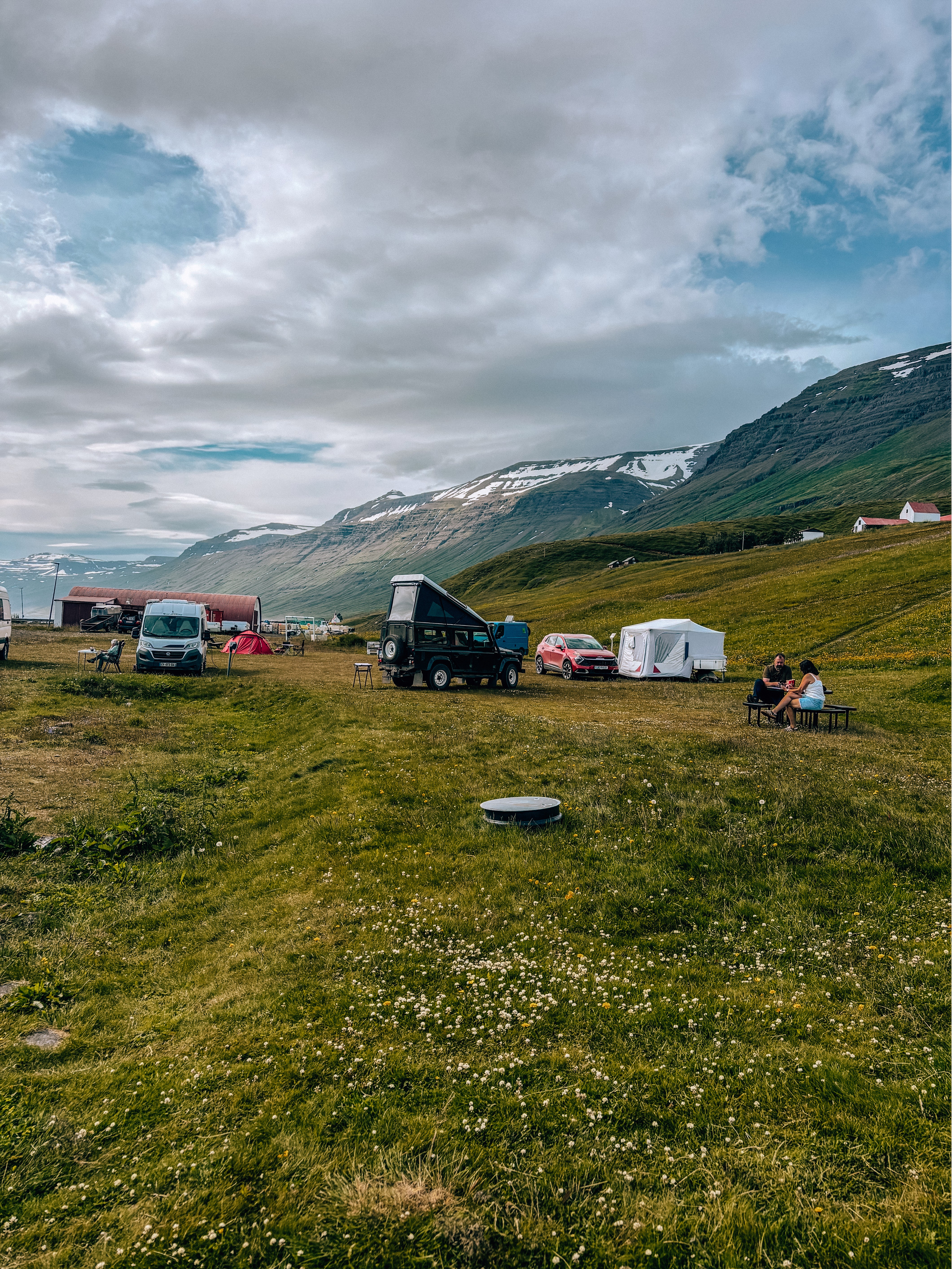
If you want to experience Mjóifjörður properly, consider staying overnight rather than visiting only as a day trip. Sólbrekka provides a convenient base for exploring the fjord, with a guesthouse and cottages surrounded by the mountains. There is also Sólbrekka Café, where you can stop for refreshments, pick up a hiking map and get ready for exploring the area.
Bikes are also available for rental, offering another way to experience the fjord at a slower pace.
For travellers who prefer sleeping under the open sky, Sólbrekka Camping offers a chance to stay surrounded by the mountains and enjoy even more time in the fjord.
Spending the night also means you do not have to hurry back over the mountain road. You can watch the light change across the mountains, enjoy the quiet of the evening and start exploring again the following morning.
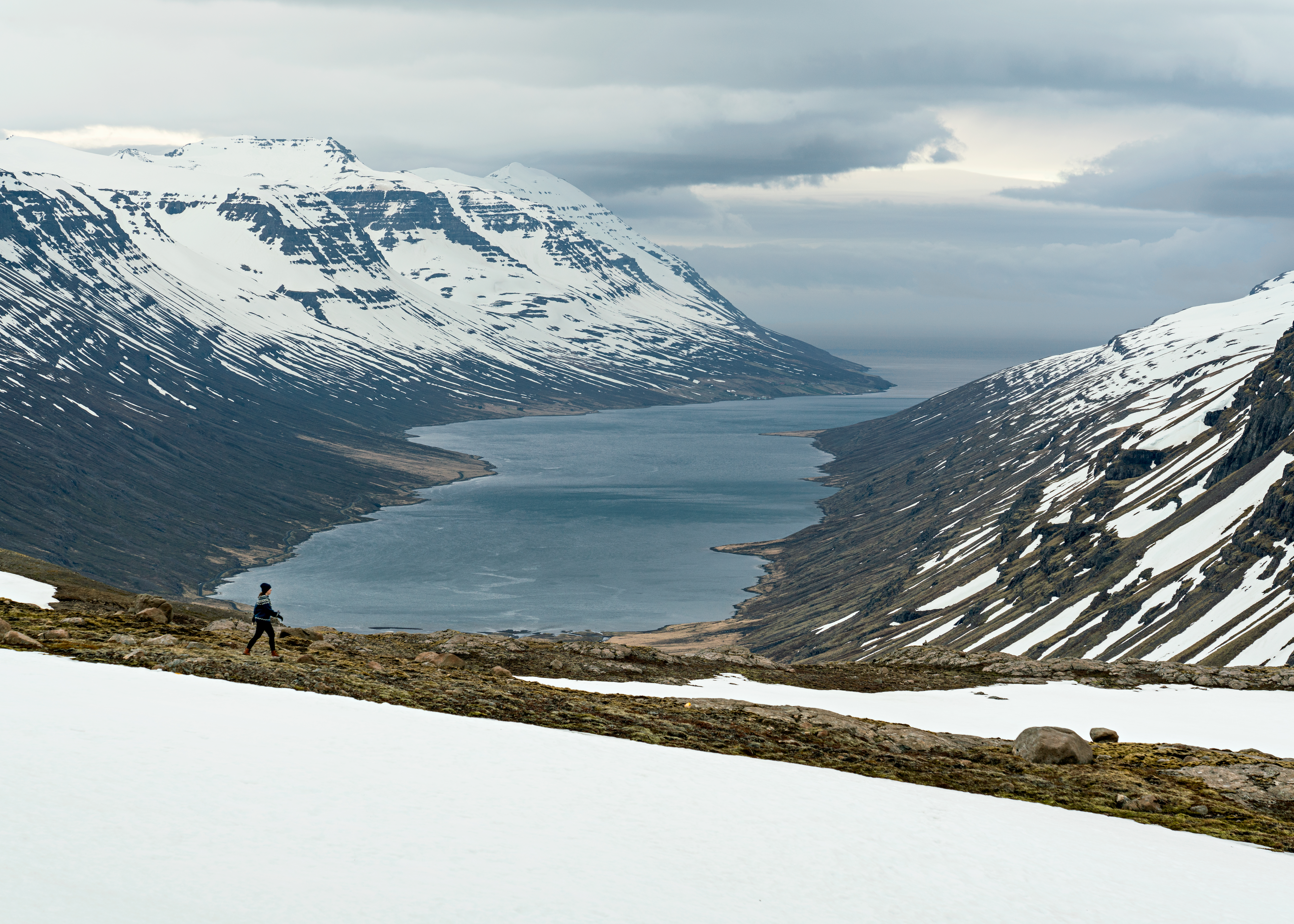
Mjóifjörður in Winter
Mjóifjörður changes dramatically with the seasons.
During winter, snow can close the mountain road into the fjord, and the small community is reached by boat from Neskaupstaður instead.
Under a blanket of snow, the mountains, sea and small settlement remain, but the atmosphere becomes even quieter and more isolated. The landscape feels completely different from the green summer months.
Winter in Mjóifjörður is not simply a colder version of the summer experience — it offers a chance to see the fjord in a much more secluded and atmospheric setting.
If you are considering visiting in winter, make sure to check local conditions and transport information in advance.
Photographer: Jessica Auer
How Long Should You Spend in Mjóifjörður?
You can visit Mjóifjörður as a detour during a day of exploring the Eastfjords, but we recommend allowing at least a full day if you have the time.
There is plenty to see along the road into the fjord, and adding time for hiking, exploring the shoreline, visiting Dalatangi, stopping at the waterfalls or simply enjoying the scenery can easily turn a short detour into a full day of exploration.
Staying overnight makes it possible to experience Mjóifjörður at a slower pace and that is arguably the best way to experience it.
Experience the Quiet Side of Austurland (East Iceland)
Mjóifjörður may be small, but that is part of what makes it special. There are no crowds to navigate and no need to rush from one attraction to the next. Instead, there are waterfalls beside the road, mountains rising from the sea, quiet beaches, hiking trails, old stories and a tiny community surrounded by an enormous landscape. If you are travelling The Fjord Way through Austurland, make the detour into Mjóifjörður and give yourself time to explore.
Drive slowly. Stop often. Take the hike. Walk by the sea. Stay the night.
You may come for the waterfalls and the dramatic scenery, but it is the feeling of being somewhere truly quiet and remote that you are likely to remember.
Plan Your Visit to Mjóifjörður
Ready to explore Mjóifjörður? Discover more ideas and visit the Mjóifjörður community website for more detailed information for things to see and do, places to stay, food, hiking and experiences in Mjóifjörður and its surroundings, and add the fjord to your own Fjord Way itinerary.
Photographer: Þráinn Kolbeinsson

Is Mjóifjörður worth visiting?
Absolutely. Mjóifjörður is one of the quieter and more remote fjords in East Iceland, making it a great choice for travellers who want to experience dramatic scenery without the crowds. The journey into the fjord takes you past waterfalls, steep mountains and the coastline, with plenty of places to stop and explore along the way.
How do you get to Mjóifjörður?
Mjóifjörður is reached by a gravel road from the main road between Egilsstaðir and Reyðarfjörður. The road descends into the fjord and follows the coastline towards the small settlement and Dalatangi. The road conditions can change with the weather and season, so check current road and weather conditions before setting off.
How far is Mjóifjörður from Route 1?
Mjóifjörður is only a short detour from Iceland's Route 1 (the Ring Road), but the landscape changes quickly once you leave the main route. The drive into the fjord is scenic, with waterfalls and steep mountains surrounding the road.
What is there to do in Mjóifjörður?
There are plenty of ways to spend a day in Mjóifjörður. Visit Klifbrekkufossar waterfalls, explore Prestagil gorge, drive out to Dalatangi Lighthouse, walk along the shoreline, go hiking in the surrounding mountains or simply take your time enjoying the landscape. You can also visit Sólbrekka Café, rent a bike and pick up a hiking map before exploring the area.
What are the main attractions in Mjóifjörður?
Some of the highlights include Klifbrekkufossar, Prestagil, Dalatangi Lighthouse, the old Landing Craft Mechanized shipwreck and the dramatic scenery along the fjord. The journey itself is also one of the highlights, with waterfalls cascading down the mountainsides and views across the fjord and ocean.
How long should you spend in Mjóifjörður?
You can visit Mjóifjörður as a day trip, but we recommend allowing at least one full day if you have the time.
A full day gives you time to make stops along the road, visit the waterfalls and gorge, explore the shoreline, hike in the mountains and continue out towards Dalatangi. Staying overnight allows you to explore at an even slower pace.
Can you hike in Mjóifjörður?
Yes. The mountains and valleys around Mjóifjörður offer several hiking opportunities, including marked trails. You can pick up a hiking map and get local information at Sólbrekka Café before heading out.
Can you visit Mjóifjörður without a 4x4?
Mjóifjörður is accessed by a gravel mountain road, and whether a particular vehicle is suitable depends on the current road conditions and season. Always check the latest road information before travelling and follow any vehicle or road restrictions in place.
When is the best time to visit Mjóifjörður?
Summer is generally the easiest time to explore Mjóifjörður by road, when the days are long and the landscape is accessible for hiking and outdoor activities. However, Mjóifjörður has a very different character in winter. Snow transforms the mountains and coastline, creating a quieter and more secluded experience.
Can you visit Mjóifjörður in winter?
Yes, but winter access is different. Snow can close the mountain road into the fjord, and when the road is closed, the community can be reached by boat from Neskaupstaður. If you are planning a winter visit, check road conditions, weather and local transport information in advance.
Where can you stay in Mjóifjörður?
Sólbrekka offers accommodation in the fjord, including a guesthouse and cottages. There is also Sólbrekka Camping for travellers who want to stay closer to nature. Sólbrekka Café is also a useful stop for refreshments, hiking information and bike rental.
How many people live in Mjóifjörður?
Only around 10–15 people live in Mjóifjörður, giving the fjord its particularly peaceful and remote atmosphere.
What is Klifbrekkufossar?
Klifbrekkufossar is a series of waterfalls cascading down the mountainside as you enter Mjóifjörður. It is one of the most recognisable natural attractions in the fjord and an easy place to stop and take in the surrounding landscape.
Is Mjóifjörður part of the Eastfjords?
Yes. Mjóifjörður is one of the fjords of Austurland (East Iceland) and is a stop along the Fjord Way. It can easily be included in a longer journey through the Eastfjords, particularly for travellers who want to explore beyond the main Ring Road route.