
Experience Austurland During the Off-Season in Iceland

Off-Season Adventures in Iceland: Why Winter Belongs to Austurland
Winter is often described as the off-season in Iceland. But for those who travel with a sense of quiet adventure, it can be the most rewarding time to visit. Snow softens the landscape, crowds fade away, and nature sets a slower, more intimate rhythm. In Austurland, this quiet season reveals the region at its most authentic.
This complete guide lets you discover the top off-season adventures in East Iceland. Plus, insight into winter weather, practical travel tips, and itineraries designed for a slower pace.
Why Iceland’s Off-Season Is the Perfect Time to Explore Austurland
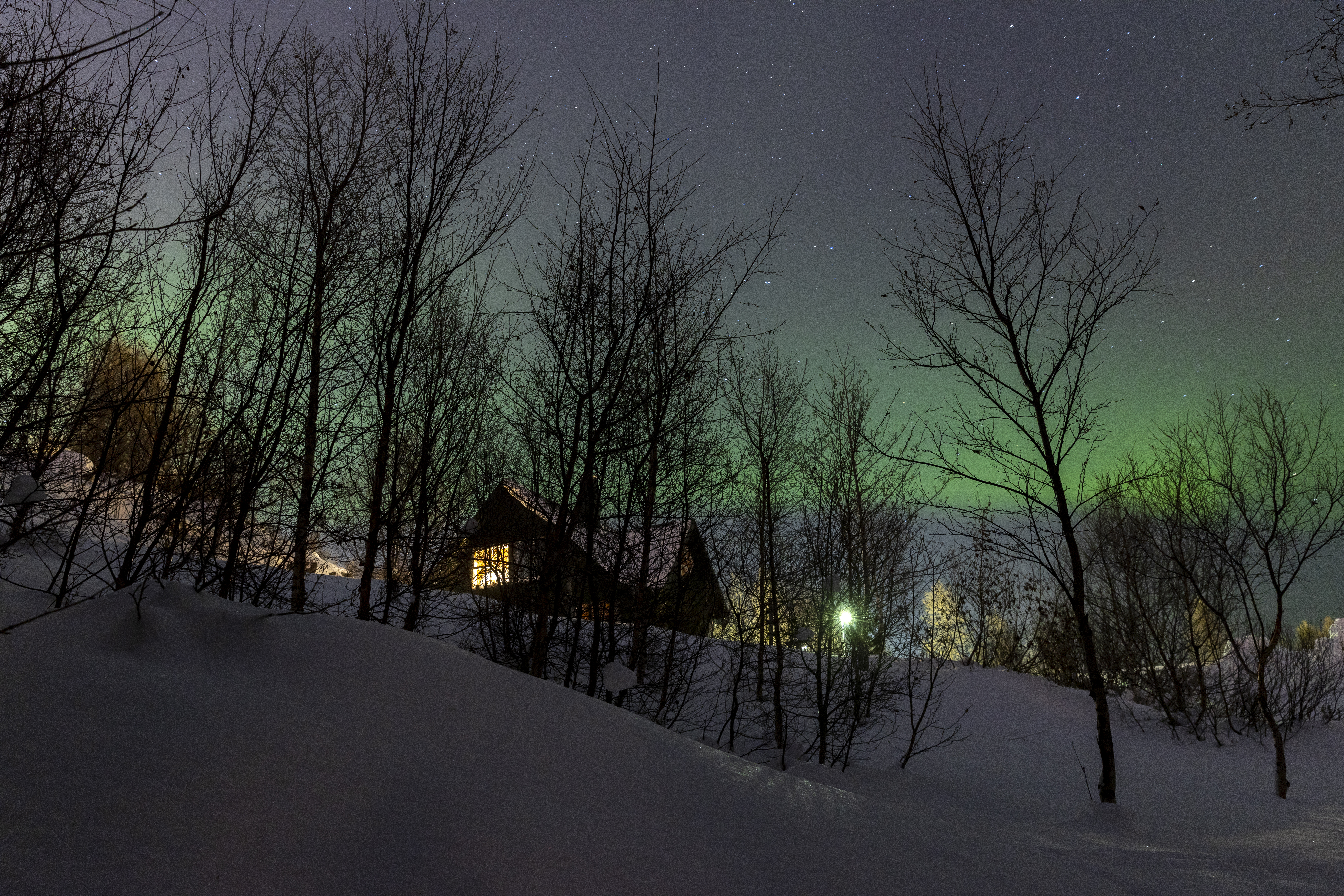
The off-season in Iceland offers a quieter way to experience the country. In Austurland, winter sharpens what already defines the region. You’ll discover long fjords framed by snow, small communities spread across wide distances, and daily life shaped by the landscape. Seasonal encounters add another layer to winter travel here. Wild reindeer move through the Highlands, and on clear nights, the Northern Lights return to the sky.
With fewer visitors on the roads and at viewpoints, it becomes easier to explore at your own pace. Scenic drives feel unrushed, short walks lead to uninterrupted views, and time is left for simple moments. Watching the Icelandic weather shift across the fjords or witnessing light change over the mountains becomes part of the experience.
Winter here encourages a slower, more deliberate style of travel, guided by daylight, weather, and curiosity rather than packed itineraries.
Photographer: Ragnhildur Aðalsteinsdóttir
Understanding Off-Season in Iceland: Weather, Light, and Travel Rhythm
The off-season in Iceland generally runs from November through mid-April, which falls in winter. Meanwhile, September–October and May are considered the shoulder season.
Winter in Iceland brings shorter days, changing weather, and a relaxed travel rhythm. Rather than days-long sightseeing, travelers move with the light, embracing the soft blue hours that stretch across mornings and afternoons.
While daylight hours are shorter, they are often beautifully atmospheric. Clear winter days offer pastel skies, long shadows, and crisp air. Snow and ice transform familiar landmarks into something entirely new.
Here’s what to expect during winter in Austurland:
- Average temperatures: Typically range from -5 to 5°C (23–41°F), though wind can make conditions feel significantly colder at times
- Hours of daylight: From about 4–5 hours in December, gradually increasing to 7–10 hours by February and March
- Weather conditions: Can change quickly, with a mix of snow, wind, and clear, calm days
- Iceland road conditions: Main roads are regularly maintained, while mountain F-roads are usually closed for the season
Together, these conditions create an ideal setting for slow travel in East Iceland.
Top Off-Season Adventures in East Iceland
Winter opens up a quieter set of experiences across East Iceland, from outdoor activities to simple moments in nature. Here are a few things you can tick off on your bucket list during the season.
1. Spot wild reindeer on a Super Jeep tour
East Iceland is the only region where Icelandic wild reindeer roam freely. Winter offers the best chance to see them as they move to lower elevations in search of food. During the off-season, Super Jeep tours in East Iceland make it possible to reach the areas they frequent during winter. These tours are guided by locals who know the terrain, making them a practical choice at this time of year.
2. Try cross-country skiing at Oddskarð and Stafdalur
Cross-country skiing in Austurland fits naturally with the slower pace of off-season Iceland travel. Local ski areas such as Oddskarð and Stafdalur remain quieter during winter than many others in Iceland. The experience feels relaxed, with time to move steadily through the landscape. Plus, scenic trails in the region suit both beginners and experienced skiers, making it enjoyable for everyone.
3. Explore Austurland’s frozen waterfalls
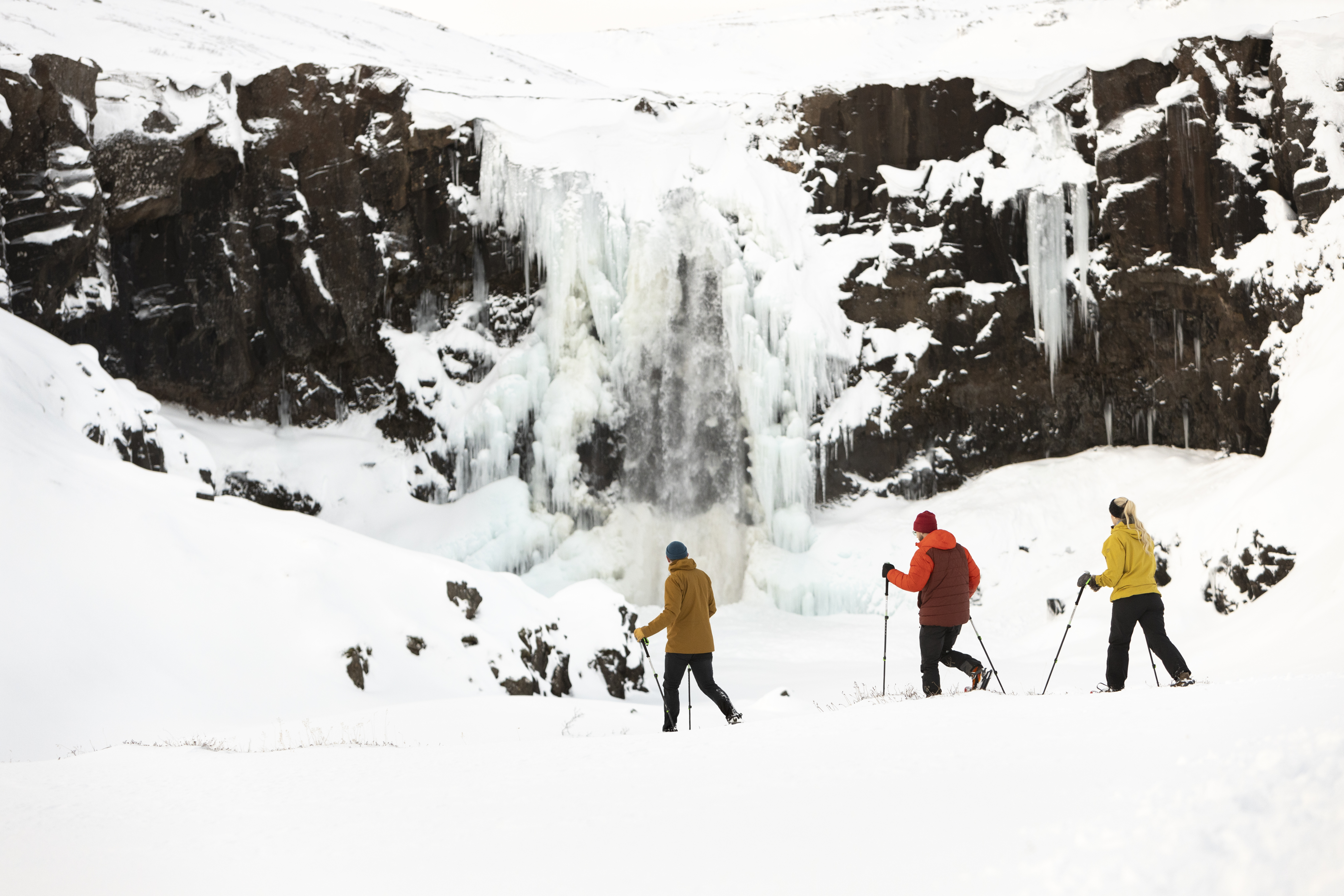
In winter, waterfalls across Austurland take on sculptural forms, framed by ice and snow. Well-known examples include Gufufoss, Gljúfursárfoss, Fardagafoss, and Rjúkandi. Many remain easily accessible from main roads, often without other visitors nearby. Others require short, easy winter hikes that feel especially rewarding in quiet conditions.
4. See the Stuðlagil Canyon under blankets of snow
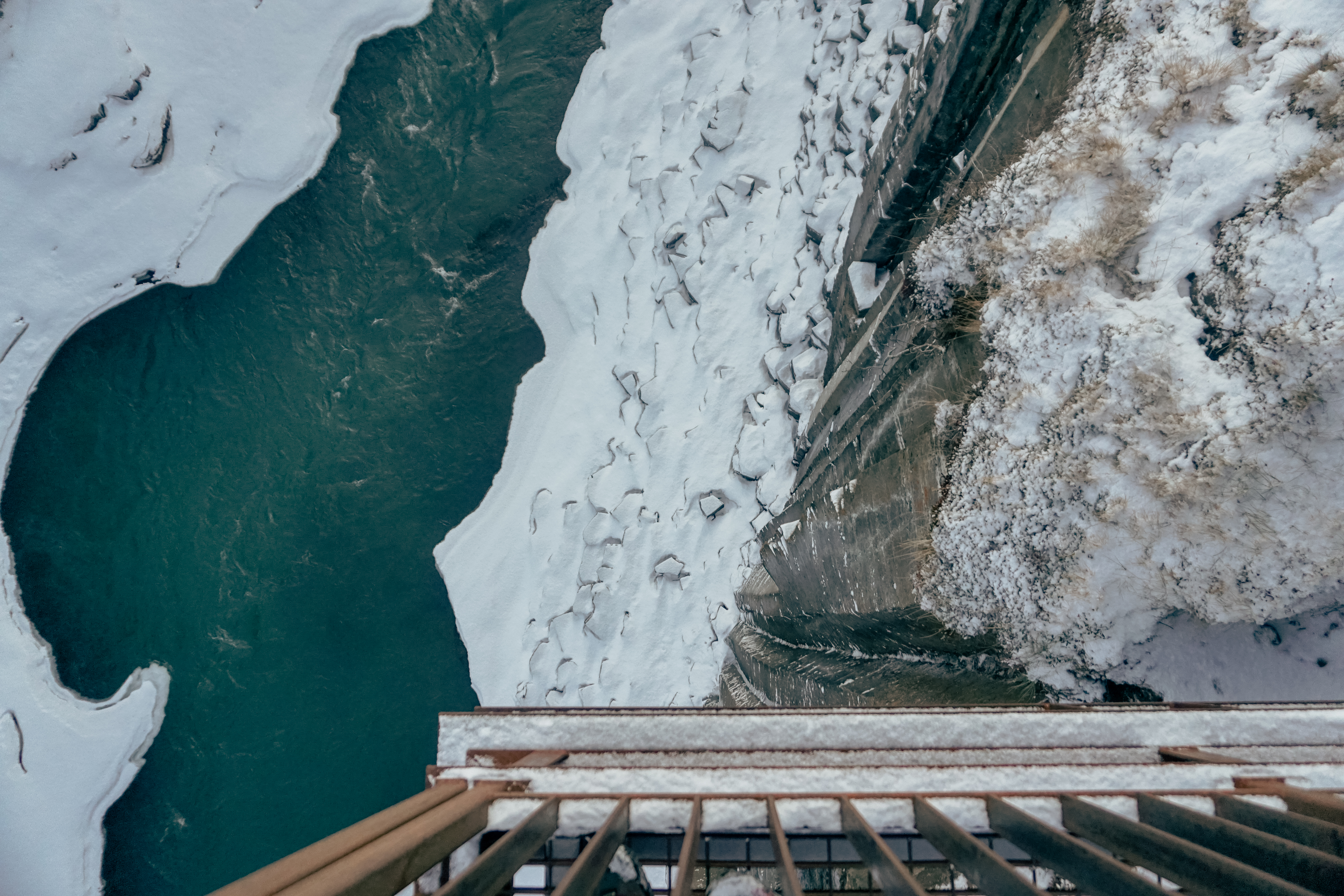
Stuðlagil Canyon’s basalt columns look striking year-round, but winter adds a quieter sense of drama. Snow highlights the geometry of the formations, creating a distinctly different atmosphere. In winter, the best way to access the canyon is on a Super Jeep tour suited to seasonal conditions.
5. Visit the snowy Eastfjords villages
Small fishing villages along the Eastfjords feel especially cozy in winter, when daily life slows naturally. Seyðisfjörður is known for its colorful houses and creative atmosphere. Borgarfjörður Eystri offers a quiet harbor setting framed by mountains and winter light. And Breiðdalsvík provides a peaceful coastal stop along the Ring Road (Route 1).
6. Soak in the natural hot springs of Vök Baths
A winter visit to Vök Baths is a highlight of any off-season Iceland trip. With fewer visitors, the floating geothermal pools feel calm and unhurried. Warm water contrasts gently with the crisp air, while lake views shift with light and weather. For something more local, public swimming pools in Austurland offer an equally relaxed winter ritual.
Photographer: Ragnhildur Aðalsteinsdóttir
Winter Northern Lights Experiences in East Iceland
Winter marks the season of the aurora borealis. And Austurland’s low light pollution and remote setting make it an exceptional place to see it. On clear nights, Northern Lights often appear above fjords, mountain ridges, and quiet towns.
Many visitors choose to watch the aurora on their own, simply stepping outside their accommodation in Austurland and looking up. If you want to do the same, here are some tips that’ll help improve your chances of seeing the aurora:
- Check the aurora forecast: Look for strong activity and low cloud cover before heading out
- Move away from town lights: Choose fjords, valleys, or quiet roads for darker skies
- Wait in one spot: Give your eyes time to adjust and watch for movement
- Dress appropriately: Wear warm layers and waterproof outerwear to stay comfortable while waiting
For those who prefer added local insight, guided Northern Lights tours can help navigate weather, darkness, and viewing conditions. Most operators also offer free rebooking if there are no sightings during your trip.
Pro tip: Book your tour earlier in your vacation, so that you’ll have more opportunities to see the lights.
Wildlife and Nature in the Off-Season: Reindeer, Fjords, and Coastal Life
The off-season in Iceland changes how nature is experienced in the region. With fewer visitors and snow covering the ground, the landscape feels more open and easier to read.
Wild reindeer are more likely to be spotted in winter as herds descend into valleys and lower elevations. With some luck, they may be seen from scenic road routes or short walks near valleys. Along the coast, some resident bird species remain through the colder months, adding subtle life to otherwise quiet shorelines.
For travelers, this means nature is experienced incidentally—during drives, short walks, or village stops—rather than through crowded viewpoints. Fjords, inland valleys, and nearby areas of Vatnajökull National Park feel especially spacious in winter. And they all reinforce the slower, observation-based pace that defines off-season travel in East Iceland.
Practical Tips for Visiting East Iceland in the Off-Season
Off-season travel in East Iceland rewards a flexible approach and thoughtful planning. Here are a few practical tips to help you travel comfortably and make the most of the quieter months.
- Dress for changing conditions: Waterproof outerwear, warm mid-layers, sturdy shoes, and crampons for icy paths or short hikes
- Check daily road and weather updates: Conditions can vary widely across fjords, valleys, and mountain passes. Visit vedur.is and road.is for official updates.
- If driving, rent a 4WD vehicle: This offers better traction and confidence when driving during the off-season
- Consider guided day tours in Austurland: Local guides handle conditions while allowing you to experience the region safely
- Allow extra time between stops: Shorter daylight hours and quieter roads favor a slower pace
- Build flexibility into your plans: Having a backup option makes it easier to adjust to weather changes
- Plan activities around daylight: Use the brightest hours for driving and outdoor exploration
When approached this way, traveling off-season in Iceland feels calm and adaptable, well-suited to East Iceland’s natural rhythm.
Suggested 1–3 Day Off-Season Routes Through Austurland
Exploring East Iceland in the off-season favors a slower pace. These sample routes are designed to fit shorter days and changing conditions.
1 day in East Iceland
Base yourself in Egilsstaðir or Seyðisfjörður to explore the village and visit nearby waterfalls. Then, end the day with a soak at Vök Baths’ hot spring.
2 days in East Iceland
Spend the first day driving part of the Eastfjords at a relaxed pace. Stop in Austurland villages such as Breiðdalsvík or Borgarfjörður Eystri, and take short walks when conditions allow. On the second day, continue along the fjords without rushing. Allow time for scenic viewpoints, winter wildlife spotting, and a flexible evening plan for Northern Lights.
3 days in East Iceland
Use the first day to explore fjord roads and coastal villages. Focus on fewer stops and allow time for weather-based adjustments. You can also book a Northern Lights tour for the night.
On the second day, add a light winter activity. Choose between a short waterfall hike, cross-country skiing, or a visit to Stuðlagil Canyon. On the third day, slow the pace further. Revisit a favorite village, enjoy a long Austurland café stop, or end the trip with a soak at Vök Baths.
Experience Austurland’s Beauty During Off-Season in Iceland
During the off-season in Iceland, Austurland reveals a quieter side of the country. With fewer visitors, it becomes more enjoyable and rewarding to explore fjords, villages, and natural landmarks without rushing between stops. Soaking in warm water, spotting reindeer in winter light, or pausing in a coastal town all feel more personal during. The slower pace allows time to appreciate these small moments.
For travelers drawn to calm landscapes and uncrowded places, Austurland offers an off-season experience that feels balanced, approachable, and memorable.
FAQs About Visiting Iceland in the Off-Season
What is the cheapest month to visit Iceland?
Late winter, particularly January through March, is often the most affordable time to visit Iceland. Lower demand means better availability for accommodations, tours, and rentals.
What is considered the off-season in Iceland?
Iceland’s off-season generally runs from November through mid-April, except during the holidays. September–October (autumn) and May (spring) are considered shoulder months.
What is the best month to visit Iceland?
The best month to visit Iceland depends on what you want to experience. For fewer visitors, winter landscapes, and a slower pace, the off-season (November–April) is a strong choice.
What is the best month to see the Northern Lights in Iceland?
The Northern Lights are visible from September through March in Iceland. The darkest months of winter (December–January) offer the longest viewing windows when skies are clear.
Is it safe to drive in East Iceland during winter?
Yes, it’s safe to drive in East Iceland during the off-season if you’re experienced with winter driving. If not, guided tours are a good alternative during the off-season and peak winter.