
Top Iceland Winter Activities in East Iceland

Top Iceland Winter Activities in the East Fjords
East Iceland offers some great Iceland winter activities away from the country's busier regions. The East Fjords offer a sense of peace and tranquility throughout the year, but winter brings a special kind of stillness that makes the region feel even more magical. From geothermal soaks to northern lights hunts, this corner of the country suits visitors who trade crowds for open space. This guide covers where to go and what to expect on a winter trip to Austurland, Iceland.
What to Expect in East Iceland During Winter
Winter in East Iceland typically lasts from November through March, with daylight hours ranging from around four to eight hours, depending on the month. Daytime temperatures often hover around 30°F (-1°C), while nighttime temperatures can drop to between 19°F and 25°F (-7°C to -4°C). Fewer travelers mean quieter roads and shorter waits.
Winter weather in East Iceland can be unpredictable, with conditions changing quickly. However, winter can also bring beautiful, calm and sunny days, even in December. With a little luck, visitors can enjoy crisp winter air, clear skies and stunning snow covered landscapes.
This is a good time to visit Iceland if you value empty viewpoints over long daylight. The winter months trade summer's long days for dark skies suited to the northern lights.
What Winter Activities Are There to Enjoy in the East Fjords?
Winter brings a whole new range of experiences to the East Fjords. Below are some ideas for things to see and do and how to make the most of your visit, whatever the weather.
For even more inspiration and ideas for things to see and do, be sure to check out Winter in Austurland and discover the many experiences waiting for you across the region.
1. Soak in Vök Baths Near Egilsstaðir
Vök Baths stays open through winter, when air temperatures often drop to below freezing. Steam rises visibly off the lake at that temperature, more than it does in the mild summer air. Iceland often has fewer visitors in the winter, which also means open space in the floating pools instead of a crowded soak.
The name Vök refers to the ice free patches that form on the lake during winter. The pools sit right on Lake Urriðavatn, with no town lights nearby to wash out the sky. On a clear night, you can watch for the aurora while staying in the warm water. Winter’s long nights make it easier to combine geothermal bathing with watching the Northern Lights.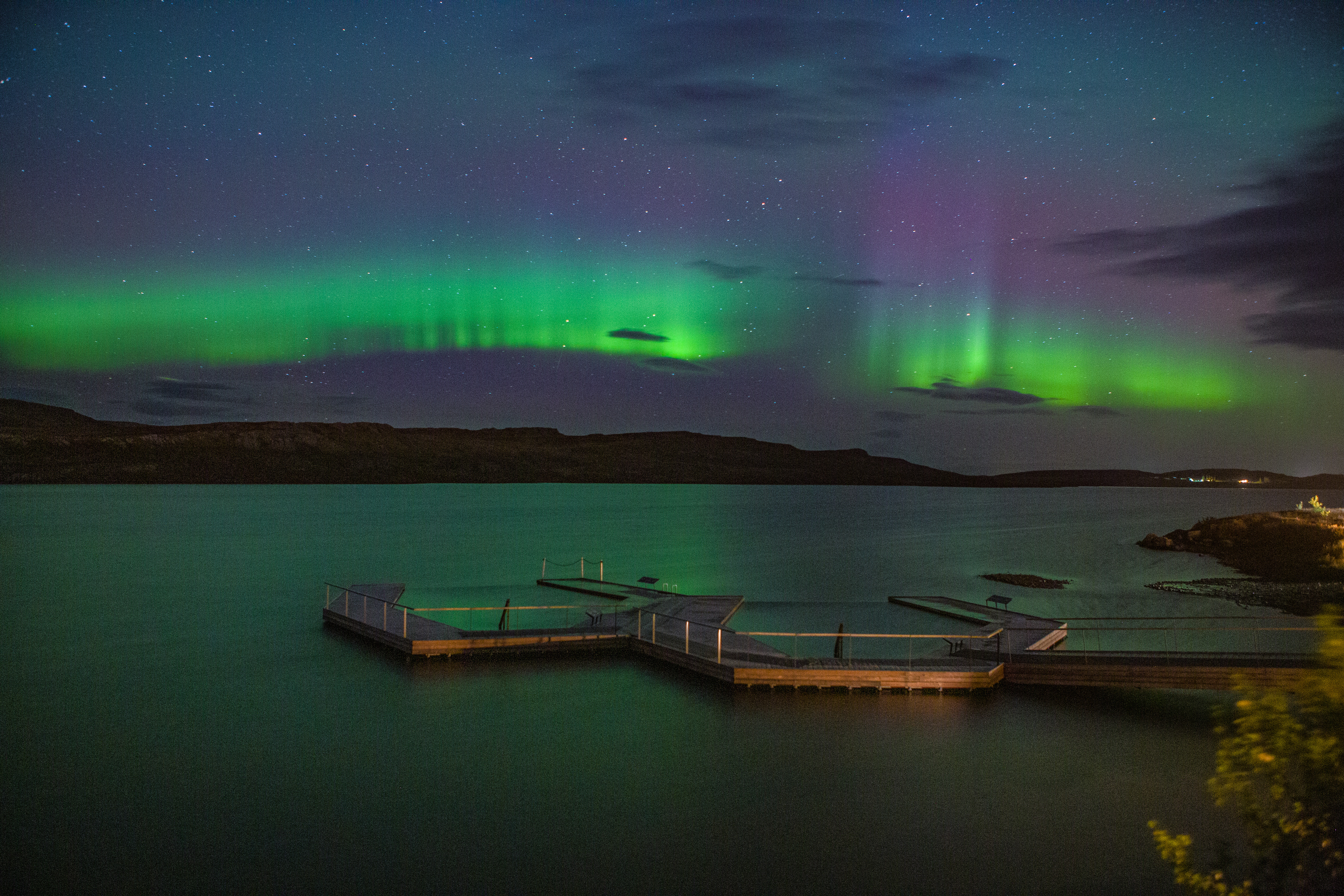
2. Explore Seyðisfjörður's Colorful Town
Rainbow Street and the wooden Blue Church look different under snow, framing the colorful houses in white. Route 93 over the Fjarðarheiði pass is the only way in (when the Norröna ferry isn't running), so check road.is before you cross.
Take some time to wander through the town at your own pace, soak up the peaceful atmosphere, and enjoy the views of the surrounding mountains and fjord. Stop for a warm cup of coffee, admire the colorful houses, and embrace the stillness that makes Seyðisfjörður especially charming in winter. There's no need to rush here, and that's part of the experience.
Once you're in town, a few indoor stops make for an easy add on. The Seyðisfjörður swimming hall, built in 1948, offers hot tubs and a sauna. Skaftfell Center for Visual Art stays open year round, with a bistro on site for a warm break. Both make a great way to spend extra time in town, whatever the weather is.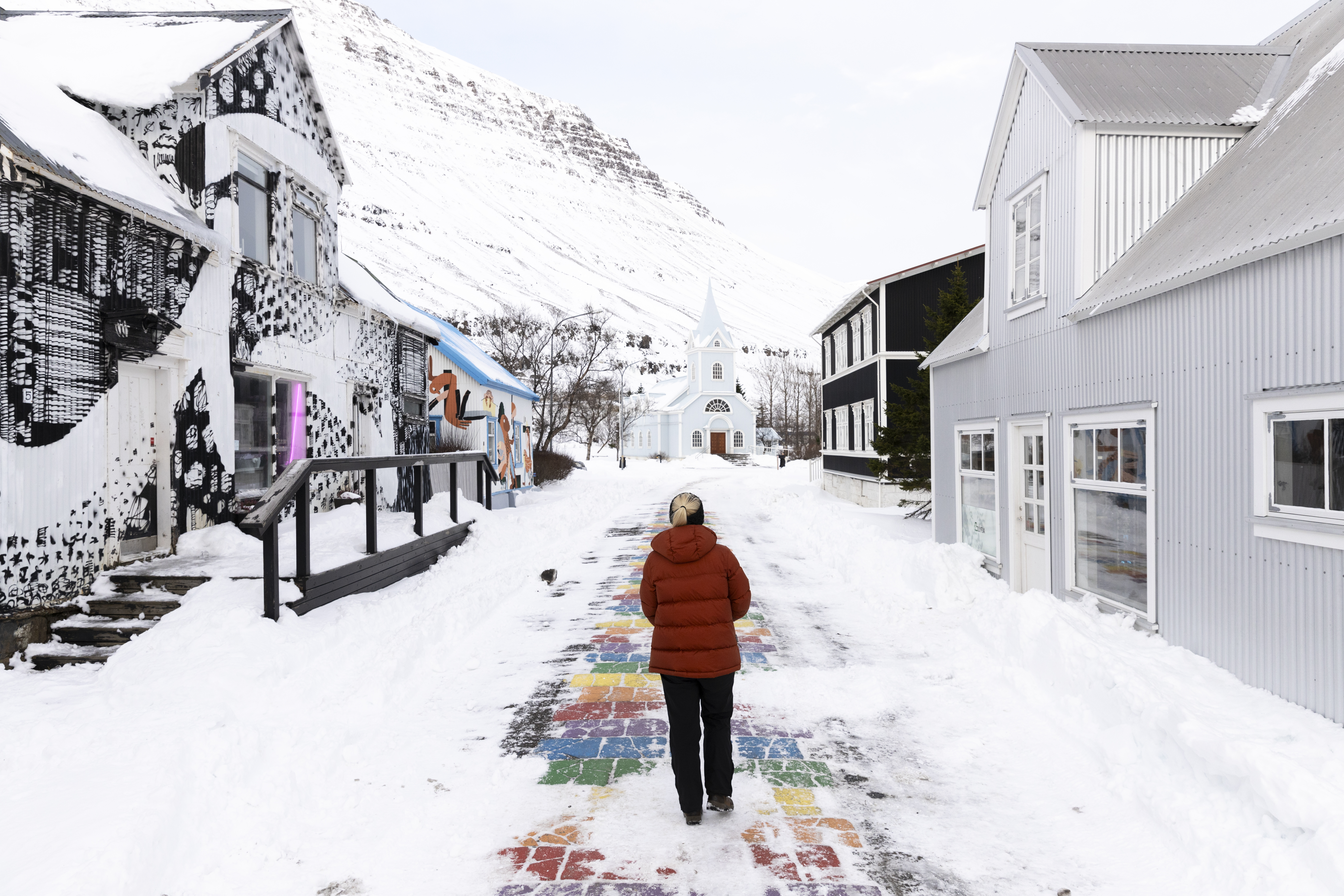
Photographer: Ragnhildur Aðalsteinsdóttir
3. Try Skiing or Snowboarding at Oddsskarð in Eskifjörður
Oddsskarð sits at up to 840 meters (2,756 feet), reached by mountain road from Eskifjörður rather than through a tunnel. The old Oddsskarðsgöng tunnel closed to general traffic in 2017, replaced lower down by the Norðfjarðargöng tunnel. Floodlights keep the two surface lifts and the beginner lift running through dark winter afternoons. Ski equipment is available to rent on-site, but it's a good idea to call ahead to check availability.
From the top, you can see the length of Reyðarfjörður and out to the sea. The runs suit everyone, from first time skiers to advanced riders. Pair a morning on the slopes with an afternoon at the Eskifjörður swimming hall to warm up.
For ski enthusiasts, East Iceland has two ski areas to explore. In addition to Oddsskarð, Stafdalur near Seyðisfjörður offers slopes for both beginners and more experienced skiers, with ski equipment available to rent on-site.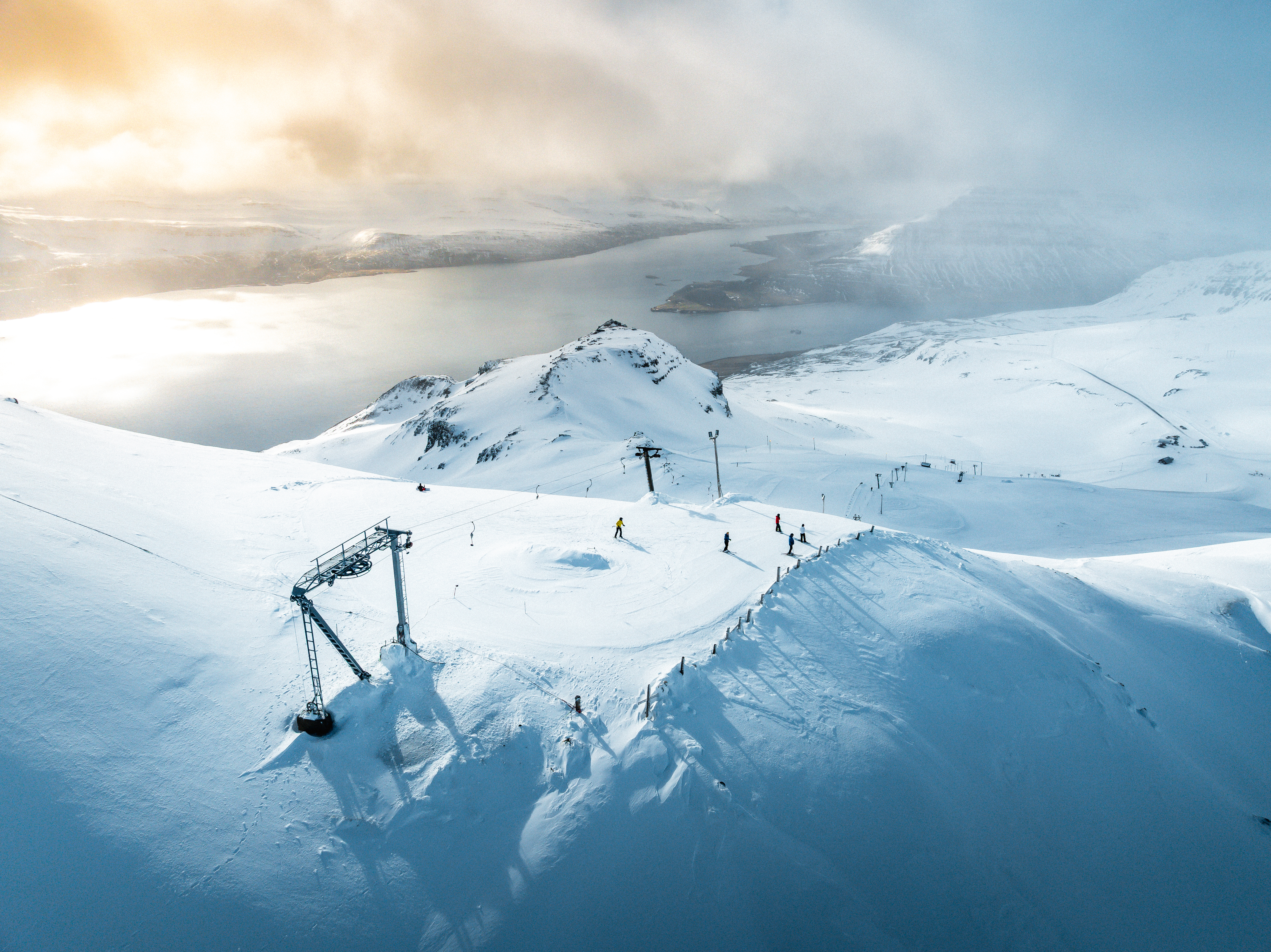
Photographer: Þráinn Kolbeinsson
4. Explore Winter Hiking and Ski Touring Near Neskaupstaður
The old Oddsskarðsgöng tunnel closed to general traffic in 2017 and was replaced by the Norðfjarðargöng tunnel, providing quicker and easier access to Neskaupstaður.
A marked trail in the Fólkvangur Neskaupstaður reserve leads to Páskahellir, a cave carved by waves. Holes in its walls come from trees buried under lava about 12 million years ago. The loop covers about 2.7 km (1.7 miles) and takes under an hour. The coastal trail suits casual winter walkers wanting mountain and sea views without technical gear. In winter, the metal staircase to the cave often ices over or fills with snow. Many visitors view it from the cliffs above rather than climbing down.
The peaks around Oddsskarð offer guided ski touring for experienced backcountry skiers.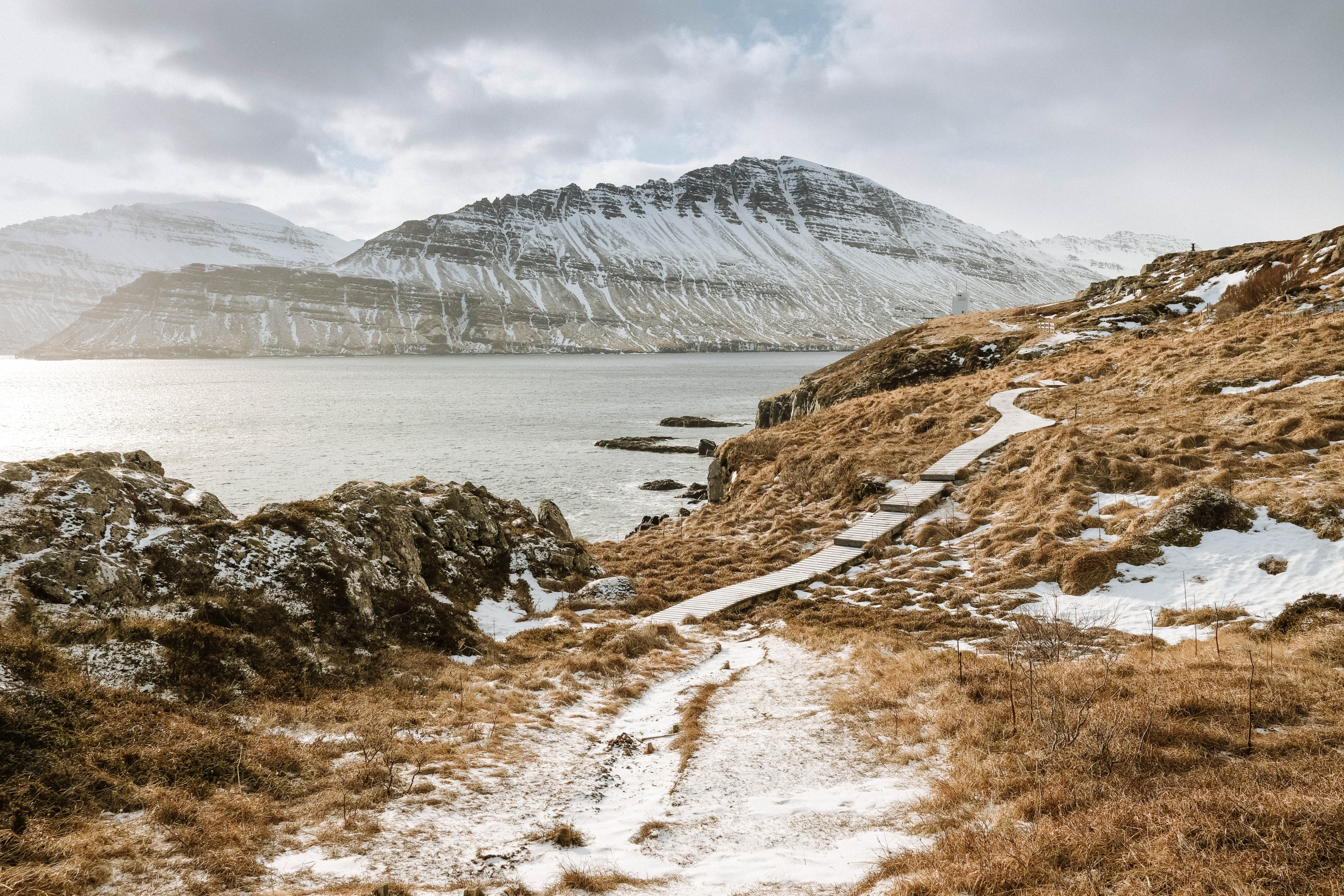
Photographer: Michael Novotný
5. Follow Forest Trails at Hallormsstaðaskógur, Near Lagarfljót
Hallormsstaðaskógur, Iceland's largest national forest, offers a peaceful escape into nature, even in winter. The trees provide shelter from the wind, making it a great place for a walk when coastal areas are more exposed. When snow blankets the forest, the surroundings become especially peaceful, offering a chance to slow down and enjoy the stillness of nature. Start at the arboretum car park, where over 80 tree species grow.
The loop takes about two hours and needs no technical gear. Pack microspikes for traction on icy sections of the path. At Lagarfljót, the lake beside the forest, the frozen edge makes a good spot for photos.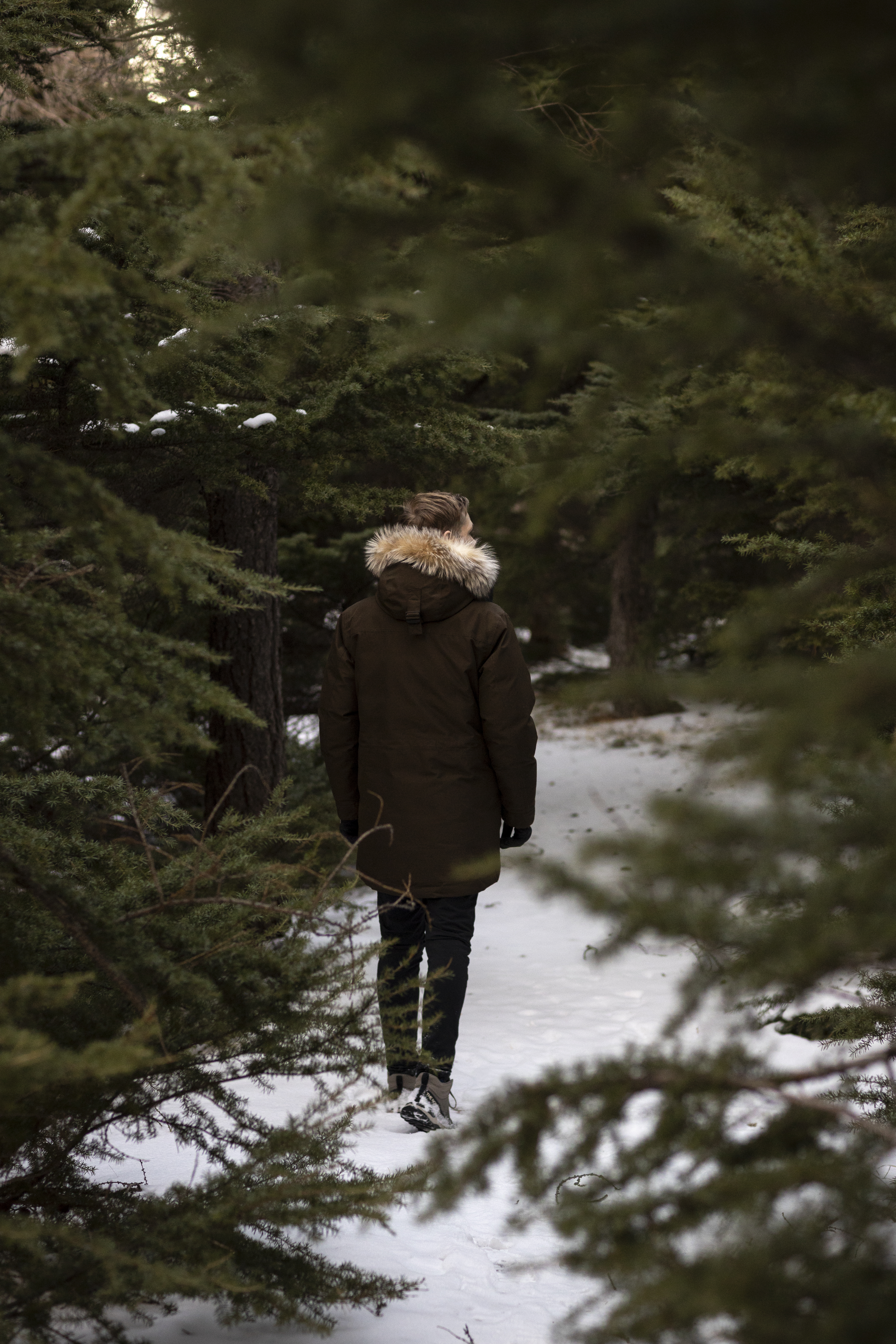
Photographer: Ragnhildur Aðalsteinsdóttir
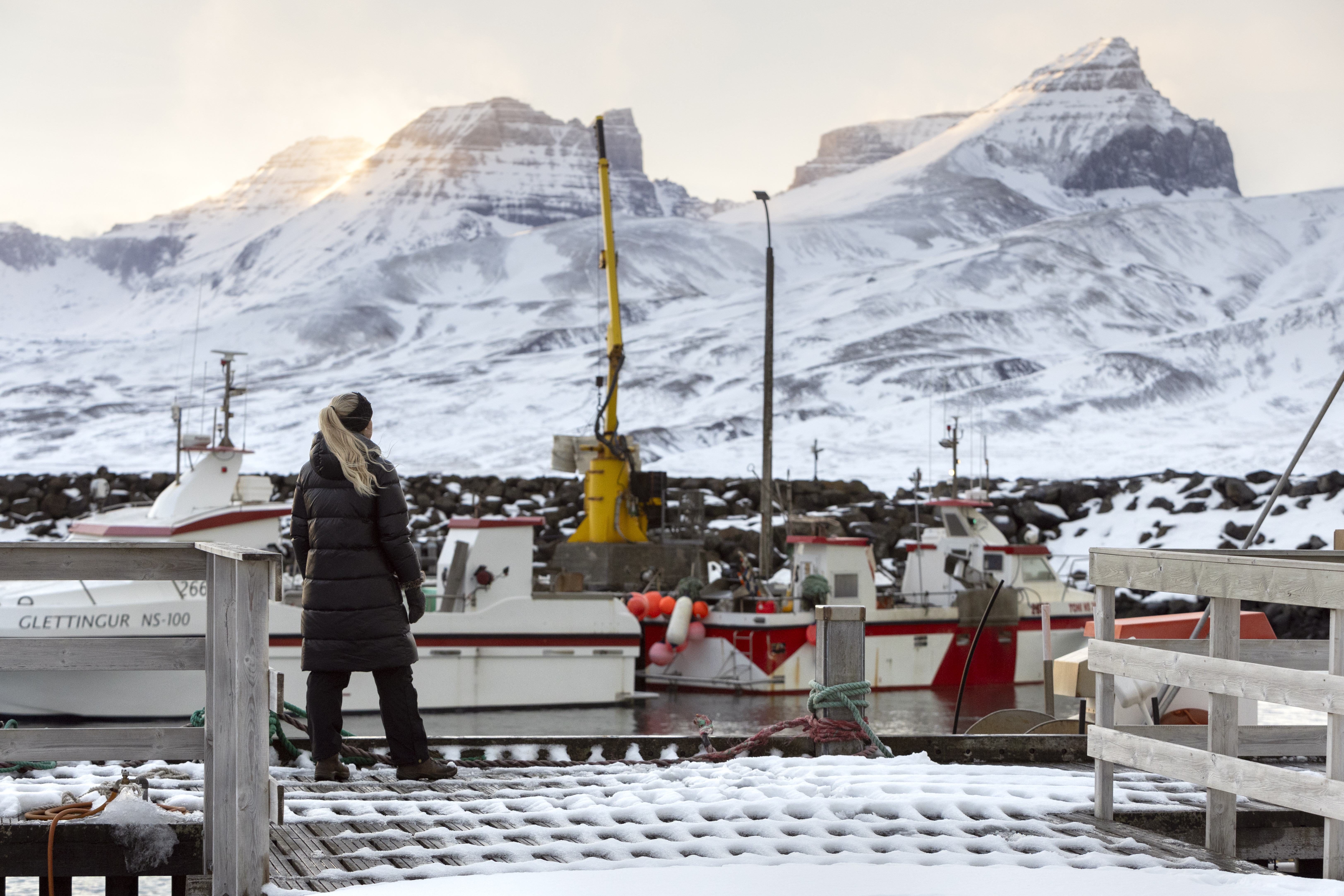
6. Drive the Winter Coast Through the east fjords
Follow Route 1 south from Reyðarfjörður to Fáskrúðsfjörður, Stöðvarfjörður and Breiðdalsvík for a rewarding winter coastal drive.
Discover charming fishing villages, breathtaking coastal views and peaceful little communities surrounded by stunning winter scenery. Snow covered mountains rise directly from the fjords, creating a magical landscape, while the quiet villages offer a chance to slow down, enjoy the stillness and experience the authentic atmosphere of East Iceland in winter.
Take time to explore each village, enjoy the sea views and soak up the peace and tranquillity. In Fáskrúðsfjörður, look out for the bilingual street signs and historic buildings that tell the story of the French sailors who once worked there.
Allow plenty of time for the journey so you can enjoy the scenery and make spontaneous stops along the way. Always check the weather and road conditions before setting off, stay flexible with your plans and remember that winter conditions may affect travel times. Route 939 is generally closed during winter, so stick to Route 1.
Photographer: Ragnhildur Aðalsteinsdóttir
7. Look for Wild Reindeer in East Iceland
East Iceland is the only region in the country with wild reindeer. During winter, some herds descend from the highlands into lower valleys and coastal areas, they may be seen along the Ring Road.
Sightings are never guaranteed. Never stop on the road or approach the animals. Pull into a safe parking area and observe them from a distance. The East Iceland Heritage Museum in Egilsstaðir has a permanent exhibition about the region’s reindeer.
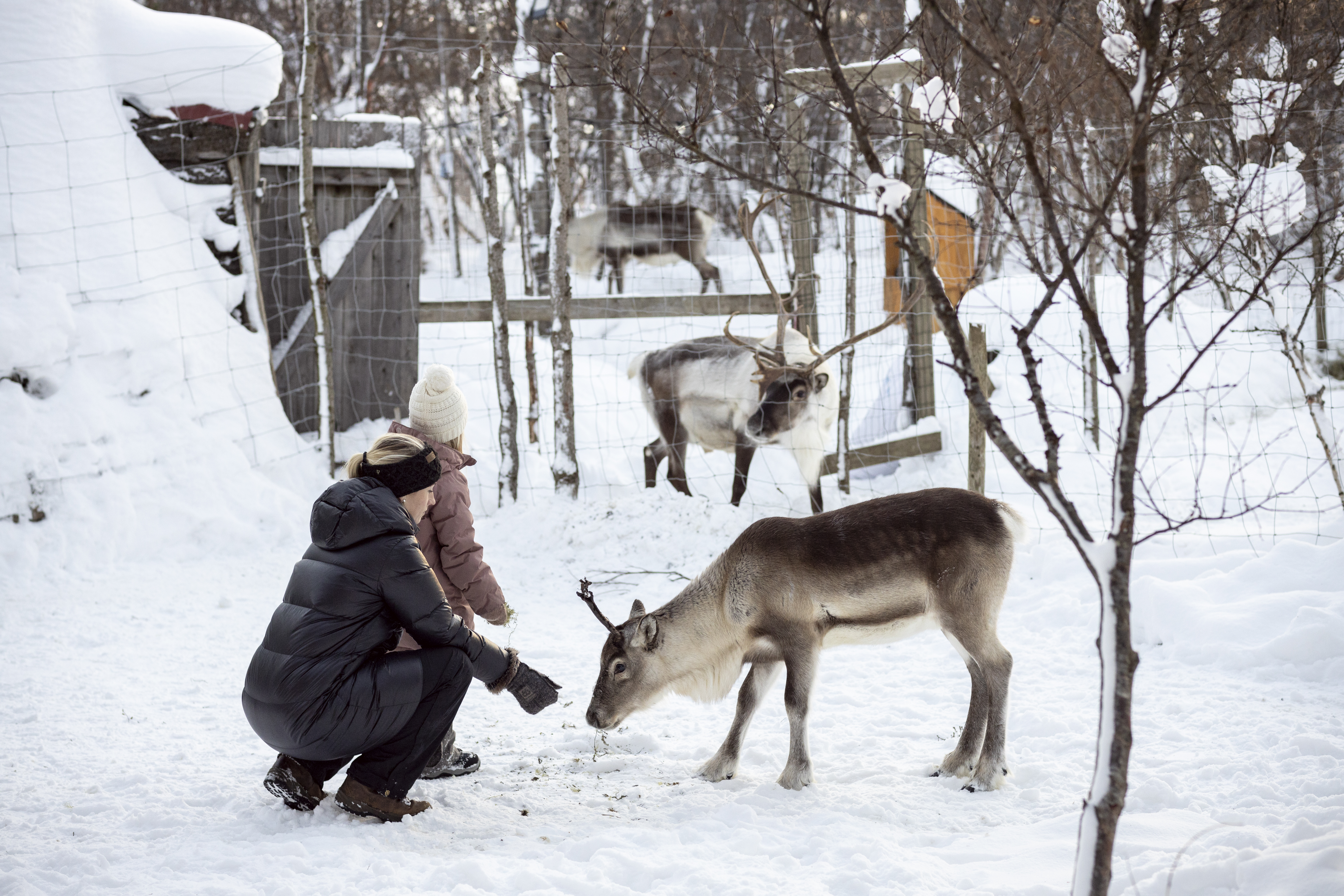
Or visit the Reindeer Sanctuary, where you can see reindeer up close, learn about their fascinating history in East Iceland, and even get the chance to feed them. It's a wonderful way to experience these beautiful animals and learn more about their connection to the region.
Photographer: Ragnhildur Aðalsteinsdóttir
A Flexible Three Day East Iceland Itinerary
Winter weather and limited daylight can affect any itinerary in East Iceland, but don't let changing conditions stop you from embracing the adventures each day has to offer. Treat this three day plan as a starting point, check the weather forecast and road conditions each morning, and stay flexible. Sometimes plans change, but that can lead to unexpected discoveries and memorable experiences. After all, sometimes Plan B turns out to be the best adventure of all!
Day 1: Forest, Culture and Geothermal Water
Start at the East Iceland Heritage Museum, then use the best daylight for a short Hallormsstaðaskógur walk. Return toward Egilsstaðir and visit Vök Baths in the late afternoon. Keep the evening free for northern lights watching if the sky clears. End the day with a delicious meal at a local restaurant or stop by Askur Taproom to sample some locally brewed craft beer. If the skies are clear, keep an eye out for the northern lights to round off a memorable winter day.
Day 2: Seyðisfjörður or an Inland Alternative
Check Route 93 before breakfast. When conditions are suitable, spend the daylight hours in Seyðisfjörður and return without rushing. If the pass is closed, drive Route 931 into Fljótsdalur valley instead, which stays plowed through winter.
Stop at Skriðuklaustur to see the 16th century monastery ruins and the former home of author Gunnar Gunnarsson. The on site café closes for the season from mid-October through March, so bring your own hot drink and food along for the ride.
Hengifoss can be added only when trail and weather conditions are suitable. The hike is more demanding in winter, when snow and ice can make the path slippery and slow, so allow extra time and bring proper traction. If conditions are not good enough for the full hike, keep the day focused on lower elevation stops around Fljótsdalur and Lagarfljót instead.
Day 3: Choose Wildlife, Snow or the Coast
Spend your third day exploring the charming fishing villages and stunning coastal landscapes of the East Fjords. Drive from Egilsstaðir towards Reyðarfjörður and Eskifjörður, taking time to wander through the villages, enjoy a warm cup of coffee and admire the surrounding mountains and fjords.
Depending on the weather and your interests, continue to Neskaupstaður or head south towards Fáskrúðsfjörður, known for its French heritage. If you're looking for a little more adventure, skiing at Oddsskarð is another great option when conditions allow.
Take your time, enjoy the peaceful winter atmosphere and let the weather guide your day.
Where to Base Yourself in Winter
Where you stay affects how much of East Iceland you can realistically explore in winter. A great way to experience the region is to choose one place as your base and enjoy day trips from there, keeping your plans flexible and letting the weather and road conditions help shape each day's adventure. This allows you to explore at a relaxed pace, make spontaneous discoveries and enjoy whatever opportunities the day brings.
Egilsstaðir works well as a central base for day trips, visits to Vök Baths and northern lights viewing. Seyðisfjörður offers a charming coastal atmosphere, with highlights such as Rainbow Street, the swimming hall and Skaftfell Center for Visual Art. Just remember to allow flexibility when travelling along Route 93.
Eskifjörður is a great choice for those interested in skiing at Oddsskarð, exploring the surrounding fjords and enjoying the local swimming pool.
Wherever you choose to stay, there's no need to rush from one place to another. Settle in, explore the surrounding area and embrace the freedom to adapt your plans. Sometimes the most memorable experiences are the ones you hadn't planned at all.
Tips for Visiting the East Fjords in Winter
Iceland in winter rewards travelers who plan ahead for road conditions, weather, and daylight hours. A few simple steps can make East Fjords adventures safer and easier.
- Check road and weather conditions in Iceland before every drive.
- Plan around limited daylight.
- Keep one indoor or nearby alternative each day.
- Avoid committing to several distant towns in one day.
- Confirm winter opening hours directly.
- Carry warm layers, waterproof clothing, and traction aids.
Why the East Fjords Stand Apart
Winter in the East Fjords brings together snowy mountain roads, small coastal towns, geothermal bathing, and the possibility of seeing wild reindeer or the northern lights. It takes more preparation than visiting Iceland's busier routes, but travelers who remain flexible will come away with a trip few others attempt. Start planning your route with the full list of East Fjords destinations.
Whether you're travelling by car or flying from Reykjavík, there are several ways to reach the region. Check out our How to Get to East Iceland guide for helpful travel information and tips on planning your trip.

Which East Fjords winter activities are least affected by bad weather?
Geothermal soaking at Vök Baths and indoor stops hold up best in bad weather. The local swimming pools stay open regardless of snow or wind.
What wildlife can you see in East Iceland besides reindeer during winter?
Arctic foxes live year round in East Iceland. Only about a third turn white in winter, while the rest stay a smoky brown or gray year round, so sightings are easy to miss even close up.
Can you visit Seyðisfjörður as a winter day trip from Egilsstaðir?
Yes, Seyðisfjörður is about 30 minutes from Egilsstaðir over Route 93. Check weather and road conditions before crossing, since the pass can close in winter storms.
What can you do in East Iceland if Route 93 closes?
If Route 93 closes, drive Route 931 into Fljótsdalur valley or visit Hallormsstaðaskógur and Vök Baths instead. All three stay accessible from Egilsstaðir without crossing the pass.
How many winter activities can you realistically fit into one day?
Most travelers manage two activities per day in winter, given four to eight hours of daylight. Pairing a hike or ski session with a geothermal soak works well without rushing.