
The Ultimate Guide to East Iceland Winter Photography

Winter Landscapes of East Iceland: A Photographer’s Dream
For anyone drawn to Iceland winter photography, Austurland offers a landscape that feels both intimate and vast. It’s a place where fjords hold onto the last pastel light of day in winter. Here, photographers find dramatic scenery at every turn. They also discover quiet beauty in small towns, frozen waterfalls, and windswept shores.
Pack your camera and visit Iceland’s eastern region for the best winter photography opportunities.
Why East Iceland Is Perfect for Winter Photography
Austurland remains one of the country’s least-traveled regions in the winter months, and that solitude is part of its appeal. The island’s south coast may draw crowds to Diamond Beach and its glittering chunks of ice. But the east offers a calmer, more spacious canvas. Here, a landscape photographer can wander among fjords, forests, and fishing villages, often without sharing a viewpoint with anyone else.
This quiet corner of Iceland invites a slower way of sightseeing. Its winter days unfold with gentle beauty. Expect soft light across the mountains and stillness settling over valleys and harbors. The region feels open and unhurried. And that’s exactly what allows photographers to explore freely and appreciate the details of a true winter landscape.
Winter Light and Seasonal Conditions: What to Expect in the Winter Months
Winter in East Iceland carries a distinct rhythm. Days are short, yet they often feel generous to photographers. The sun stays low, creating long stretches of soft and flattering light. Alpenglow may paint snowy peaks in reddish-pink tones before sunrise or after sunset. Sunrises and sunsets often linger, adding gentle and golden warmth to winter days.
Weather and travel conditions shift quickly in this region:
- Clear skies may turn cloudy within minutes.
- Calm mornings can change to snow showers later in the day.
- Mountain passes sometimes close during heavy snow.
- F-roads remain closed for the entire winter season.
- Icy roads are common, especially in shaded or elevated areas.
- Wind conditions vary, and strong gusts can affect driving.
Checking the weather forecast and road updates is essential for safe travel. SafeTravel.is is also a great resource for winter preparation and alerts.
Night brings its own rewards. Cold, crisp air can create excellent visibility. Low light pollution helps reveal brighter stars and stronger aurora displays when skies stay clear. The Northern Lights in Austurland may appear slowly or arrive suddenly, so patience becomes part of the experience.
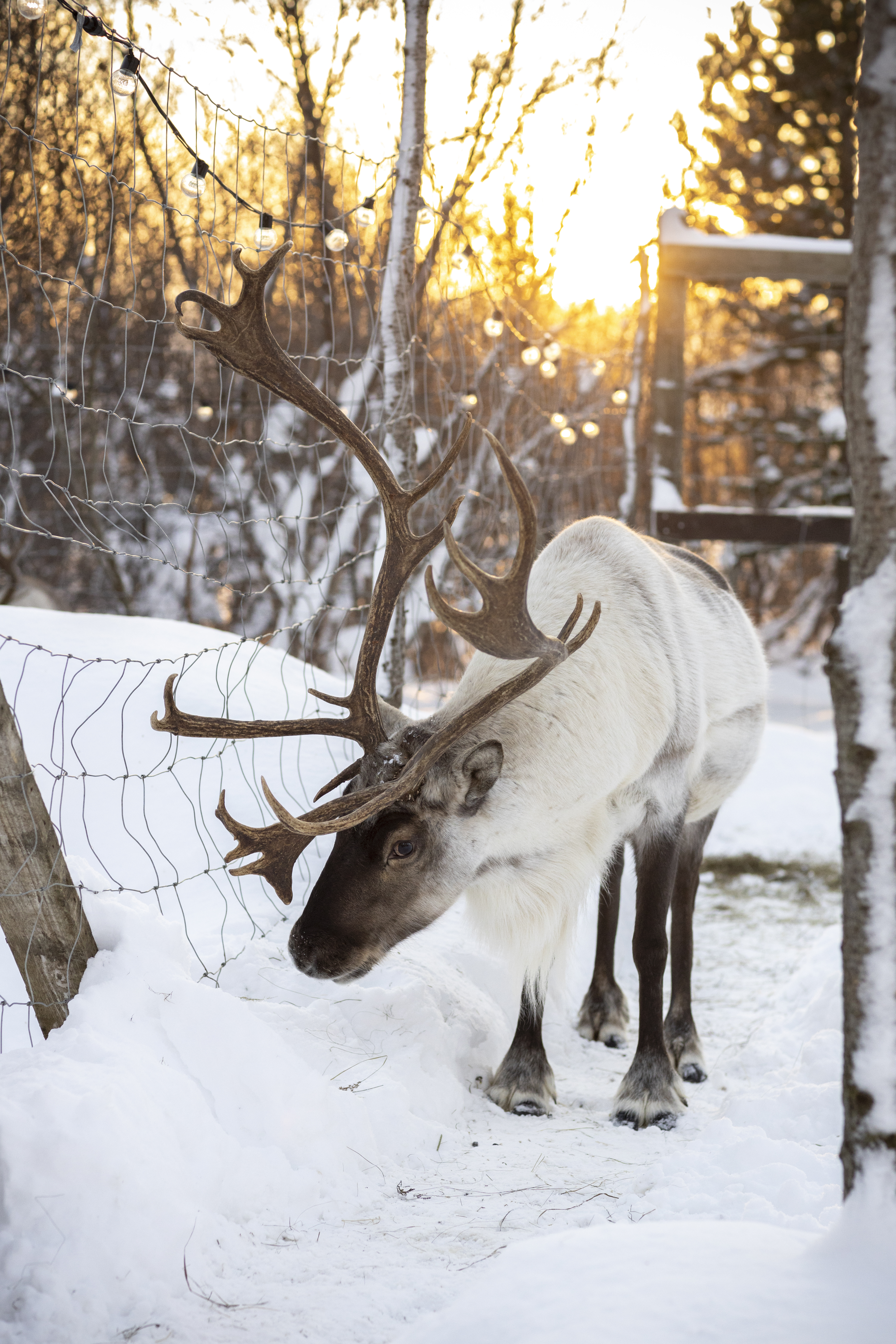
Location: Egilsstaðir, Reindeer Park Photographer: Ragnhildur Aðalsteinsdóttir
Top Photography Locations in East Iceland’s Winter Landscape
East Iceland offers many winter scenes worth exploring. Visit these locations to capture unique light, textures, and quiet winter landscapes.
1. Stuðlagil Canyon
A basalt masterpiece carved by the Jökla River, Stuðlagil Canyon feels almost otherworldly in winter. Snow settles into its geometric columns, creating stark contrasts and patterns that suit both close compositions and wide-angle lens shots.
Access can be limited by snow and ice. So, the safest winter option is a Super Jeep tour in East Iceland. Even from the above viewpoints, the canyon offers breathtaking scenes worth photographing.
2. Gufufoss Waterfall
Just outside Seyðisfjörður, this powerful waterfall barrels over a dark cliff face, often framed by fresh snow. Some say Gufufoss is the Skógafoss of Austurland, and there’s no better way to prove that than seeing it yourself.
Given its quiet surroundings, Gufufoss offers a great spot for practicing slow-shutter techniques without the crowds. Just keep in mind that mist can freeze on camera equipment, so keep lens cloths handy.
3. Gljúfursárfoss
Tucked into a narrow northern valley, Gljúfursárfoss feels intimate and atmospheric. Ice often forms in delicate ribbons along the canyon walls. The waterfall cascades into a deep canyon that leads directly to the sea, which is another worthy photo stop. For landscape photographers, the area offers leading lines and soft winter light that are a delight to capture.
4. Vattarnesviti and Vattarnes Sea Cliffs
Vattarnesviti, a bright orange lighthouse with a red top, creates a bold contrast against white snow and the surrounding sea. The land around the lighthouse is private. So, photos are best taken with a telephoto lens from the nearby Vattarnes sea cliffs. A wide-angle lens works well for the coastline and surrounding mountains.
For smaller lighthouses with similar moods (sometimes with closer access when safe), consider Hafnarvesviti or Æðarsteinsviti.
5. Meleyri Black Sand Beach
Near the small town of Djúpivogur, Meleyri Beach offers a minimalist winter landscape. Black sand rests below quiet, snowy mountains, creating simple and striking contrasts. Seashells scattered across the shore make beautiful foreground elements for winter compositions. Visit during sunrise or sunset for soft golden light that enhances the scene for the best Iceland winter photography.
6. Seyðisfjörður
A fjord embraced by steep mountains, Seyðisfjörður becomes especially magical in winter. Pastel-colored houses peek through the snow, and the iconic Blue Church stands bright against the surrounding slopes. On clear nights, the Northern Lights may dance above the fjord and reflect in its calm waters. Walking through town feels like photographing a fairytale-like town, with quiet streets and warm lights around every corner.
7. Geirsstaðakirkja
Geirsstaðakirkja, a reconstructed Viking-era turf church, offers a unique cultural moment in any winter photography journey. Snow resting on its grass roof and dark timber walls creates a quiet, timeless scene. The church sits alone in a vast snowy landscape, looking cold yet striking and deeply memorable. It’s a great opportunity to capture a bit of Iceland’s heritage in its winter coat.
8. Hallormsstaður National Forest
Hallormsstaður National Forest, Iceland's largest, surprises many winter travelers. Snow-covered trails and birch-lined paths reveal a softer side of East Iceland. Views across Lagarfljót Lake add quiet depth to this peaceful setting. On calm days, mist rises from the lake and softens the entire scene. For photographers, the forest offers gentle light, simple compositions, and a welcome contrast to Iceland’s more windswept winter landscapes.
9. Vök Baths
For a final contrast, Vök Baths provides warmth against the winter cold. Steam rises from the floating pools and drifts gently over the icy surface of Lake Urriðavatn. From a photographer’s perspective, the interplay of light, steam, and snow creates gently surreal images. It offers a quiet, relaxing end to a day of photographing East Iceland.
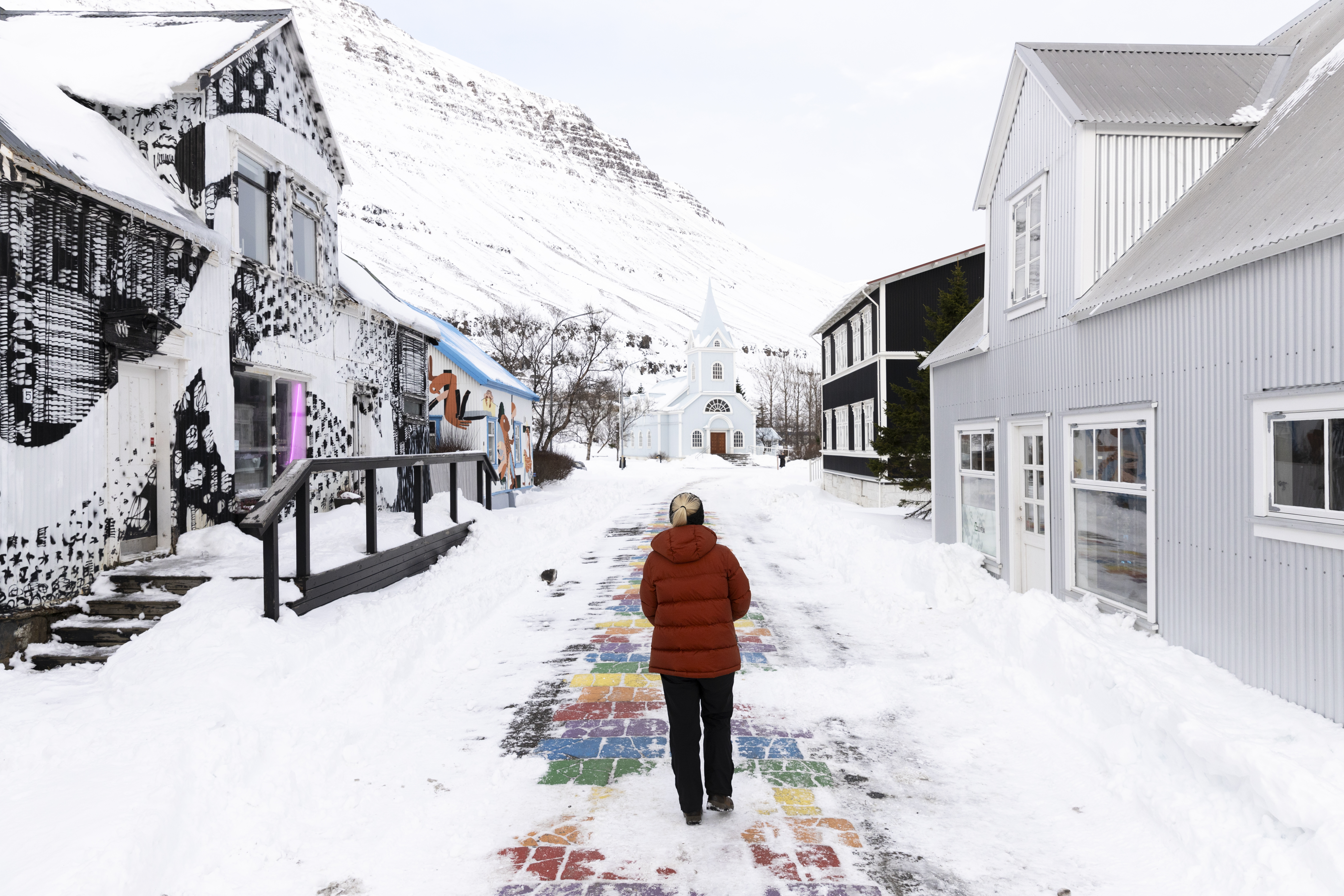
Location: Seyðisfjörður Photogapher: Ragnhildur Aðalsteinsdóttir
Chasing Northern Lights: Tips for Aurora Forecasts, Timing, and Conditions
Winter is the prime season for Northern Lights, and Austurland’s low population density means darker skies and broader, unobstructed views. Clear nights can reveal vivid arcs of green and soft waves of violet, especially in the eastfjords and open valleys.
To improve your chances of capturing the aurora:
- Check the aurora forecast; a rating of 3 or more signals good activity.
- Watch cloud cover closely; even short, clear windows can reveal activity.
- Seek dark areas away from streetlights and busy roads.
- Use a sturdy tripod to keep long exposures sharp.
- Use a red headlamp for night vision and avoid disturbing others.
- Choose a wide-angle lens, ideally with an aperture of f/2.8 or faster.
- Start with simple settings: ISO 1600–3200, f/2.8, and a 15–30 second shutter.
Patience is key. The auroras may arrive quietly, then suddenly sweep across the sky in waves of green and violet.
Fjords and Coastal Views: Capturing East Iceland’s Dramatic Scenery
East Iceland’s fjords rank among the region’s most rewarding winter photography locations. Their steep slopes catch light in different ways throughout the day. Drifting snow, soft reflections, and slow-moving sunrises also create scenes that shift with every hour.
Some of the most accessible and rewarding fjords in winter include Seyðisfjörður, Borgarfjörður Eystri, and Fáskrúðsfjörður. Each offers quiet harbors, snowy mountains, and easy vantage points for photographers.
For the best Iceland winter photography, try capturing:
- Calm mornings when the fjord becomes a perfect mirror
- Sunrises and sunsets that wash the mountains in golden light
- Clear nights when the Northern Lights reflect across the water
Each fjord feels like a world of its own, shaped by weather, water, and winter light.
Gear and Techniques: Wide-Angle Lenses, Settings, and Cold-Weather Tips
Winter photography in East Iceland becomes easier with the right equipment and a few simple techniques. These notes help you stay prepared, comfortable, and ready for changing light.
Essential gear for winter photography
Bring gear that handles cold conditions well and supports long hours outdoors.
- Wide-angle lenses for waterfalls, auroras, and broad fjord views
- Telephoto lenses for distant peaks or winter wildlife
- Spare batteries, since cold temperatures drain power quickly
- A microfiber cloth for removing ice crystals or moisture
- Waterproof boots and warm layers for cold and windy days
Cold-weather photography tips
Small adjustments help protect your gear and keep you comfortable in winter conditions.
- Keep batteries warm by storing them close to your body.
- Use gloves with a grip for safe handling in windy conditions.
- Secure your tripod well, since gusts can shake long exposures.
- Avoid sudden temperature changes to limit lens fog and moisture buildup.
Photography techniques and settings
Winter landscapes benefit from thoughtful composition. Combine simple foreground elements—like frozen pools, seashells, or snow patterns—with tall mountains or sweeping coastlines. A wide-angle lens creates depth, while a telephoto lens isolates winter details.
Start with:
- ISO 100–400 for daytime landscapes
- Aperture f/8–f/11 for sharp scenes
- A sturdy tripod for low light or long exposures
For satisfying East Iceland winter photography results, adjust your settings as the light shifts. Winter days offer soft tones and slow transitions, giving you time to refine each shot.
Driving the Ring Road in Winter: Safety, Small Towns, and Scenic Stops
The Ring Road is the main route into East Iceland, yet winter conditions can change quickly. Snow, wind, and shifting temperatures all affect travel. A little preparation helps keep the journey safe and enjoyable.
Before setting out:
- Check road.is for closures or difficult conditions
- Keep your fuel tank full, especially between small towns
- Drive carefully on icy stretches and higher mountain passes
- Allow extra time, since winter travel moves at a slower pace
- Register your travel route on safetravel.is for added safety
Small towns like Egilsstaðir, Seyðisfjörður, Djúpivogur, and Breiðdalsvík provide safe pauses, warm Austurland cafés, and quiet winter views.
Moving gently through the region often leads to the most memorable moments. And, of course, the best East Iceland winter images.
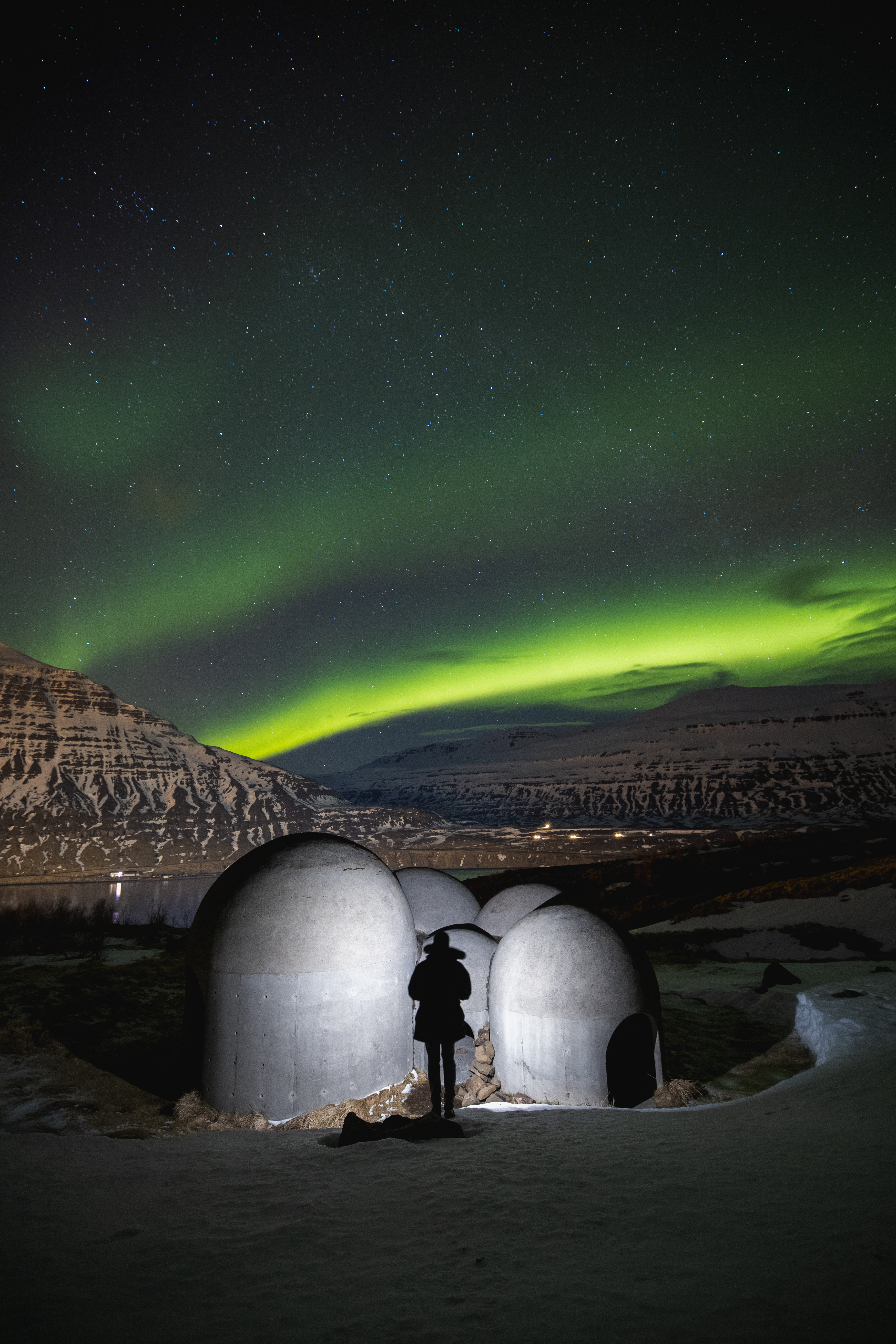
Location: Seyðisfjörður, Tvísöngur Photographer: Gunnar Freyr Gunnarsson
Capture the Serene Winter Landscapes of East Iceland
East Iceland invites you to slow down and breathe. Winter reveals soft colors, quiet fjords, and peaceful snow-covered paths. Light moves low and steady, supporting thoughtful compositions. Whether this is your first season of Iceland winter photography or a familiar return, the region offers lasting inspiration. Here, winter shapes every photograph with calm light and a steady sense of wonder.
FAQs About East Iceland Winter Photography
Is East Iceland good for winter photography?
Yes, East Iceland is a good destination for winter photography. Its fjords, waterfalls, and small towns offer diverse winter landscapes with fewer crowds and excellent potential for Northern Lights sightings.
How cold does it get in the winter months of East Iceland?
Temperatures in East Iceland usually range from –5°C to 5°C (23–41°F) in winter. Wind near fjords and sea cliffs often makes it feel colder.
Can beginners photograph the Northern Lights in East Iceland?
Absolutely. With a tripod, a wide-angle lens, and a good aurora forecast reading, even first-timers can capture the aurora in Austurland.
Do I need a 4x4 to drive the Ring Road in winter?
A 4x4 vehicle is highly recommended when driving Iceland’s Ring Road in winter. Roads can be icy, and weather changes quickly. Always check road conditions before photographing Iceland’s more remote areas.
Are there ice cave tours in East Iceland?
No, most ice cave tours happen in the south. But winter trips to Iceland allow for plenty of frozen waterfalls and snowy landscapes throughout the region.