
Whale Species and Watching Opportunities in the East Fjords

Whale Species and Watching Opportunities in the East Fjords
Most visitors to Iceland head straight to the southwest, but the East Fjords are a different story. The water here is cold and open. You rarely share it with more than one or two other boats. Whale watching here is quieter and feels more personal than what you find further west.
In East Iceland, it's often possible to spot whales from the road while driving through stunning landscapes and looking out over the sea. It's always a good idea to ask locals if there have been any whale sightings in the area and which roads they recommend driving for the best chance of seeing a whale.
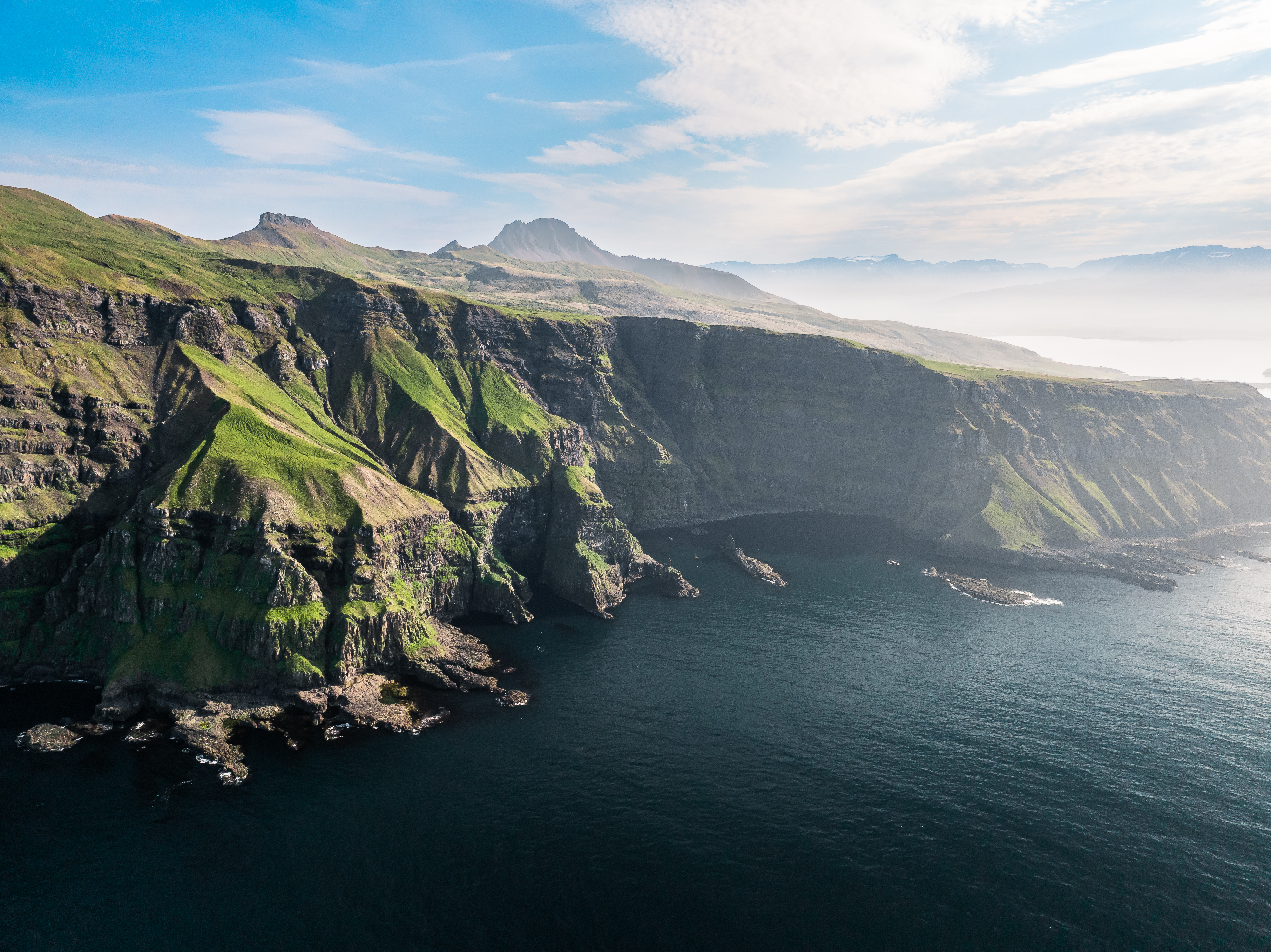
Although East Iceland doesn't offer official whale watching tours, many boat excursions provide an excellent opportunity to spot whales along the way. These trips take you through beautiful fjords, past majestic cliffs and sea caves, and offer breathtaking coastal scenery, as well as opportunities to see seals and abundant birdlife.
One of the special things about these tours is the element of surprise. While they aren't marketed as whale watching experiences, East Iceland often rewards visitors with unexpected whale sightings. When whales have been spotted in the area, boat captains will often head towards locations where they know whales have recently been seen, making the journey even more memorable.
Why Choose the East Fjords for Whale Watching?
The East Fjords are among the more rewarding places in Iceland for watching whales. A few things set it apart:
- Fewer visitors and smaller group sizes on the water
- Sheltered fjords that serve as natural feeding grounds for whales
- Small local operators who know these waters well
- Easy access to fishing villages, hiking trails, and local culture nearby
This suits travelers who prefer watching wildlife in East Iceland without crowds or commentary. Just open water, good timing, and patience.
What Whale Species Can You See in the East Fjords?
The East Fjords of Iceland offer seasonal whale watching throughout the year. The species you encounter depends on the season, sea conditions, and how far offshore your boat travels.
1. Humpback Whales
Humpback whales are the most reliably sighted large species in Icelandic waters. They grow up to 16 meters (52 feet) long and feed on krill and small fish in the cold, nutrient-rich fjords. They frequently breach, slap their flukes, and surface close to boats. Each individual has a unique pattern on the underside of its tail.
2. Minke Whales
Minke whales range from 7 to 10 meters (23 to 33 feet) and are often the first species spotted on a whale watching trip. They are present throughout the summer months but tend to be elusive, moving quickly at the surface. Sightings are usually brief, but their sleek bodies and sudden appearances make them worth watching for.
3. Orcas (Killer Whales)
Orcas pass through the fjords when herring are abundant, most often in late spring. Their tall dorsal fins and striking black-and-white coloring make them easy to identify from a distance. While sightings are less predictable, pods may be seen traveling together and occasionally hunting cooperatively in the narrow inlets.
4. Sperm Whales and Rare Giants
Sperm whales prefer deep offshore waters and are seen less frequently on standard tours. The steep drop-off along Iceland’s eastern shelf provides suitable hunting grounds for squid, their primary prey. These whales can remain submerged for up to 90 minutes, making sightings dependent on timing and patience.
Fin whales and blue whales occasionally pass through Icelandic waters. Sightings of either species in the East Fjords are rare.
Photographer: Þráinn Kolbeinsson
When Is the Best Time for Whale Watching in East Iceland?
Timing plays a key role in shaping your whale watching trip in East Iceland. Here is a breakdown of what to expect each season.
Summer (May–August)
May through August is the peak season for whale watching in the East Fjords, but June and July are the best months for whale watching in Iceland overall. Humpback and minke whales are most active during these months, and local operators run daily tours.
Late June and July stand out for longer daylight, with light stretching past 10 pm. That means you can be on the water well into the evening. Book at least a few days ahead in July. Departures fill up faster than most travelers expect.
Early Autumn (September)
September tours are still possible and sometimes come with calmer sea conditions than midsummer. Fewer visitors are around, and the lower sun angle produces long golden light in the mornings and evenings, which works well if you are also carrying a camera. An evening departure in September offers the best light for capturing the beauty of East Iceland. They also tend to have fewer people on board.
Winter (October–March)
Whale watching tours run mostly from late spring through early autumn. Winter departures are limited, and not all operators stay open past October. The East Fjords see little winter boat traffic. North Iceland is a better base for winter whale watching, where orca activity picks up between October and February. Contact local operators directly to confirm availability before planning a winter visit.
What to Expect From Whale Watching Tours in East Iceland
Local operators run small group tours, which means fewer people on the water and more room to move around the boat. Most trips last between 2 and 3 hours, though longer offshore tours are available with select operators.
Boat Types and What They Offer
- RIB Boat Tours: Fast and low to the water, RIB boats cover more ground and position you closer to wildlife. They are best suited for travelers who do not mind some wind and spray.
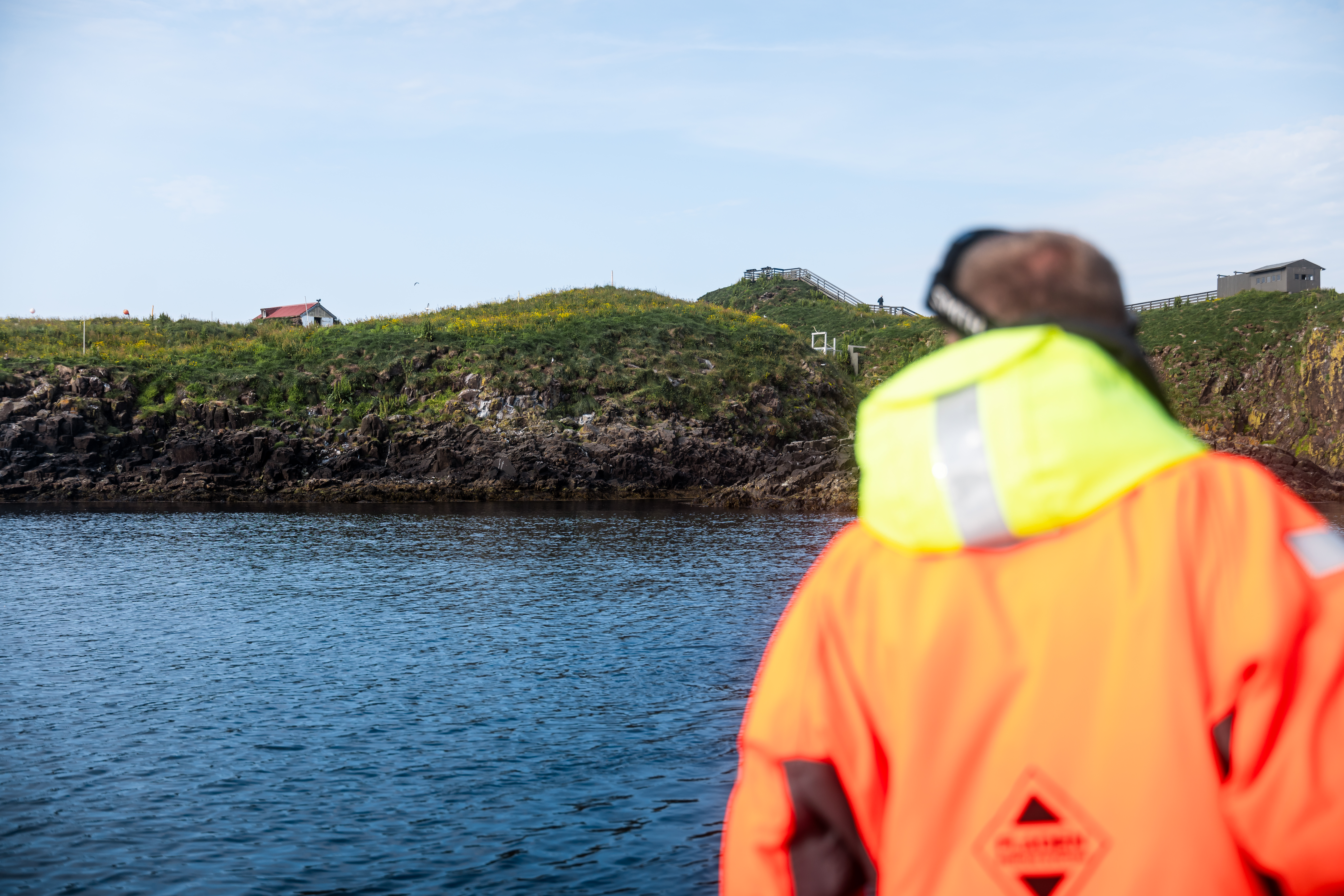
- Traditional Oak Boats: These slower vessels move quietly through the fjords and are well suited for calm observation. They carry fewer passengers and offer a more unhurried pace.
- Standard Boat Tours: Larger and more stable, standard boats are a practical choice for families, older travelers, or anyone who prefers a steadier ride.
Travel Tips for Whale Watching in East Iceland
A few practical things to know before you board will make the trip more comfortable. Some of them also improve your chances of a good sighting.
Practical Advice:
- Dress in layers: sea air stays cold even in summer
- Bring binoculars: they make a real difference for distant sightings
- Choose morning tours: seas are usually calmer, and visibility is better
- Book with local operators: they know these waters and support the community
Photographer: Þráinn Kolbeinsson
What Makes Whale Watching in the East Fjords Different
Whale watching in East Iceland is not the same experience as boarding a large tour vessel in a busy harbor. It is quieter and more direct. The coastline, fjords, and wildlife here move at a pace that rewards patience. If the East Fjords are already part of your Iceland itinerary, the water here deserves more than a glance from the road.
The same cold waters that bring whales to Húsavík and Reykjavík flow along this coast too. Boats from Djúpivogur bring you close to humpback whales, minke whales, and dolphins. Most visitors to Iceland never reach these waters.

What is the best month for whale watching in East Iceland?
June and July offer the most reliable conditions in the East Fjords, with peak whale activity, long daylight hours, and calmer seas.
What whale species can be seen in the East Fjords?
Humpback and minke whales are the most frequent visitors, though you may also spot white-beaked dolphins, harbor porpoises, and occasionally orcas or sperm whales.
How does whale watching in East Iceland compare to Húsavík?
While Húsavík is the "whale watching capital," the East Fjords offer a more intimate experience with smaller groups, less boat traffic, and a stunning backdrop of steep mountains.
Can you see whales in East Iceland during winter?
Formal boat tours run primarily from May to October. Winter visitors to East Iceland tend to focus on the northern lights and reindeer, which roam freely across the region.