
What Do East Icelanders Know About Winter That Visitors Don't?

Winter in East Iceland is more than snow-covered mountains and short days. It's a season for skiing, exploring quiet fjords, spotting reindeer, and enjoying warm geothermal waters. For locals, winter doesn't mean putting outdoor adventures on hold.
Making the most of the season requires some local knowledge that visitors might overlook. From navigating mountain passes to finding the best places for winter adventures, here's what to know about enjoying an East Iceland winter.
1. Every Winter Day Brings New Adventures
In East Iceland, a good day for outdoor activities often depends on where you go. The region's mountains, inland valleys, and coastal fjords can experience noticeably different conditions on the same day.
For example, Egilsstaðir may have calm, freezing weather while coastal communities experience stronger winds, or vice versa. Snow conditions at the Stafdalur and Oddsskarð ski areas can also differ, affecting which slopes are suitable for skiing, so be flexible and see what adventures the day will take you.
Conditions also change throughout the season. If you're visiting East Iceland in November, snowfall may still be inconsistent. Skiing and other snow-based activities generally become more reliable from January through March, depending on conditions.
Rather than committing to one outdoor activity regardless of conditions, locals check what's possible that day. A clear forecast might open up skiing or snowshoeing. Meanwhile, strong winds could make a sheltered forest walk, bathing or a visit to local East Iceland cafés more appealing.
For visitors, the useful approach is to keep some activities flexible, particularly those involving mountain terrain. Check forecasts at vedur.is and confirm conditions with local activity providers before setting out.
East Iceland winter weather doesn't have to stop you from exploring, but it should help you decide what to do and where to go.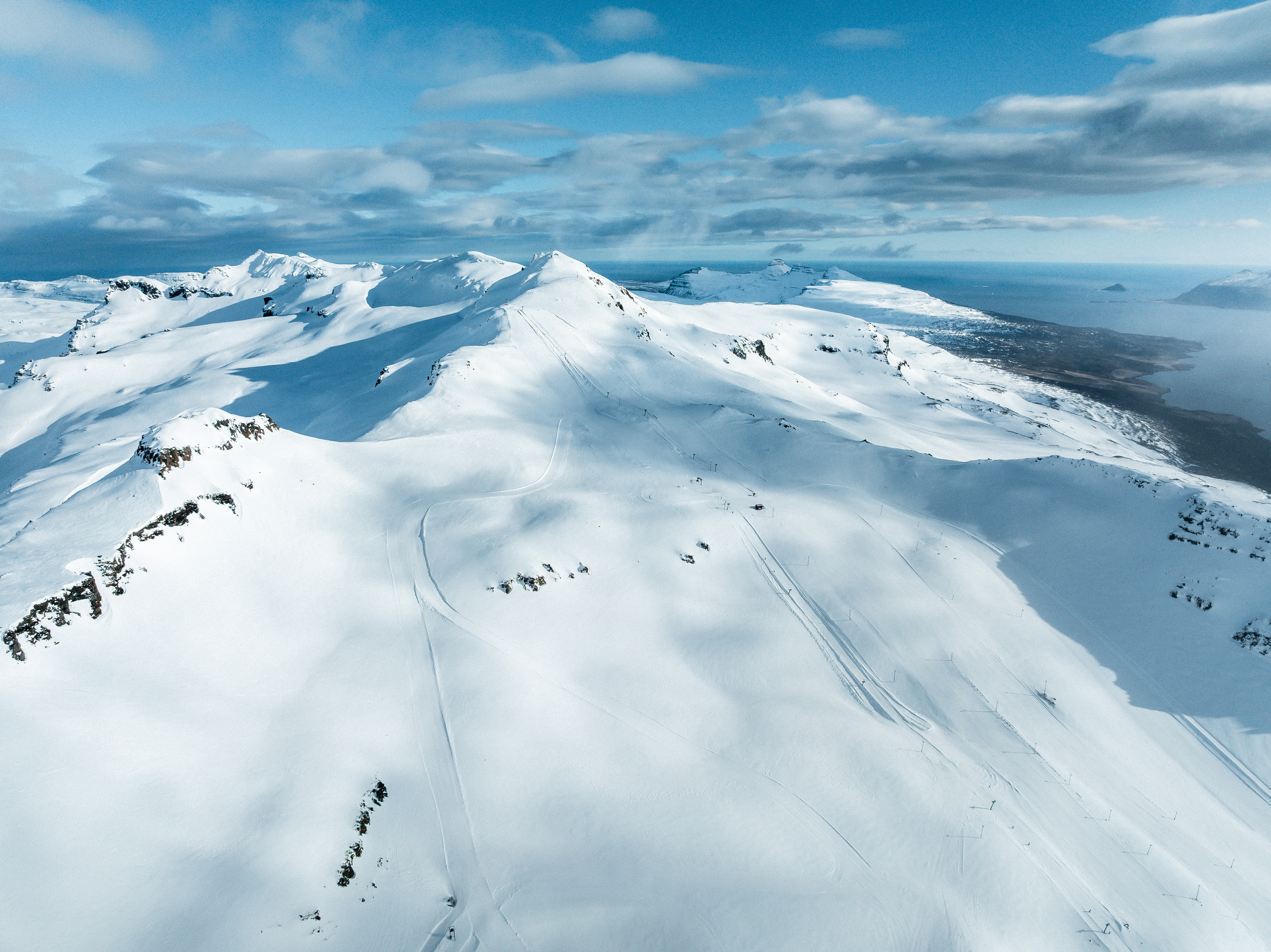
Photographer: Þráinn Kolbeinsson
2. A Short Winter Day Can Still Be a Good Day
Around the winter solstice in December, East Iceland gets only about 3–4 hours of daylight. The sun stays low, and surrounding mountains can shorten the period of direct sunlight in some valleys and fjords.
This creates a different rhythm for exploring. Activities such as skiing, winter hiking, horseback riding, and sightseeing are best planned around available daylight. A visit to a nearby attraction can be more practical than trying to cover several distant destinations.
However, winter's low sun also creates great photo opportunities. Snow-covered mountains and coastal landscapes can look particularly interesting in the soft light around sunrise and sunset.
After dark, East Iceland still offers plenty to enjoy. Visit a local restaurant or cafe, relax in a heated swimming pool, or look for the Northern Lights when the forecast is favorable.
You don't need to fill every daylight hour to enjoy winter. Choosing one or two nearby experiences can make for a satisfying day of exploring. And don't forget to slow down, relax, and enjoy the little moments along the way.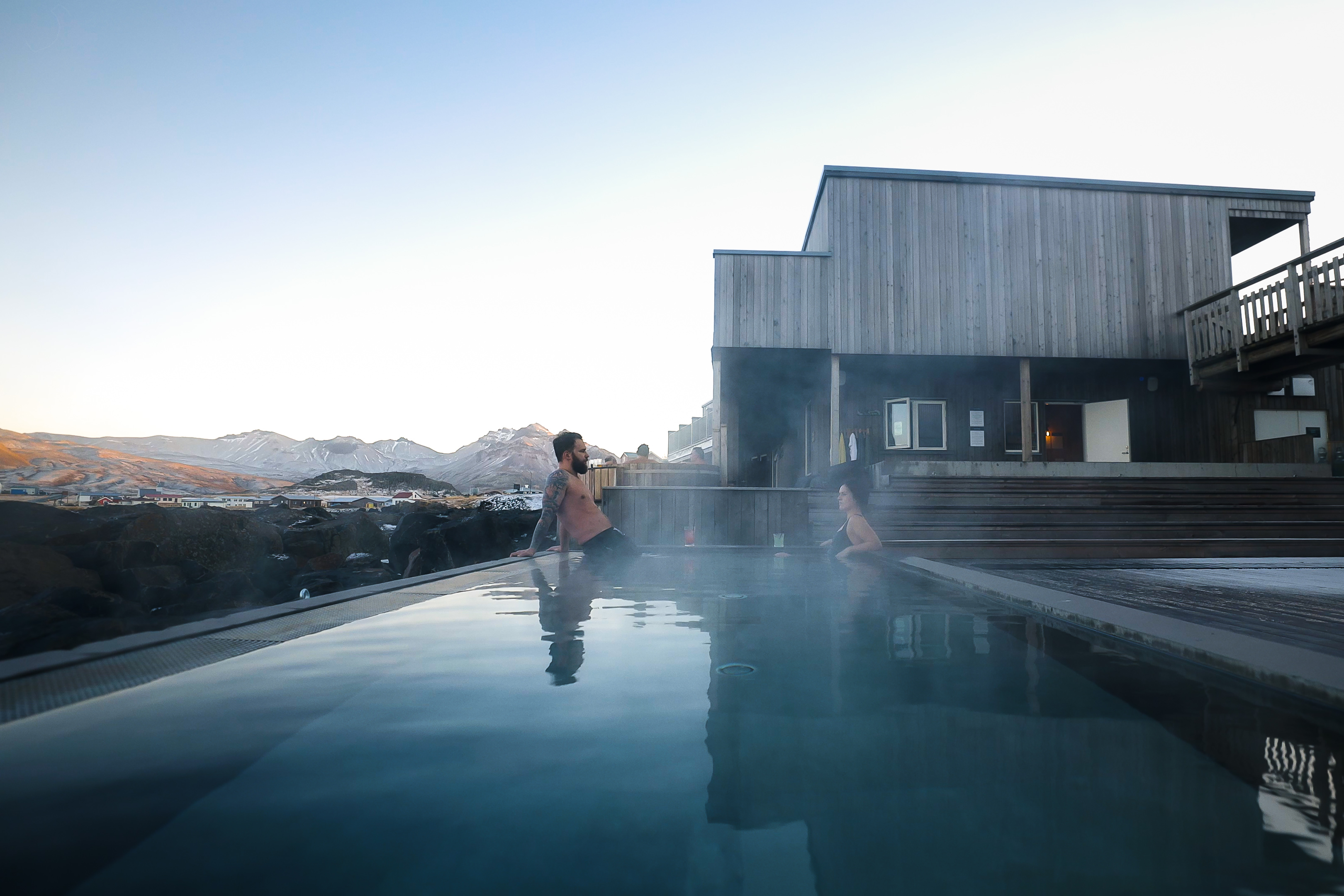
Photographer: Þráinn Kolbeinsson
3. Winter Is for Getting Outside, Not Staying Indoors
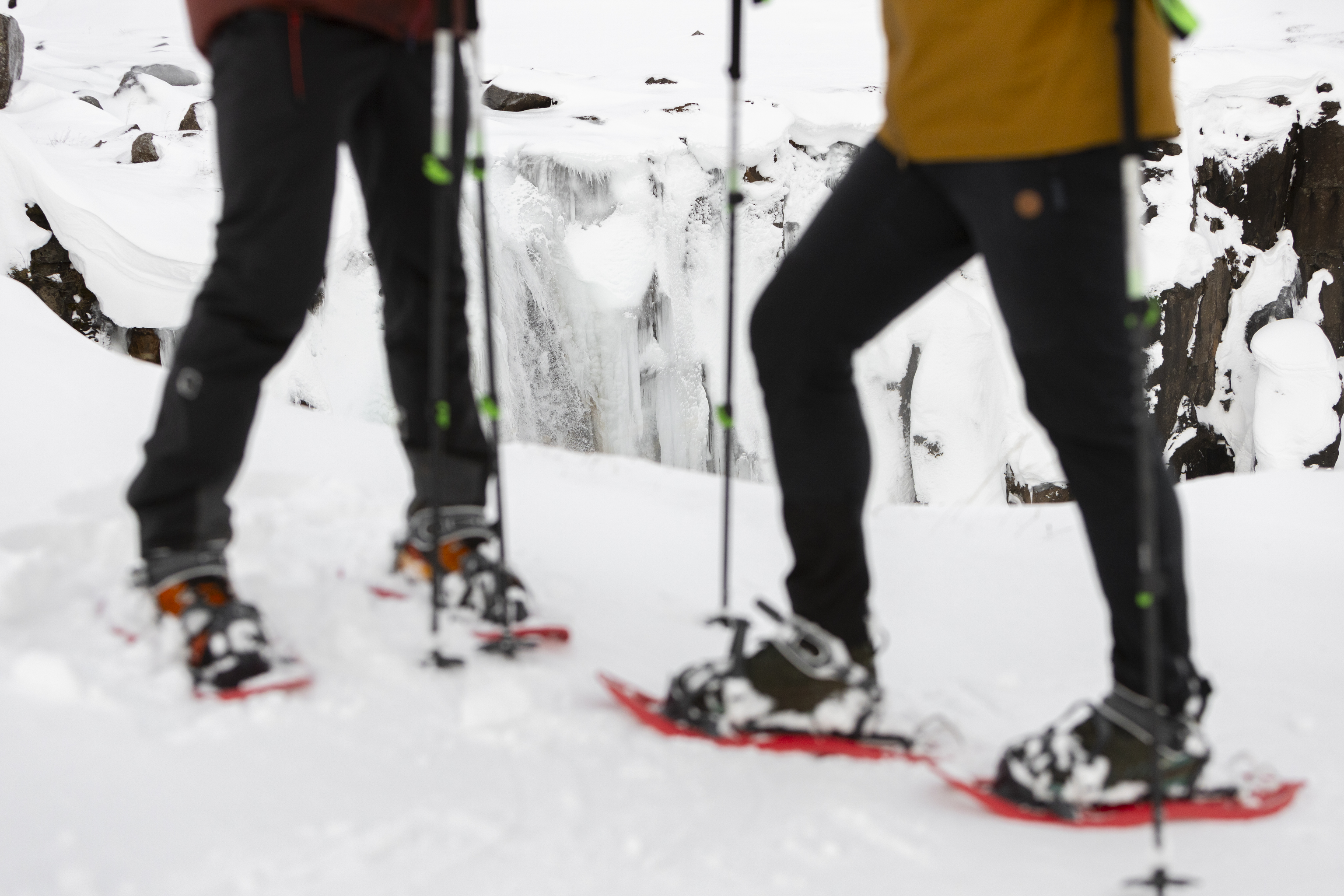
East Icelanders don't see snow as a reason to stay inside. For many, it's an invitation to enjoy activities that aren't possible during the warmer months. The region offers plenty of ways to get outdoors, whether you're looking for adventure or something more relaxed:
- Skiing and snowboarding: Hit the slopes at Stafdalur near Seyðisfjörður or Oddsskarð near Eskifjörður when conditions allow. Both are popular local ski areas in East Iceland, and ski equipment rental is available at both locations. It's a good idea to contact the ski areas before heading out to check conditions, opening hours, and equipment availability.
- Snowshoeing: Explore snow-covered valleys and open landscapes with snowshoes that help you move across deep snow. Guided excursions with Eastfjords Adventures are a good option for beginners.
- Cross-country skiing: Rent cross-country skis at Lake Hotel and head to Selskógur forest in Egilsstaðir. When snow conditions allow, you can explore skiing trails through the peaceful woodland and enjoy the beautiful winter scenery. It's best to check with locals beforehand to find out weather the trails have been prepared for skiing.
- Winter hiking: Explore snowy hiking trails and enjoy the peaceful winter scenery, crisp fresh air and tranquillity of nature.
- Horseback riding: See East Iceland's winter scenery on horseback with a guided ride from Finnsstaðir. Warm up afterward with Icelandic drinks and snacks.
- Winter jeep tours: Join experienced local guides to explore places that can be harder to reach in winter. Depending on conditions, destinations may include Stuðlagil Canyon, Hengifoss Waterfall, and remote valleys across East Iceland.
Visiting between late February and early March? Look out for the annual Austurland Freeride Festival. It's an opportunity to connect with local skiers and enjoy backcountry adventures. You can also join lively après-ski parties afterwards.
Many of these activities are also suitable for beginners, especially with a local guide. Just choose an experience that matches your skill level and the day's conditions.
Photographer: Ragnhildur Aðalsteinsdóttir
4. Flexibility And Staying Informed Are Key
One of the most useful things to know about travelling in East Iceland is that flexibility is key – it's how the locals embrace winter. Keep an eye on the weather and road conditions and plan each day around the safest and best available options.
Adventures and memorable experiences can be found around every corner. The best approach is to choose a comfortable place to stay as your base and explore the region on day trips, letting the weather and conditions guide you. Stay flexible, embrace the unexpected, and make the most of whatever each day brings. Sometimes the best experiences are the ones you never planned.
Before starting a winter road trip in East Iceland, check road.is for current road conditions and closures. Pay attention to the entire journey, rather than checking only the weather at your destination.
A few other things matter:
- Allow more driving time than you would in summer
- Make sure your vehicle has suitable winter tires and equipment
- Never enter closed roads or attempt to drive through deep snow
- Carry warm clothing, food, water, an emergency kit, and a charged phone
- Be willing to postpone a journey when conditions are unsafe, stay flexible and make the most of whatever the day brings
Winter driving can be a rewarding way to discover East Iceland's dramatic fjords and coastal communities. But the best route is always one that's safe to travel.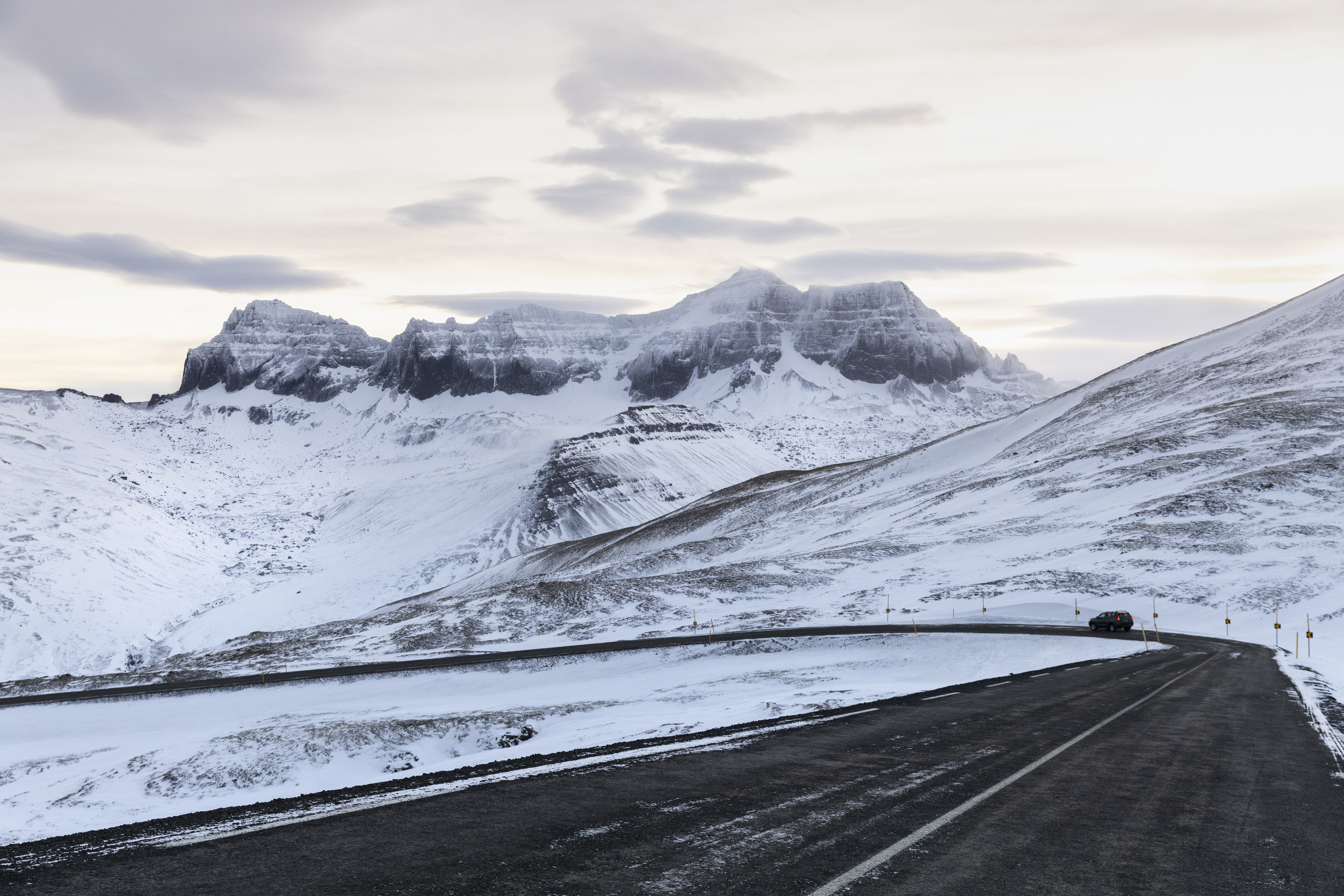
Photographer: Ragnhildur Aðalsteinsdóttir
5. Winter Is a Time to Slow Down and Enjoy Local Life
After a day outdoors, East Icelanders know the value of warming up and taking things slowly. Swimming pools and hot tubs are popular gathering places where locals relax and socialize.
For a more relaxing experience, visit Vök Baths near Egilsstaðir. Its warm geothermal pools overlook Lake Urriðavatn, making it a great place to unwind after a day of winter adventures.
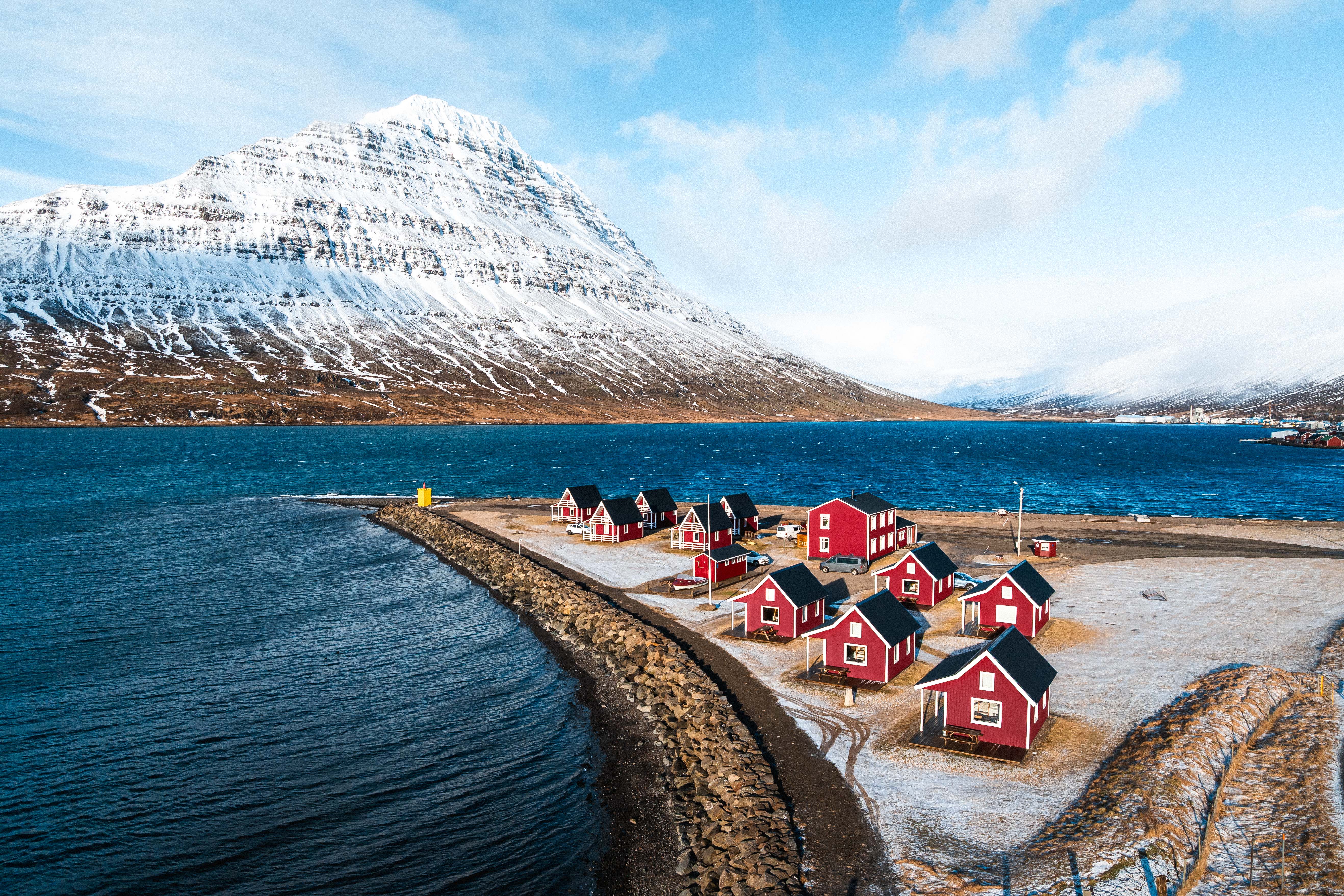
East Iceland's winter scenery also makes exploring local towns exciting. Each has its own character, with local cafés and cultural landmarks.
Here are a few places to visit when road conditions allow:
- Egilsstaðir: Browse local shops or enjoy a meal at a cozy restaurant. You can also learn about the region's history and culture at the East Iceland Heritage Museum.
- Seyðisfjörður: Stroll along Rainbow Street to the famous Seyðisfjarðarkirkja (Blue Church), passing colorful wooden houses along the way. Discover the town's vibrant art scene at Skaftfell Center for Visual Art.
- Reyðarfjörður: Stop at a local café or learn about the town's wartime history at the Icelandic Wartime Museum, subject to winter opening arrangements.
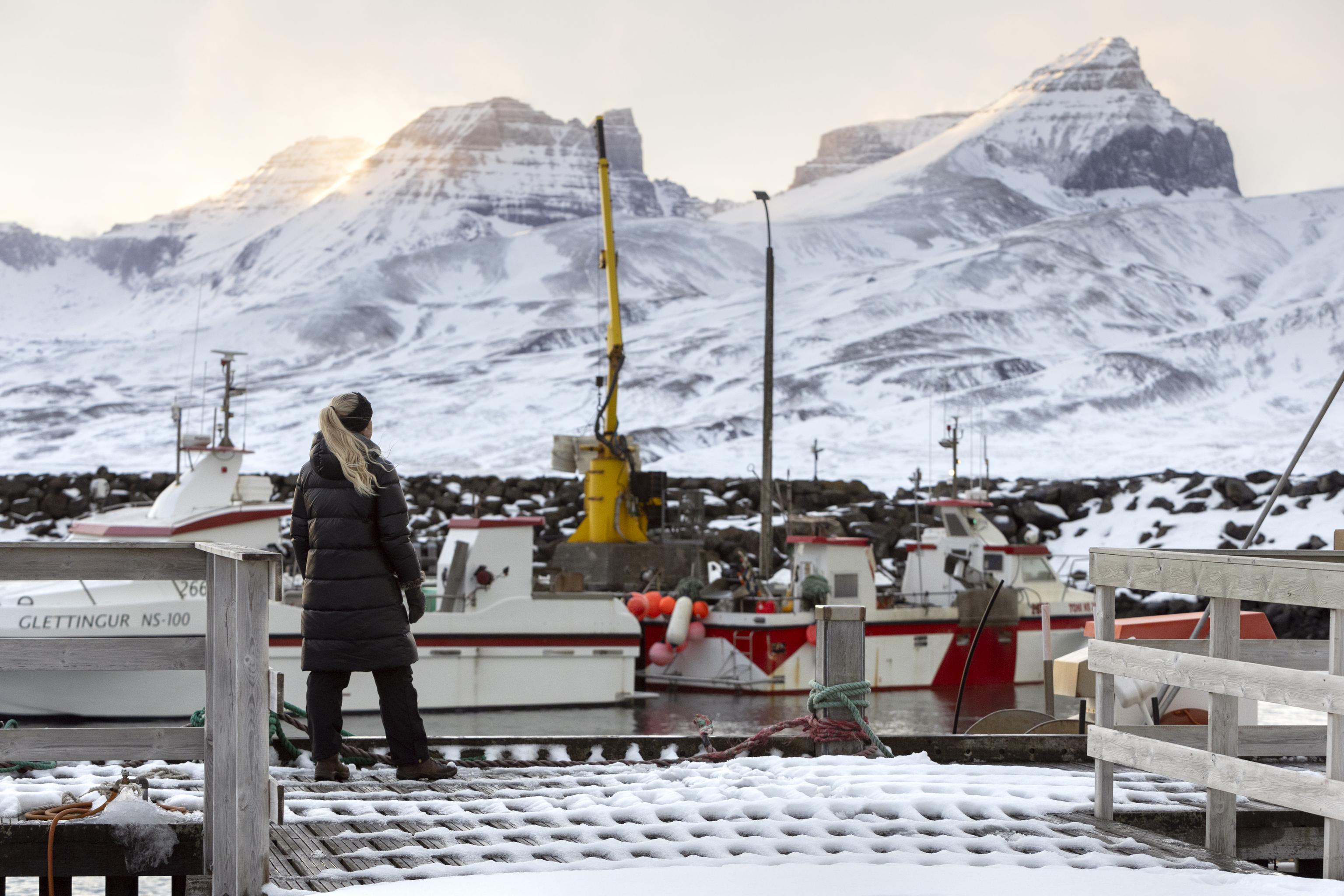
- Djúpivogur: Explore the picturesque harbor and see the Eggs of Merry Bay (Eggin í Gleðivík) sculptures. Each represents a bird species that nests in the area.
- Borgarfjörður Eystri: Stop by Musteri Spa at Blábjörg and treat yourself to a relaxing wellness experience. Enjoy seaweed baths, beer baths, a sauna, steam bath, hot and cold tubs, and more – the perfect way to unwind after a day of exploring East Iceland.
These towns in East Iceland remain active throughout winter, although individual businesses and attractions may have reduced opening hours. Check ahead, especially when visiting smaller communities.
Visiting in December? Look out for festive decorations, seasonal events, and cozy Christmas customs across Austurland that bring local communities together.
Photographer: Þráinn Kolbeinsson
6. The Right Clothing Makes All the Difference
East Icelanders know that winter comfort depends on more than wearing a thick jacket. The right clothing should protect against wind and moisture while allowing you to adjust to different activities.
For example, you may feel warm while snowshoeing uphill but cool down quickly when stopping for a break. Wind can also make exposed coastal viewpoints feel much colder than sheltered areas.
For an East Iceland winter trip, pack:
- Base layer: Merino wool or synthetic thermal clothing that moves moisture away from your skin.
- Insulating layer: A fleece or wool layer you can easily remove during physical activity. This is a good time to put on a traditional Icelandic lopapeysa.
- Outer layer: Windproof and waterproof clothing to protect against snow and changing weather.
- Footwear: Waterproof winter boots with good grip, plus suitable traction aids when needed.
- Accessories: Warm gloves, a hat, and a neck warmer to protect exposed skin.
- Lip balm and sunscreen: Protect your lips from cold, dry winds and your skin from UV rays, which can reflect off snow even in winter.
For longer outdoor activities, bring spare gloves or an extra insulating layer. Damp clothing can become uncomfortable quickly once you stop moving.
If you're joining a guided winter activity, ask what equipment is provided and what you need to bring. Skiing, snowshoeing, horseback riding, and winter hiking may require different clothing or safety equipment.
And don't forget swimwear. You might want to finish an active winter day in one of East Iceland's geothermal pools or local hot tubs.
Photographer: Ragnhildur Aðalsteinsdóttir
7. Some of East Iceland's Best Winter Moments Are Unexpected
East Iceland is the only region in Iceland with an established wild reindeer population. During winter, these animals move from the highlands to lower elevations in search of food. You might spot them grazing in valleys, near coastal areas, or even beside roads. Sightings aren't guaranteed, so keep your eyes open and maintain a safe distance.
For a closer look, visit the Reindeer Park near Egilsstaðir, where you can pet and feed rescued reindeer. Alternatively, join a guided Super Jeep tour to search for wild reindeer with experienced local guides. Both offer a chance to experience one of East Iceland's most distinctive wildlife experiences.
Experience East Iceland Like a Local This Winter
The best way to enjoy an East Iceland winter is to approach the season with the same flexibility and curiosity as the people who live here. Dress for the weather, make time for outdoor adventures, embrace slow travel, and explore different parts of the region when conditions allow. Balance active days with slower, quieter moments.
Whether you're skiing in the Eastfjords or watching the Northern Lights, East Iceland offers plenty of reasons to embrace winter.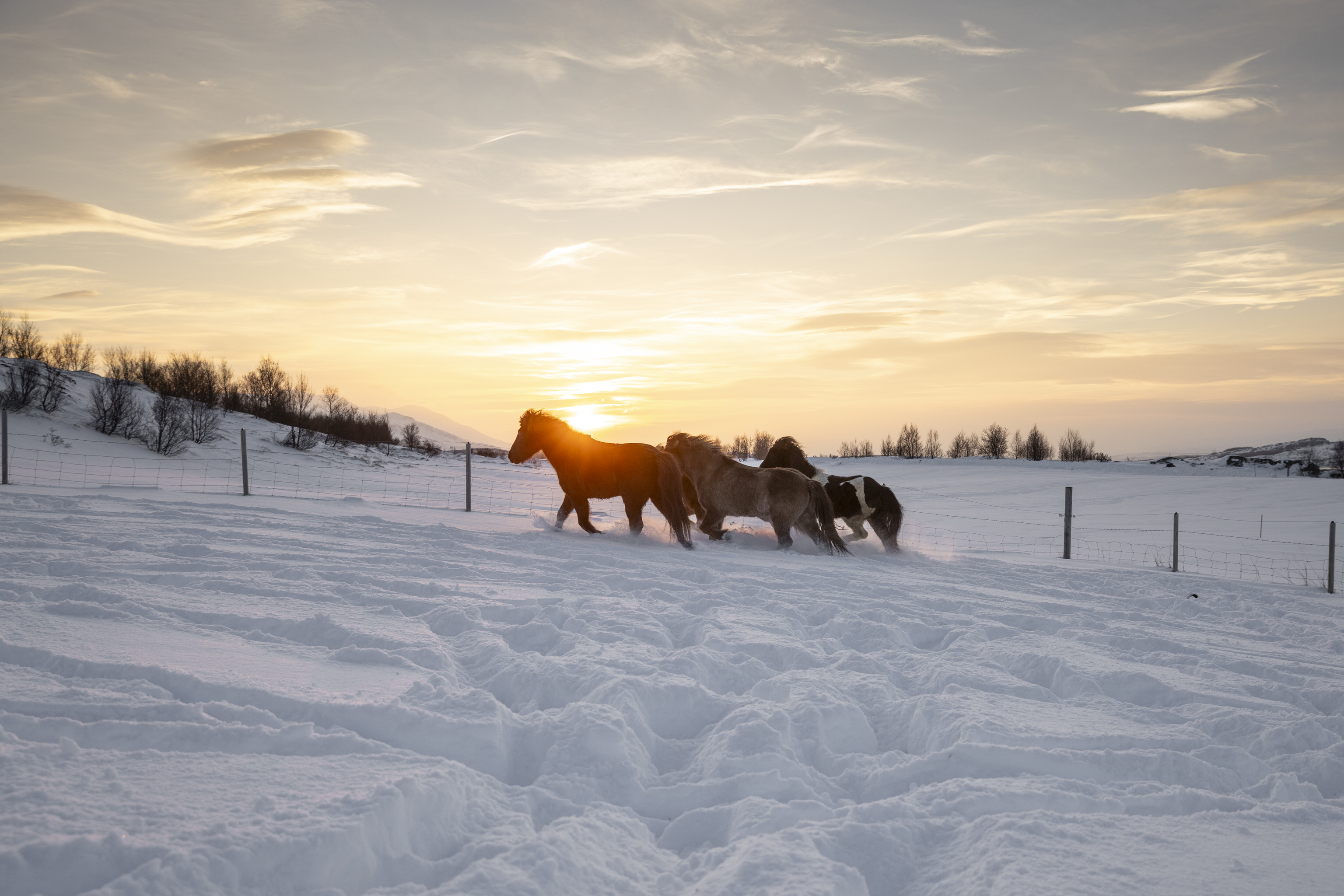
Photographer: Ragnhildur Aðalsteinsdóttir

Yes, East Iceland is worth visiting in winter for its snowy landscapes, skiing opportunities, winter activities and geothermal bathing. You can also spot wild reindeer in East Iceland, watch the Northern Lights, and explore the region with fewer crowds.
Winter temperatures in East Iceland typically range from −5°C to 5°C (23°F to 41°F), although inland areas can be colder. Coastal towns are generally milder, but strong winds can make conditions feel colder.
Yes, but public transportation in East Iceland is limited, especially between smaller communities. Guided tours and local transfers are useful alternatives to renting a car. However, renting a car is by far the best way to explore East Iceland at your own pace. Having your own vehicle gives you the freedom and flexibility to adjust your plans according to the weather and road conditions, discover hidden gems, and make the most of your winter adventure. Always check conditions before setting off and be prepared to change your plans when needed.
Plan for at least 3–5 days to explore several destinations and enjoy winter activities. Extra days give you more flexibility if weather conditions affect your plans.
Yes, beginners can enjoy East Iceland winter activities such as skiing, snowshoeing, and horseback riding. Check age limits, fitness requirements, equipment, and current conditions before booking.
Yes, East Iceland offers family friendly activities such as geothermal bathing, gentle winter walks, beginner-friendly skiing, horseback riding, jeep tours, town walks, museums and Northern Lights hunting. Choose experiences based on children's ages, interests, and the weather.
Yes, many attractions and restaurants in East Iceland remain open during winter, particularly in larger towns. However, some have reduced hours or seasonal closures, so check before visiting.