
How to Find the Aurora Borealis in East Iceland

How to Find the Aurora Borealis in East Iceland
The aurora borealis in East Iceland is an unforgettable sight, stunning everyone who gets to see its beautiful display. Its remote area and breathtaking scenery make it a great location to glimpse this natural phenomenon. Whether you're a seasoned aurora chaser or a first-time viewer, this guide helps you find the best spots and times for viewing.
Why the Eastfjords are Ideal for Aurora Hunting
East Iceland, particularly the Eastfjords, is one of the best places to see the Northern Lights in Iceland. The small population and rugged landscapes mean there’s less light pollution. This creates dark skies that allow the auroras to shine brightly. With its fjords, deep valleys, and wide open areas, the region offers a clear view of the sky lights.
The nights here, especially in winter, give you great chances to see the lively greens and purples of the aurora. This is all possible without the interference of city lights. It’s a natural setting that brings the aurora's light into focus.
The Science of the Aurora Borealis in Iceland
The aurora borealis, or Northern Lights, happens when solar particles collide with the Earth’s atmosphere. These particles are guided toward the poles by the Earth’s magnetic field, creating colorful light displays. The strength and frequency of these displays depend on solar activity. During the solar maximum, auroras occur more often and are stronger.
The Best Months for Seeing the Northern Lights in East Iceland
The ideal time to witness the aurora in East Iceland is from the end of August to the middle of April. September and March are particularly strong due to the equinox effect. These months are when solar activity is usually higher. The long, dark winter nights provide the best conditions for observing the northern glow.
You can catch the auroras throughout the season. However, January and February have the longest periods of darkness for viewing. You should be prepared for very cold temperatures that can drop below freezing.
Top 5 Locations for Aurora Viewing in East Iceland
Iceland is one of the best places in the world to experience the Northern Lights. While there are many places across Iceland where you can observe the aurora, East Iceland offers some of the most unique and amazing locations.
1. Hallormsstaðaskógur Forest and Dark Skies
Hallormsstaðaskógur Forest near Egilsstaðir is one of the best places to see the aurora. As Iceland's only large forested area, it offers a quiet setting with tall trees outlined against the glowing sky. Far from the city, it's a dark location perfect for watching the lights. The clear, dark skies make it easy to see them dance across the night sky.
To get here from Egilsstaðir, drive south along the Lagarfljót lake. The drive is about 17 miles (27 kilometers) and takes 25-30 minutes. Follow Road 931, which runs along the lake and through the forest. Parking is available at Hotel Hallormsstadur, a short walk from the best viewing spots. The easy-to-reach forest trails make this a great spot for beginners.
2. Reflection Shots at Stokksnes and Vestrahorn
Stokksnes and Vestrahorn Mountain are ideal for capturing stunning reflections of the Northern Lights. The tall Vestrahorn peaks, rising above the ocean, form a dramatic backdrop, with black-sand beaches and tidal lagoons. At low tide, the calm water forms a mirror, perfectly reflecting the aurora above.
3. Watching the Lights Over Seyðisfjörður
Seyðisfjörður offers some of the best viewing spots for the aurora. Surrounded by steep mountains and a deep fjord, it creates a natural bowl shape for watching the aurora. The lights often shine across the water's surface, making them appear twice as bright in the fjord below.
Park near the well-known Blue Church in the town center, then walk to the shoreline for clear views with the colorful houses in your photos. The walk takes only a few minutes, and the protected fjord often has calmer weather than open coastal areas.
4. The Remote Beauty of Borgarfjörður Eystri
Borgarfjörður Eystri is famous for its colorful mountains and puffin colonies at Hafnarhólmi. It's located about 70 kilometers from Egilsstaðir on a winding mountain road. The drive takes about 1.5 hours, making it one of the most remote spots in the region.
There are no city lights here at all, so the Northern Lights appear very bright. You can see colors ranging from pale green to deep red dancing above the colorful mountain peaks. Since the small village has limited services, bring supplies and check road conditions before making the drive.
5.Inland Views at Lagarfljót and Beyond
Lagarfljót Lake is another great place to see the Northern Lights in East Iceland. Surrounded by forests and hills, it gives you clear views of the sky with nothing in the way. The lake shores are some of the best inland spots to watch the aurora, especially along Route 931 on the eastern shore.
The lake is also known for its calm, smooth waters, which can create a beautiful mirror image of the aurora when the conditions are right. You can pull over at any of the viewing spots along the lake road for safe, easy access.
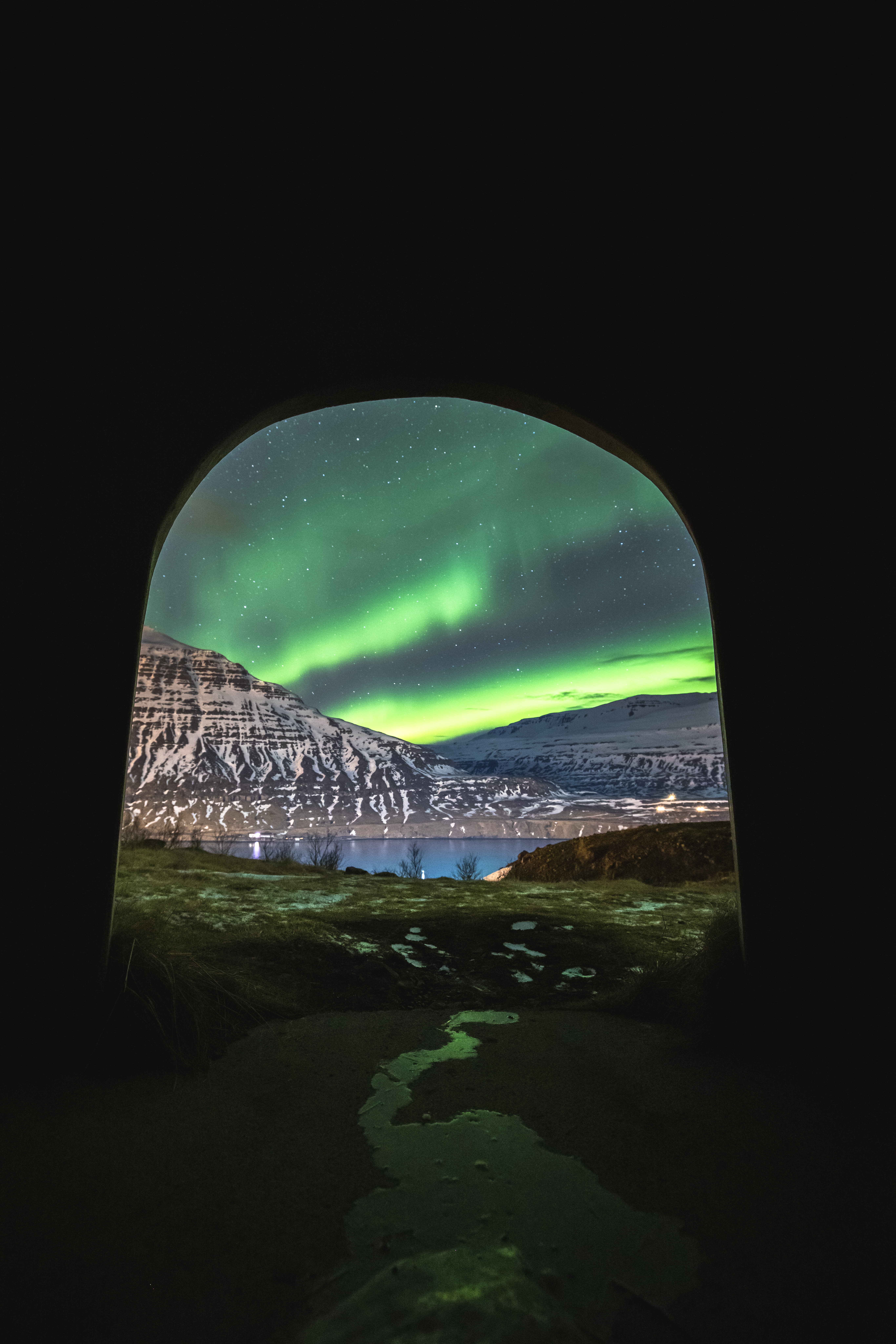
Photographer: Gunnar Freyr Gunnarsson
Essential Weather Apps and Forecast Tools
To increase your chances of finding the aurora borealis in Iceland, it's important to check solar activity and cloud cover. The Northern Lights don’t appear every night, but checking these conditions can help you find them. Here are some weather apps and websites that can give you the latest updates:
- Vedur.is: This is Iceland’s official weather service. It gives real-time aurora forecasts, cloud cover, and wind conditions.
- Aurora Forecast: Use this app to track solar activity and find the ideal times to see the aurora in Iceland.
- My Aurora Forecast: This popular app gives updates on aurora activity and weather conditions, helping you know when to find the aurora borealis in Iceland.
Camera Gear for Capturing the Magic
To truly capture the beauty of the aurora, you'll need the right camera gear and settings. Below are some essential items to help you take stunning photos:
- DSLR or mirrorless camera with manual settings
- Wide-angle lens with a low aperture (f/2.8 or lower)
- A tripod to keep the camera steady during long exposures
- Remote shutter release to avoid camera shake
- Headlamp or flashlight with a red filter to preserve night vision
Make sure your camera is set to long exposure. Learning how to photograph the Northern Lights will also help you document their colors more clearly.
Safety and Night Driving in the Eastfjords
When heading to the Eastfjords at night, safety is important. The roads can be tricky in winter, especially in remote areas. Here are some tips for night driving:
- Check road conditions: Before heading out, check for any road closures or weather warnings.
- Drive slowly: Winter roads can be icy, and visibility may be low.
- Carry emergency supplies: Always have a phone, extra warm clothing, and food in case of an emergency.
Where to Stay for the Best Northern Lights
For the best viewing, consider staying in remote locations away from city lights. Some recommended accommodations include:
- Hotel Hallormsstadur near Hallormsstaðaskógur Forest
- Seydisfjordur Guesthouse in Seyðisfjörður for a quaint, quiet experience
- Berjaya Hérað Hostel in Egilsstaðir for easy access to top aurora viewing spots
Many of these accommodations offer rooms with large windows. This allows you to enjoy the aurora from the comfort of your room.
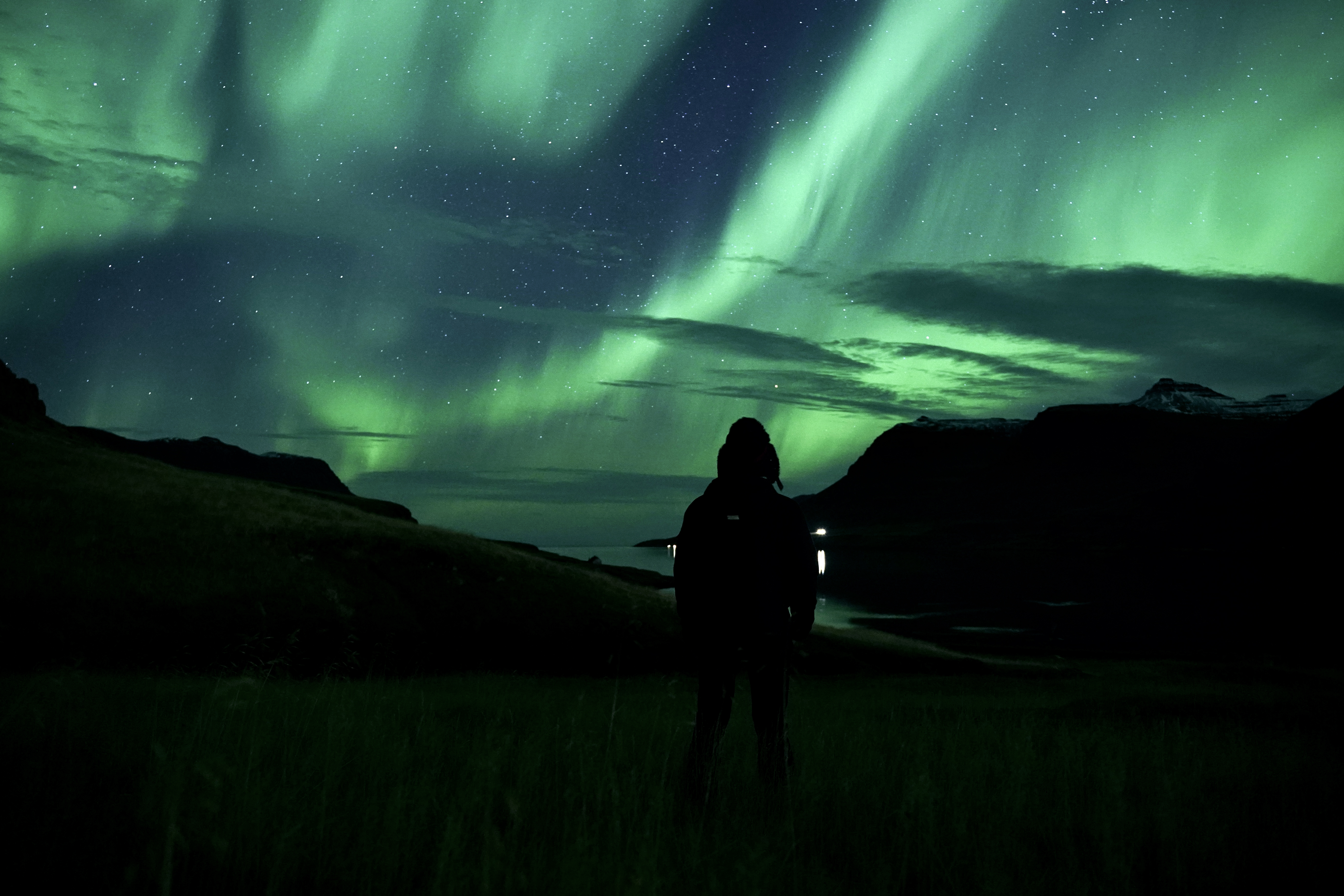
Photographer: Gunnar Freyr Gunnarsson
Final Tips for Your East Iceland Adventure
Chasing the aurora borealis in East Iceland is a unique experience, with stunning landscapes and little light pollution. The Eastfjords are perfect for aurora hunting, whether you're a beginner or an expert.
To make the most of your adventure, be patient when waiting for the lights to appear, as they may take time. Plan to stay out for a few hours to improve your chances of seeing them. Dress warmly, as temperatures can drop significantly, especially during the winter months. Also, check solar activity, as higher levels usually lead to more vivid displays.
Finally, check the aurora forecast, get the right gear, and be patient to increase your chances of seeing it. Follow these steps to plan your unforgettable aurora adventure in East Iceland.
FAQs About Aurora Borealis in East Iceland
What is the best month to see the Aurora Borealis in Iceland?
The best months are September and March, as solar activity tends to be higher, and the weather is more stable.
Do I need a tour to see the Northern Lights in the Eastfjords?
No, Northern Lights tours are not necessary. You can often see the lights by stepping outside, though a local guide can help you find clear skies on cloudy nights.
What time of night do the lights usually appear?
The best time to see the lights is between 10:00 PM and 2:00 AM, but they may appear earlier in the winter.
Can I see the Aurora Borealis if there are clouds?
No, cloud cover blocks the view of the aurora. Check the cloud cover map before heading out.
Is 2026 a good year to see the Northern Lights?
Yes, 2026 is an excellent year due to the solar maximum, which will bring stronger aurora displays.
Does it have to be cold for the Northern Lights to appear?
No, temperature doesn’t affect the aurora. Clear skies are more important for viewing than cold weather.
What does a Kp-index of 3 mean?
A Kp-index of 3 indicates moderate aurora activity, with good chances of seeing the lights in East Iceland.