
Reindeer in Iceland: A Guide to the Wild Herds of the East

History and Arrival of Reindeer in Iceland
Wild reindeer herds blend seamlessly into the vast, cool landscape of Iceland. For some, it can be startling to discover they’re not native to the country. These hardy creatures were imported from Norway to Iceland in the 18th century as a (failed) experiment to establish a local livestock industry.
Between 1771 and 1787, four attempts were made to introduce reindeer to various parts of the island. Throughout the decade, they were brought to Vestmannaeyjar, Reykjanes, Vaðlaheiði, and the Vopnafjörður fjord in East Iceland. Unfortunately, harsh winters and limited food supply quickly proved too challenging. Most of the stock died off, and the Icelandic population was considered almost extinct.
Incredibly, around a hundred survivors were eventually discovered flourishing in East Iceland. The wild reindeer in Iceland today are all believed to be descended from this resilient original herd. The summer population peaked a few years ago at an estimated 6,000 to 7,000 individuals, though some recent counts suggest the number has dropped closer to 4,000.
Life of the Herds in the Eastern Part of Iceland Today
The wild reindeer of East Iceland are true nomads, their lives follow the rhythm of the seasons. Unlike their ilk in other parts of the world, Icelandic reindeer don’t have to contend with major predators like wolves or bears. However, they must constantly battle the elements and the sparse, unforgiving landscape.
Today, the entire population of wild reindeer in Iceland is confined to the eastern fjords. The East offers ecological advantages, including broad upland plateaus that allow seasonal migrations, and heathlands and tundra where lichen is abundant. Additionally, winter in the east often offers more favorable foraging conditions for reindeer compared to other Icelandic regions.
- Built for the Cold: The reindeer's physique is its primary defense against the severe weather. Their coat features a dense undercoat and hollow guard hairs that trap air, creating an effective thermal barrier. Moreover, this double-layered fur shifts from gray or brown in summer to a lighter tone in winter, providing crucial camouflage.
- Diet of the Arctic: During the short summer, they feast on a diverse diet to gain weight quickly. In the long winter, their primary sustenance comes from lichens, which they can digest efficiently unlike many other mammals.
- The Antler Advantage: Both male and female reindeer grow antlers. Pregnant females typically retain their antlers through spring (after calving), giving them a competitive edge over others in accessing food during lean times.
- A Managed Wildness: Because they have no natural predators, the reindeer population is carefully managed to prevent overgrazing. The government issues a controlled number of hunting permits each year to keep the herds healthy and balanced with the fragile sub-Arctic ecosystem.
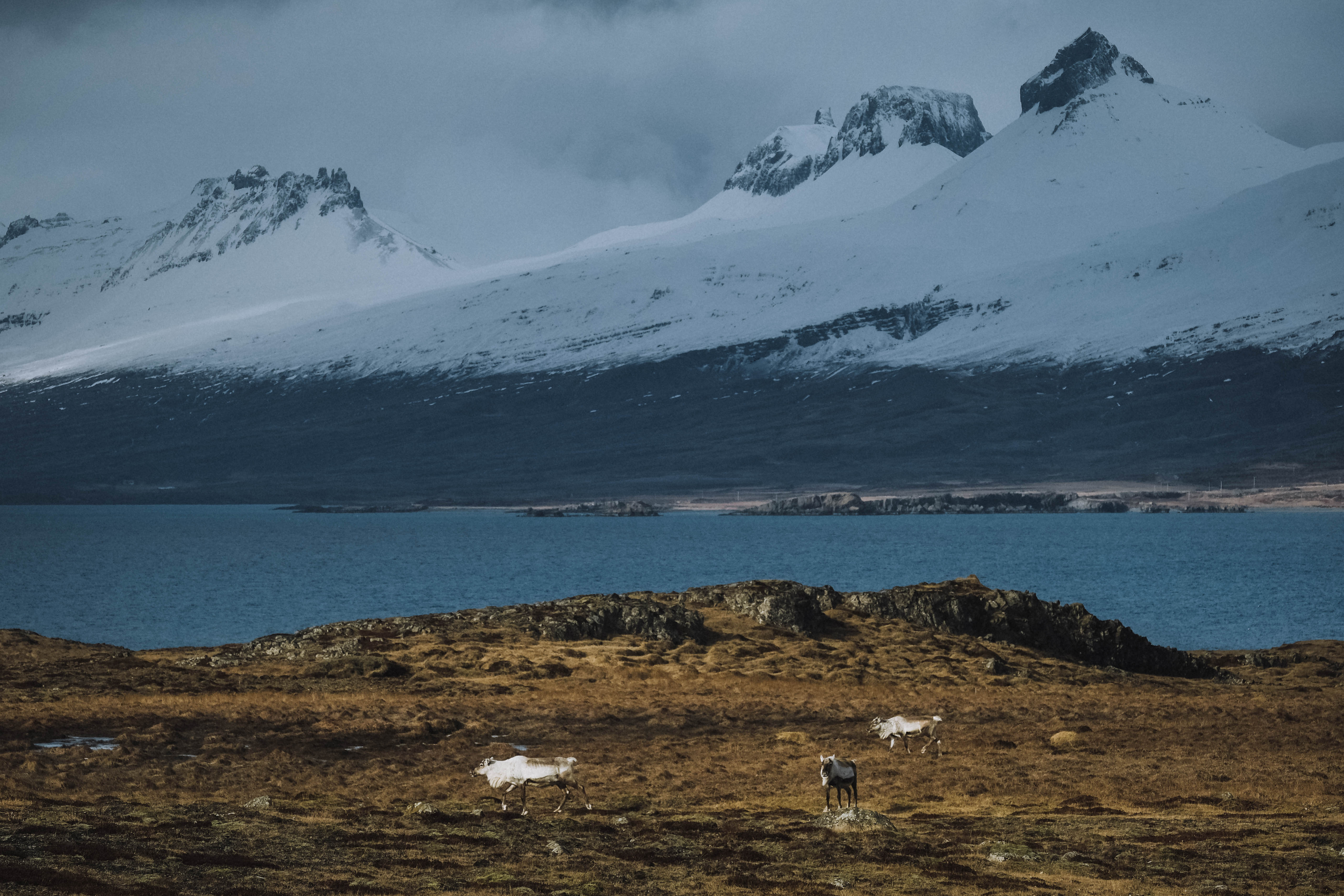
Photographer: Michael Novotný
The Seasonal Migration of Reindeer in Iceland
Reindeer in Iceland deal with the extreme seasons by migrating between two distinct habitats.
During summer, the herds push inland toward higher ground and remote plateaus, primarily north of Vatnajökull, including Snæfell highlands. As herbivores, they seek out lush summer pastures to build up fat reserves while they can. Calving season occurs in the remote highlands, too, which provides isolation and safety for the newborn calves.
When the heavy snows of winter arrive, the herds descend to the eastern coastal areas and valleys. Some herds may approach roadways or lower-lying areas near towns as they track food. Winter covers the landscape in snow, but reindeer use their strong hooves to dig for their winter staples: lichen and moss.
Best Place to See Reindeer in Iceland
To see Iceland's wild reindeer, you have to embrace the chase: they’re found exclusively in the vast East Iceland region.
Winter is your best chance. Keep an eye on pastures along the Ring Road between the northern fjords like Vopnafjörður, Egilsstaðir, and the southern coastline toward Höfn and Jökulsárlón Glacier Lagoon.
The summer months see reindeer largely retreat further from human reach. Herds often troop to the inaccessible central highlands north of the Vatnajökull glacier, particularly around Mount Snæfell. Spotting them requires more effort and often venturing into the interior.
For the best odds, join a reindeer-focused tour. Local operators like Tinna Adventure offer Super Jeep tours dedicated to tracking the wild herds across the Eastfjords.
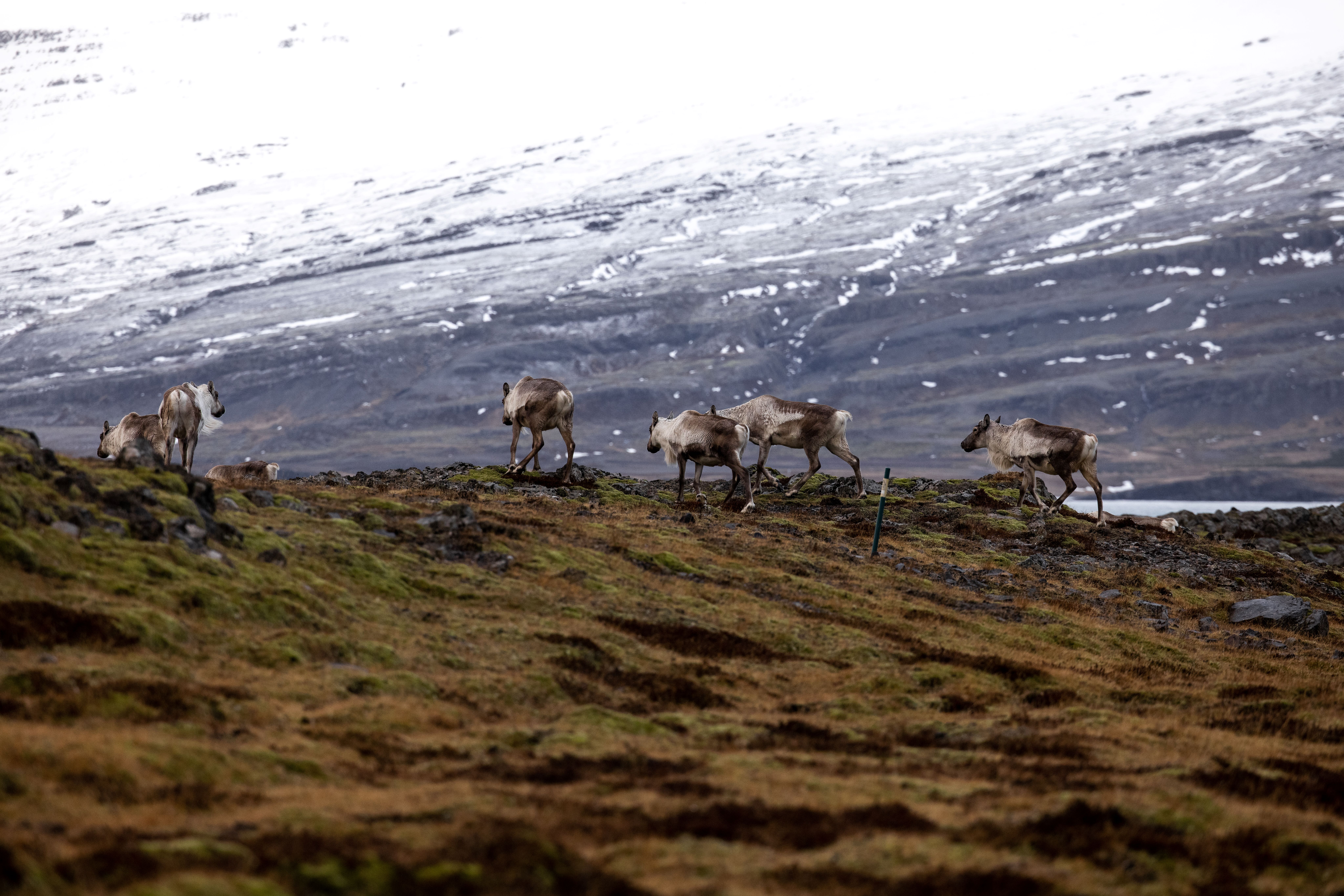
Photographer: Gunnar Freyr Gunnarsson
Visit the Reindeer Park in East Iceland
Travelers who don’t want to leave their reindeer encounters up to chance can visit the Reindeer Park. Located in Fellabær, close to Egilsstaðir, the park is run by a local family committed to rescue and education.
The park began in 2021, when two orphaned reindeer calves were rescued in the highlands and brought to safety. Today, it hosts four rescued reindeer, all accustomed to human presence. Visitors can interact, feed, and sometimes even pet the animals, allowing for a more personal wildlife experience.
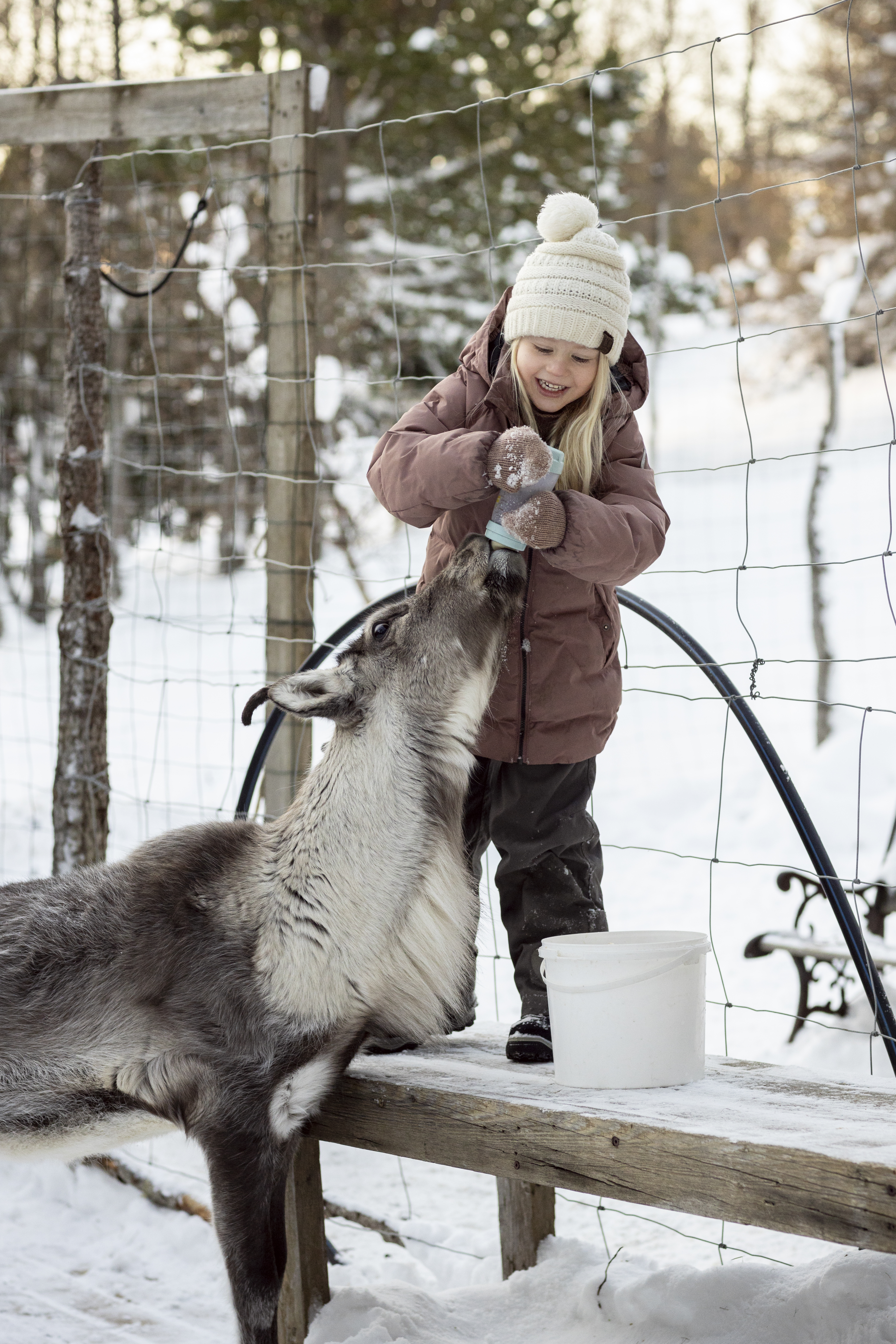
Photographer: Ragnhildur Aðalsteinsdóttir
Best Time of Year to See Reindeer in Iceland
The best time to see wild reindeer in Iceland is from winter to spring (around October to April). Deep snow in the central highlands drives the large herds down to lower altitudes and coastal areas. Reindeer can be spotted grazing in the valleys and pastures near the Ring Road between Egilsstaðir and Höfn, making sightings relatively easy.
During the summer (May to September), reindeer retreat to the secluded highlands north of the Vatnajökull glacier to calve and graze. Dedicated tours are often required to find them then.
How to Spot Wild Reindeer Safely and Respectfully
Encountering wild reindeer in Iceland is a truly special experience. To ensure both your safety and the well-being of these rare animals, observe them responsibly. Here are some essential tips:
- Maintain Distance: Reindeer are wild and easily spooked. Keep a safe, respectful distance, and never attempt to approach, feed, or touch them.
- Be a Responsible Driver: Reindeer often graze near the Ring Road in East Iceland, particularly in winter. If you spot them, pull completely and safely off the road into a designated parking area before stopping to view. Do not stop on the road itself.
- Move Quietly and Slowly: If you are on foot, move slowly and avoid sudden movements or loud noises that could startle the animals and cause them to flee.
- Leave No Trace: Respect their natural habitat. Do not leave any trash or debris behind.
Witness the Wild Beauty of East Iceland’s Reindeer
Iceland’s wild reindeer are a symbol of resilience and the untamed nature of the East. Whether you opt for a winter sighting along the coastal roads or a challenging summer trek into the highlands, a glimpse of these herds is unforgettable. Our travel routes like the Highland Circle are ideal for chasing the elusive reindeer from Egilsstaðir to the highlands.
FAQs About Reindeer in Iceland
Are there reindeer in Iceland?
Yes, there are wild herds of reindeer, although they are not native and are exclusively found in the Eastfjords region.
When is the best time to see reindeer in Iceland?
The best time to see reindeer in Iceland is from October to April, when herds move down to the eastern fjords and coastal areas.
Can you see reindeer in other parts of Iceland?
No, reindeer in Iceland are found only in the eastern part of the country.
Where can we see reindeer in Iceland?
You can only see them in East Iceland, often near the Ring Road between Egilsstaðir and Höfn, especially during the winter.
How many reindeer are in Iceland?
The population fluctuates, but recent estimates suggest there are between 4,000 and 7,000 wild reindeer in the country.
Do they serve reindeer in Iceland?
Yes, reindeer is served in some East Iceland restaurants, as a limited number are hunted annually to manage the population.
Are there moose in Iceland?
No, there are no native or wild populations of moose (or elk) in Iceland.