
Geological Features of Paskahellir Cave in the East Fjords

Explore the Unique Rock Formations of Paskahellir Cave
Paskahellir, a sea cave in Iceland, displays six distinct rock formations. As you explore the cave and the surrounding coastline, you'll encounter:
- Pillow Lava: These are rounded rocks formed when hot lava hit cold seawater and cooled quickly.
- Cave Tunnels: Look for passages carved by ocean waves through volcanic rock over millions of years.
- Tree Molds: You'll notice circular holes that mark where ancient trees once stood before lava buried the prehistoric forest. Rock pigeons now nest here.
- Volcanic Dikes: Watch for dark vertical rock sheets formed when hot liquid rock pushed through cracks and hardened.
- Quartz Crystals: Find shiny mineral deposits in small pockets, left by water carrying dissolved minerals.
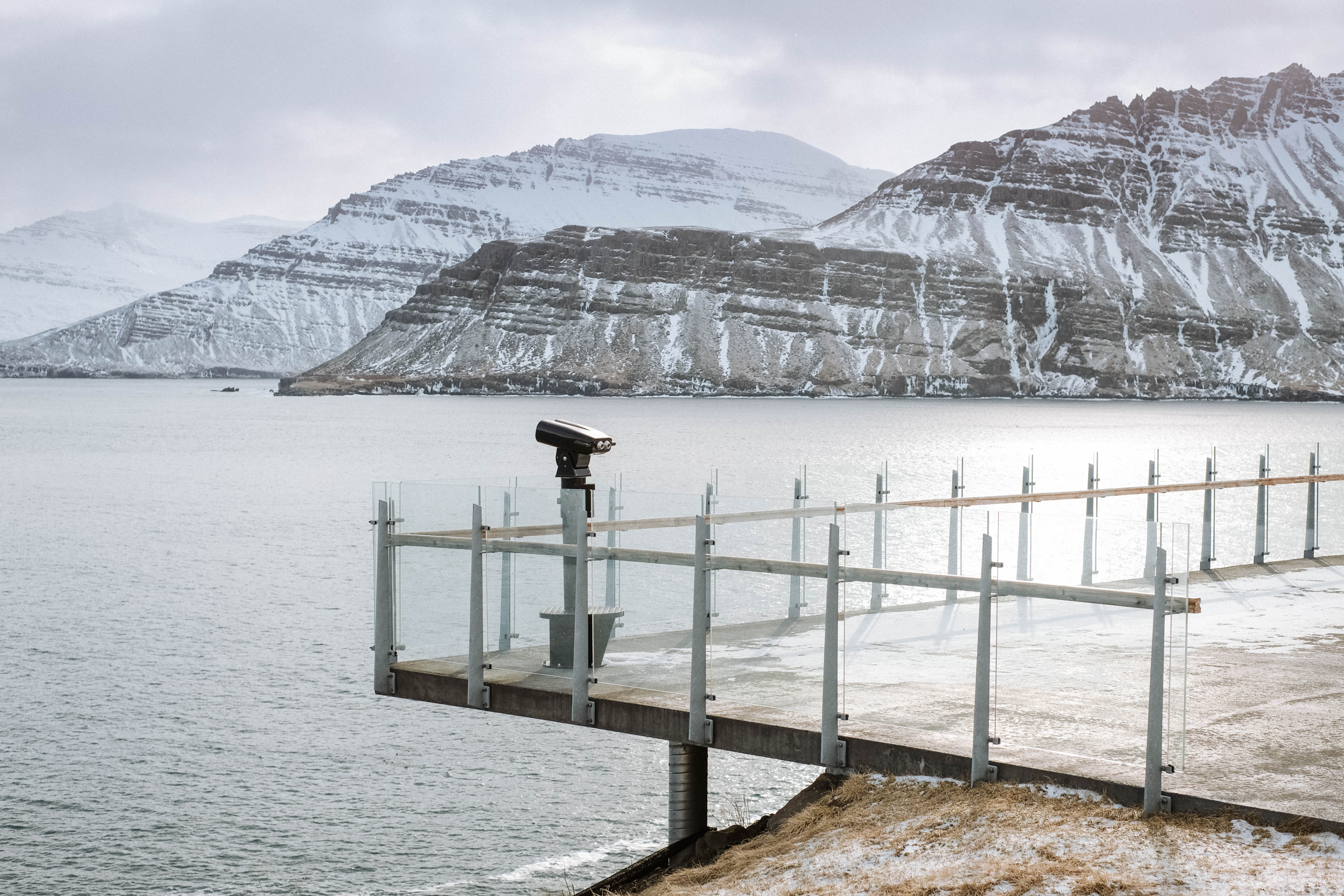
- Rhyolite Cliffs: Across the bay, red-orange cliffs at Rauðubjörg on the peninsula are made of volcanic rock rich in silica.
Photographer: Michael Novotny
How to Find Paskahellir Cave Near the Shore
Paskahellir, also called Easter Cave, sits where land meets sea along Neskaupstaður's coast. The trail is short but requires careful walking over uneven rocks, a metal staircase, and timing for low tide. Here's how to reach it:
Step 1: Start at the parking area
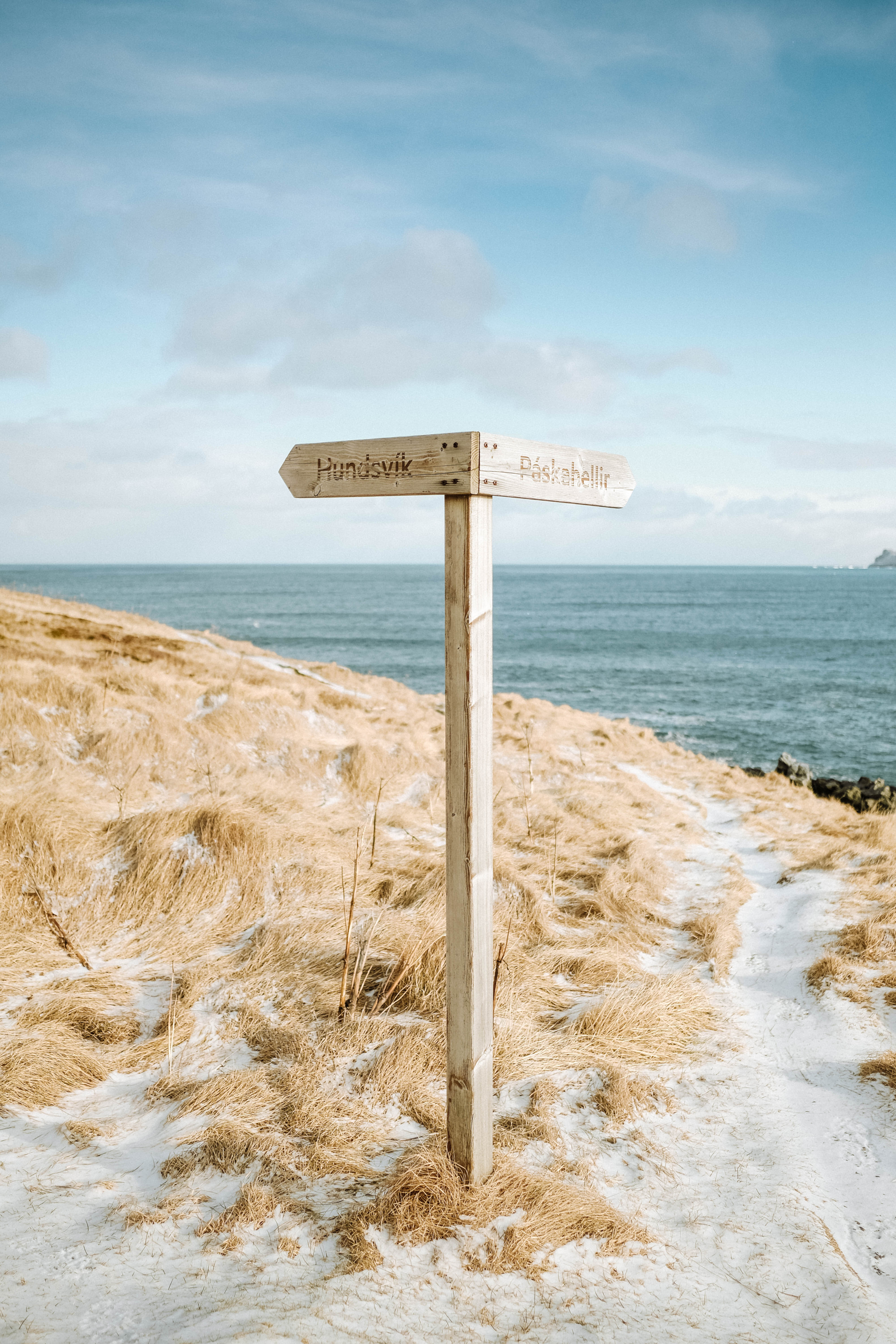
Park at the trailhead on the edge of Neskaupstaður, inside Iceland's first nature reserve. The marked coastal path begins here.
Step 2: Follow the coastal trail
Walk along the path with sea cliffs rising on one side and open views of Norðfjörður Bay on the other. The trail is well-marked and scenic.
Step 3: Descend the metal staircase
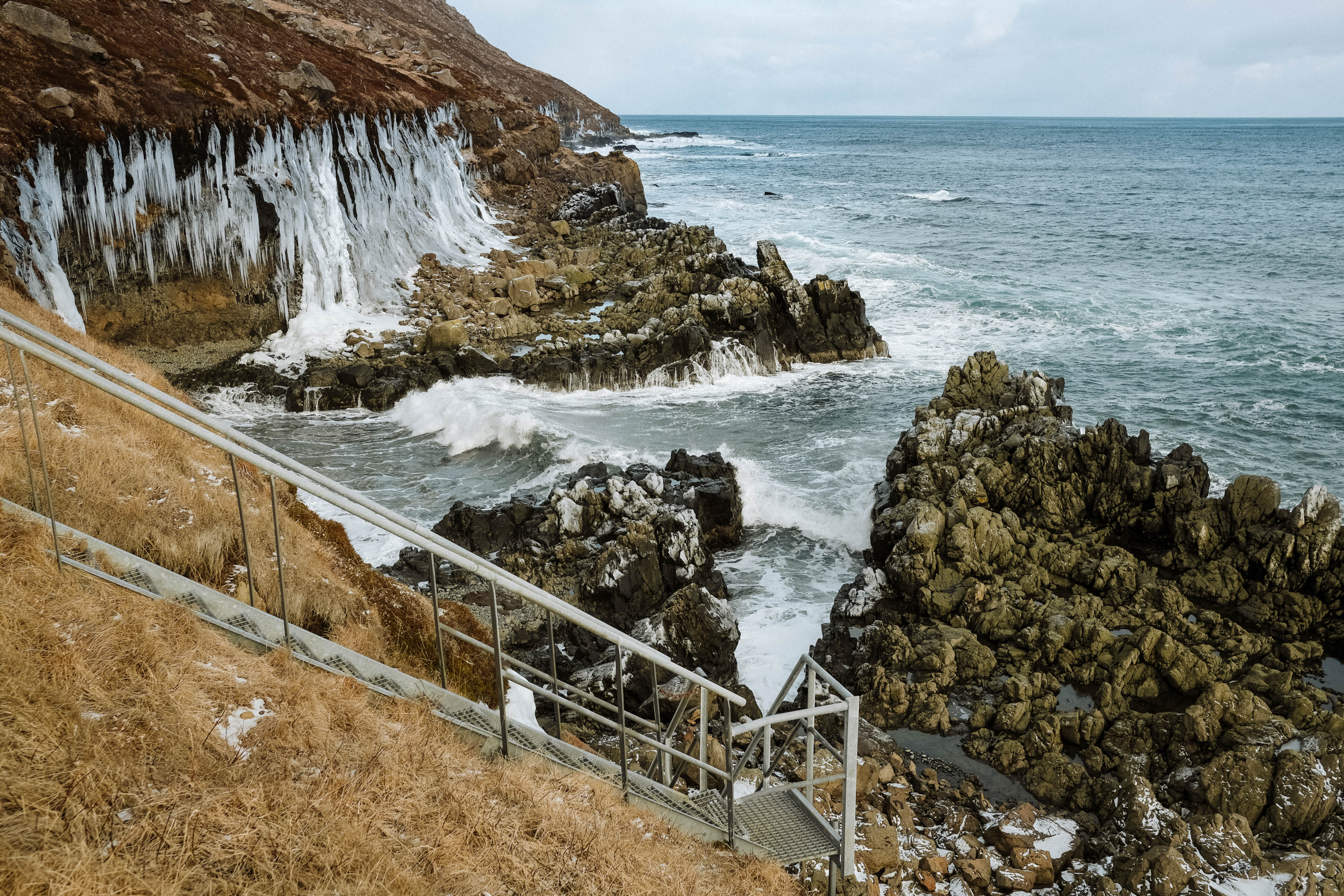
You will reach a metal staircase leading down toward the rocky shore. Take your time here. The steps can be slippery when wet. Sturdy hiking boots with good grip are essential.
Step 4: Navigate the rocky shoreline
The rocks below are uneven. Watch your footing as you make your way toward the waterline, where waves have shaped the shore for millions of years.
Step 5: Time your arrival with the tide
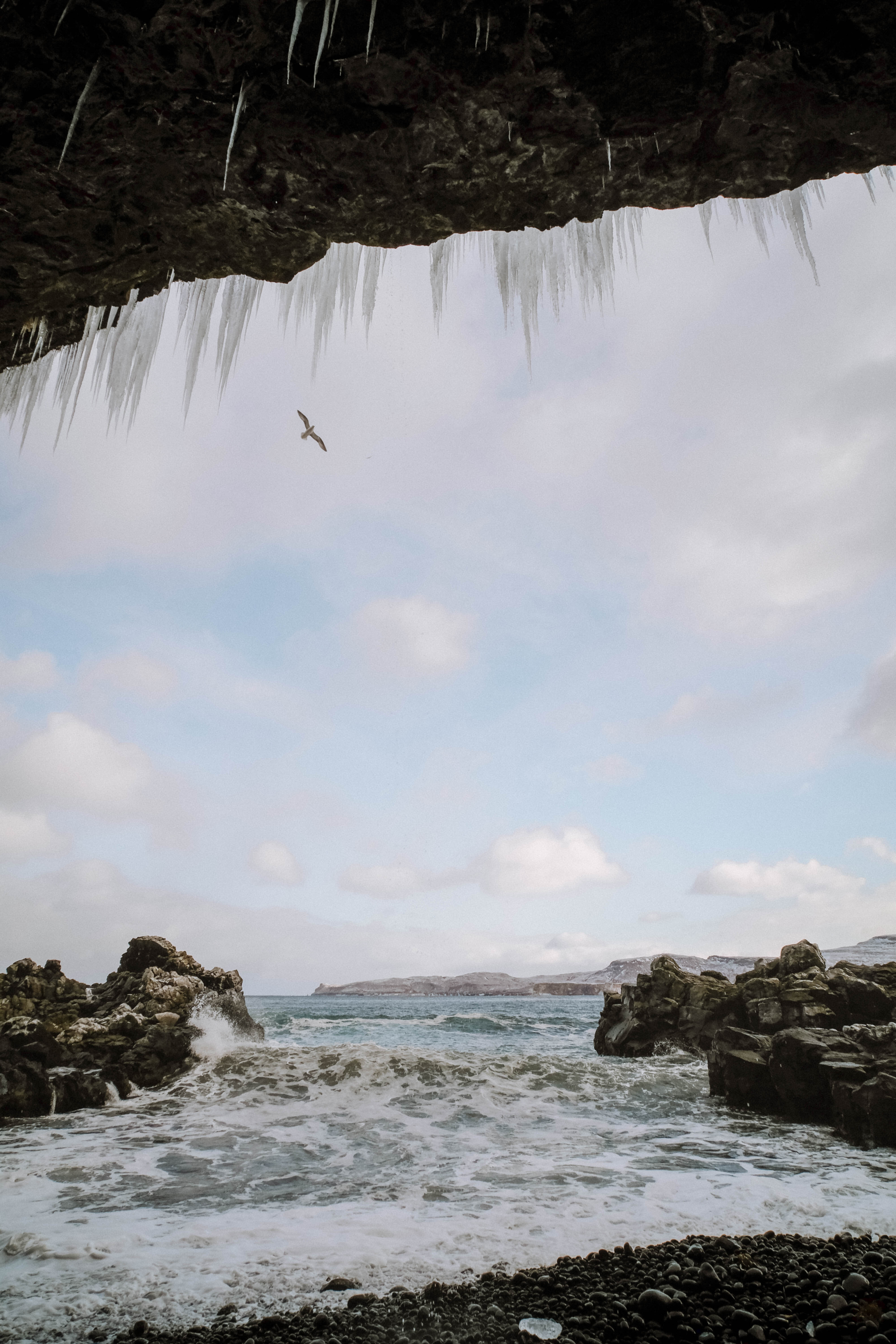
The Paskahellir Cave sits right at the waterline. Visit during low tide or when the sea is calm. During high tide or storms, the entrance can becomes dangerous or impossible to reach.
Step 6: Explore the cave
Once you reach the entrance, step inside and take time to observe the formations. Look for tree molds in the walls, pillow lava near the entrance, and crystals tucked in small stone pockets.
Step 7: Return or continue
From the cave, you can either climb up the outside slope to continue exploring or go back the way you came. The full round trip takes about 45 to 60 minutes, including time to explore and take photos.
Photographer: Michael Novotny
Understanding the Volcanic History of the Cave
Iceland was built by fire. Volcanoes shaped the land, and lava flows created most of what you see today. The formation of Paskahellir is a story of volcanic destruction and coastal rebirth.
About 12 million years ago, a forest covered this area. Then came an eruption. Lava poured across the land, creating the thick basalt layers visible in the cliffs.
Over time, the sea began to carve into this ancient lava field. Waves crashed against the rock year after year, century after century, slowly hollowing out the grotto we now call Paskahellir. The constant motion of water shaped the cave's interior, smoothing some surfaces while leaving others rough and broken.
This is how nature works in Iceland. What fire creates, water reshapes. The cave is a product of both forces, a meeting point between volcanic power and coastal erosion.
Photographer: Michael Novotny
Spotting the Rare Rock Holes and Formations
Beyond the six main features, Paskahellir holds other geological details. Take time to examine these formations closely.
- Layered Rock Walls: Look at the cliff walls. You will see distinct layers of rock stacked on top of each other. Each layer marks a different volcanic eruption across millions of years.
- Mineral Streaks: Watch for lighter streaks running through the darker stone. Mineral-rich water seeped through cracks over thousands of years, leaving white, yellow, and orange patterns across the rock.
- Vesicular Basalt: Some cave walls are filled with small holes. This rock formed when gas bubbles got trapped in cooling lava, creating a sponge-like texture.
These formations are protected within Iceland's first nature reserve, Neskaupstaður Nature Reserve, established in 1972.
Photographer: Michael Novotny
The Best Time of Day to Visit for Photos
Light transforms Iceland's coastal caves. Here's when to capture Paskahellir at its best:
- Morning (6:00 AM - 9:00 AM): Soft light reveals cave textures and makes quartz crystals shine. On Easter morning, watch the sun appear to dance across the cave entrance. Locals have gathered here for generations to witness this sight. Use low ISO settings for sharp detail.
- Midday (11:00 AM - 2:00 PM): Bright light makes colors vivid: blue water, green moss, dark basalt. Best time for photographing seabirds like fulmars and gulls. A polarizing filter cuts glare and deepens blues.
- Late Afternoon (3:00 PM - Sunset): Golden light warms the rocks. Long shadows add depth to formations. Sunset colors reflect off the water. Shoot in RAW format and bring a tripod as light fades.
- Winter (November - March): Ice clings to cliffs. Light stays soft all day. The coast feels quieter. Protect your camera from moisture and cold.
Photographer: Michael Novotny
What to See Near Paskahellir and Norðfjörður
The Neskaupstaður Nature Reserve offers coastal cliff trails with rock pools filled with sea creatures. In summer, lupines bloom along the shore.
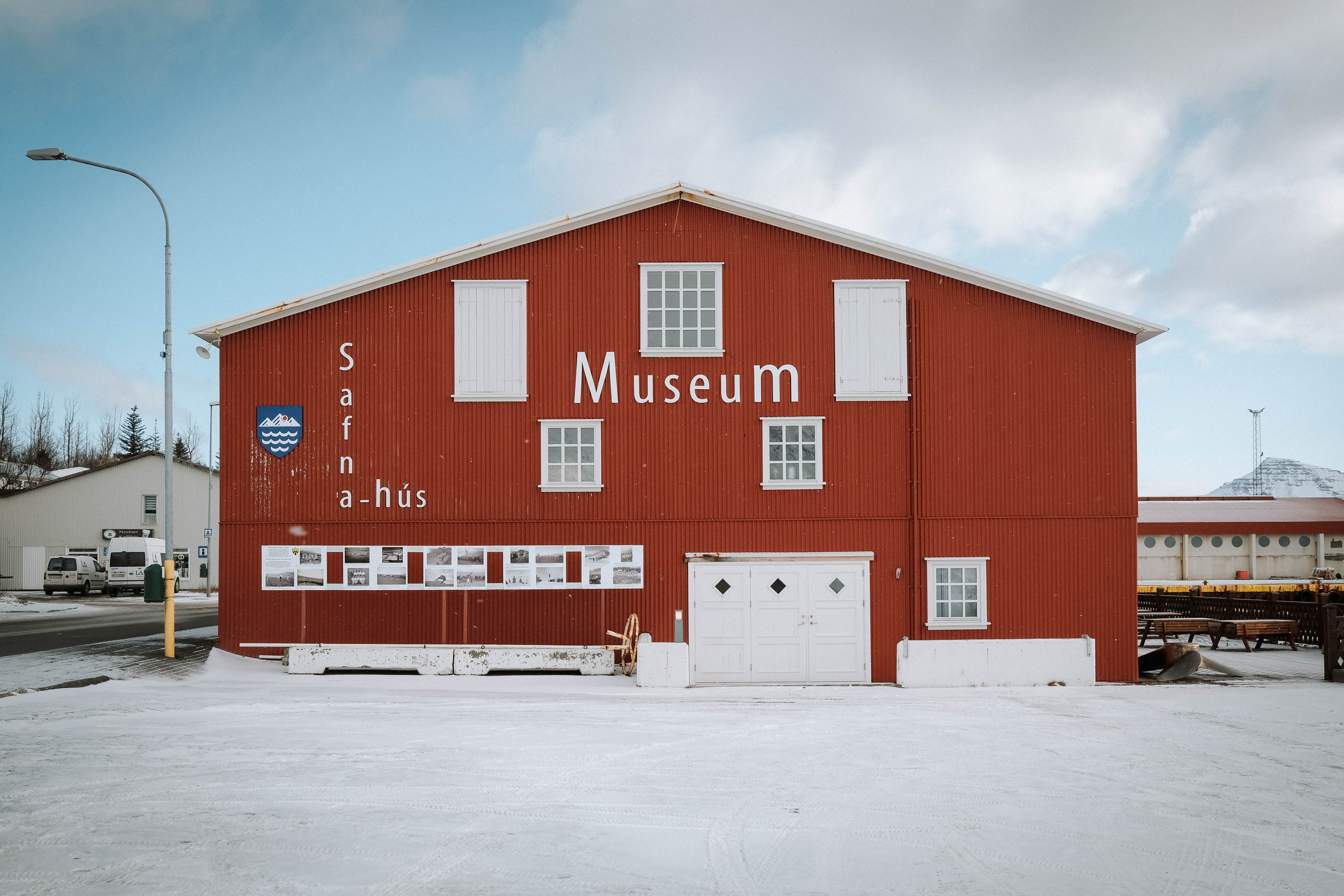
The town of Neskaupstaður lies in the fjord Norðfjörður and is one of Iceland's most remote settlements, accessible only via a tunnel. or a mountain pass. Visit its maritime museum, natural history museum, and art museum dedicated to local painter Tryggvi Ólafsson.
Across the bay, the red rhyolite cliffs of Rauðubjörg glow in sunlight. This centuries-old landmark has guided sailors for generations. View them from Paskahellir or visit by boat.
The East Fjords hold more geological wonders. You'll find basalt columns, volcanic formations, and hidden coves shaped by the same forces that created Paskahellir.
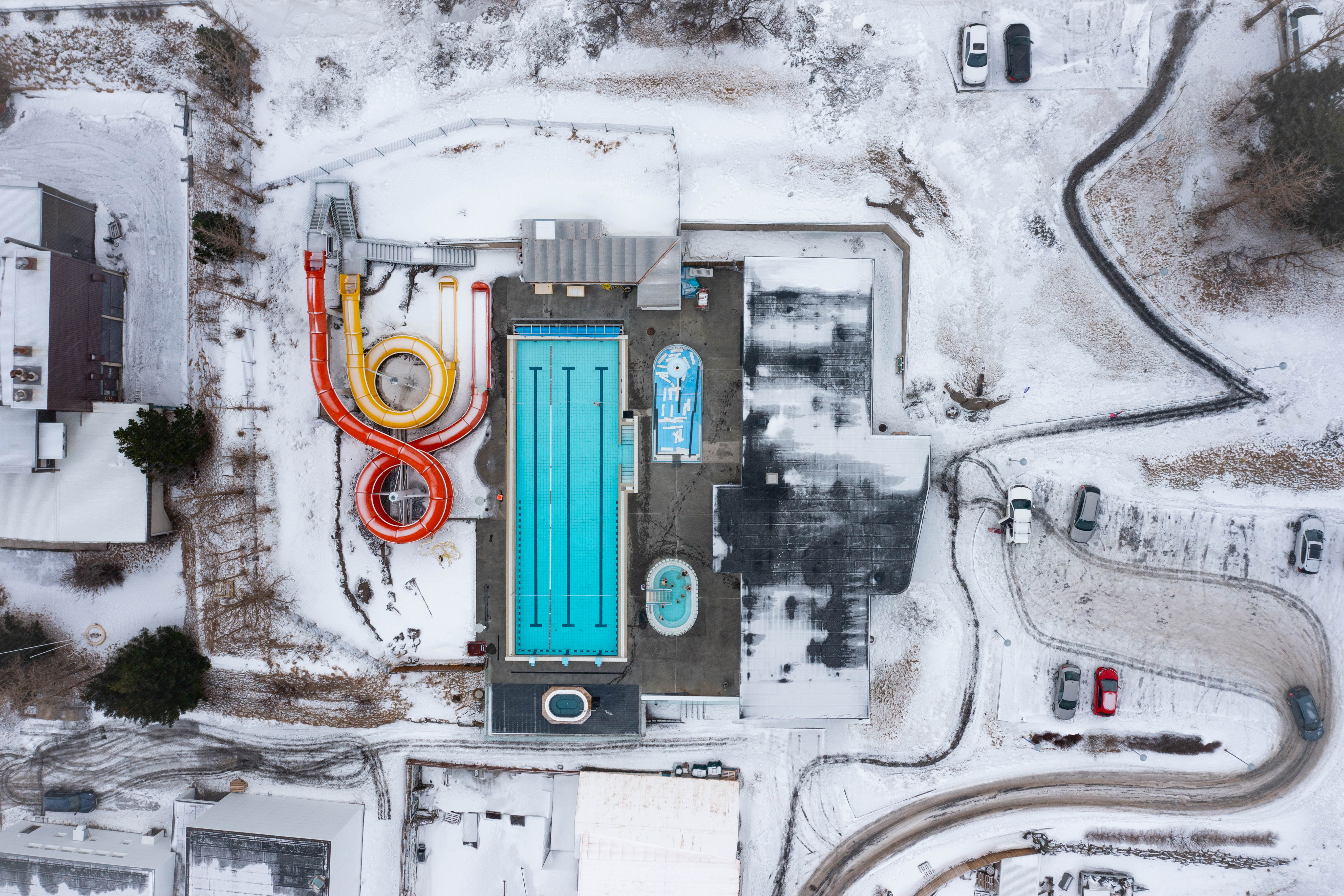
The Neskaupstaður Nature Reserve offers stunning coastal cliff trails, where rock pools teem with sea life and, in summer, lupines bloom along the shore. After your walk, stop by the charming Beituskúrinn (bait shack) to soak in local history and the quiet harbor atmosphere, unwind at the Neskaupstaður Swimming Pool with its relaxing hot tubs or take a horseback riding tour with Skorrahestar.
The town of Neskaupstaður lies in the fjord Norðfjörður and is one of Iceland’s most remote settlements, accessible only via a tunnel or a mountain pass. While there, you can visit its maritime museum, natural history museum, and the art museum dedicated to Tryggvi Ólafsson.
Across the bay, the red rhyolite cliffs of Rauðubjörg glow vividly in the sunlight. This centuries-old landmark has guided sailors for generations—view them from Páskahellir or get closer by sea. For a different perspective on the fjord, consider a boat trip with Elding or Fjarðaferðir, where you may also spot seabirds and marine life.
The East Fjords hold even more geological wonders, from basalt columns and volcanic formations to hidden coves shaped by the same powerful forces that created Páskahellir.
Photographer: Michael Novotny
Final Thoughts on This Eastfjords Wonder
Paskahellir (Easter Cave) reveals Iceland's volcanic past through tree molds and layered rocks. Standing inside, you witness how destruction and creation work together across deep time.
This cave is not flashy or crowded. It offers something quieter, a direct connection to how nature shapes Iceland. If you visit the East Fjords, walk the trail and explore this coastal wonder for yourself.
FAQs About Paskahellir Cave
How did Paskahellir Cave get its name?
The name translates to "Easter Cave." Local legend says that on Easter morning, you can see the sun dance from the cave's mouth. While science might disagree, the morning light hitting the cave is undeniably beautiful.
What makes the geology of Paskahellir unique?
The cave is famous for its distinct holes in the rock walls. These were formed by ancient tree trunks that were engulfed by lava millions of years ago. As the wood decayed, it left behind perfect cylindrical molds in the hardened stone.
Is the hike to Paskahellir Cave difficult?
It is a relatively easy walk from the nature reserve in Neskaupstaður, but it does involve some stairs and rocky terrain. You should wear sturdy shoes, especially if the coastal rocks are wet and slippery.
Can I enter the cave during high tide?
Yes you can, but tThe cave is located right on the shoreline, so it is always best to visit during low or receding tide. During high tide or stormy weather, the waves can make the entrance inaccessible or dangerous.
How long does it take to visit the cave?
Most visitors spend about 45 to 60 minutes on the round-trip walk from the parking area, including time to explore the cave and take photos of the surrounding cliffs.
Are there other caves nearby in the Eastfjords?
While Paskahellir is the most famous in this specific area, the Eastfjords are full of small sea caves and basalt formations. However, Paskahellir is the most accessible for hikers looking for specific geological history.