
Understanding the East Fjords Iceland: Remote Villages and Nature

Understanding the East Fjords, Iceland: Remote Villages and Nature
The East Fjords of Iceland are a place where the land meets the sea in a quiet, unspoiled way. This part of the country is often passed over by travelers. It offers a refuge in its remote villages, rugged coastlines, and natural beauty. If you're looking for a place to experience the raw side of nature and the slow rhythm of life, the East Fjords are waiting.
Discover the beauty of remote villages on your next road trip through East Iceland.
An Introduction to the Remote East Fjords
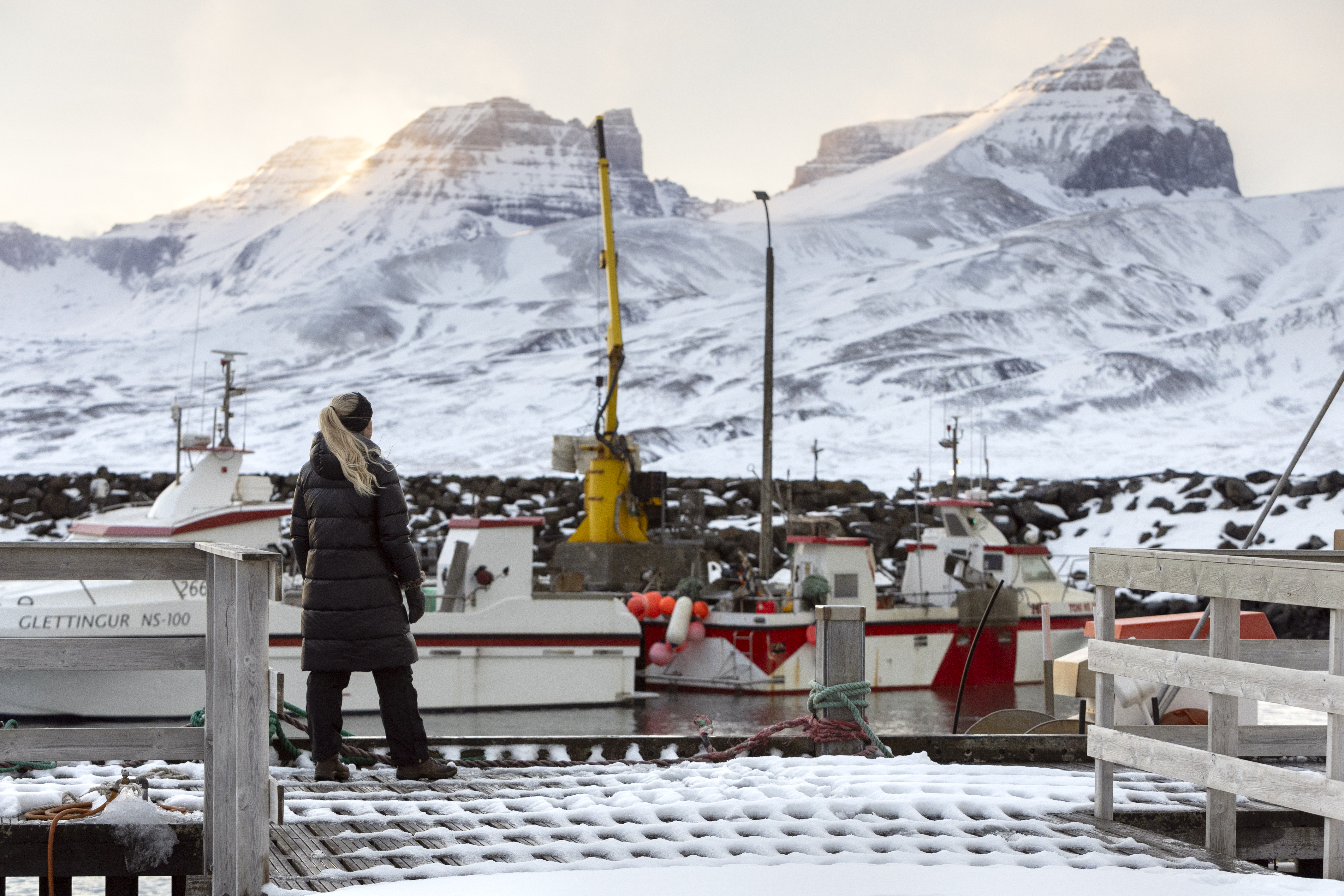
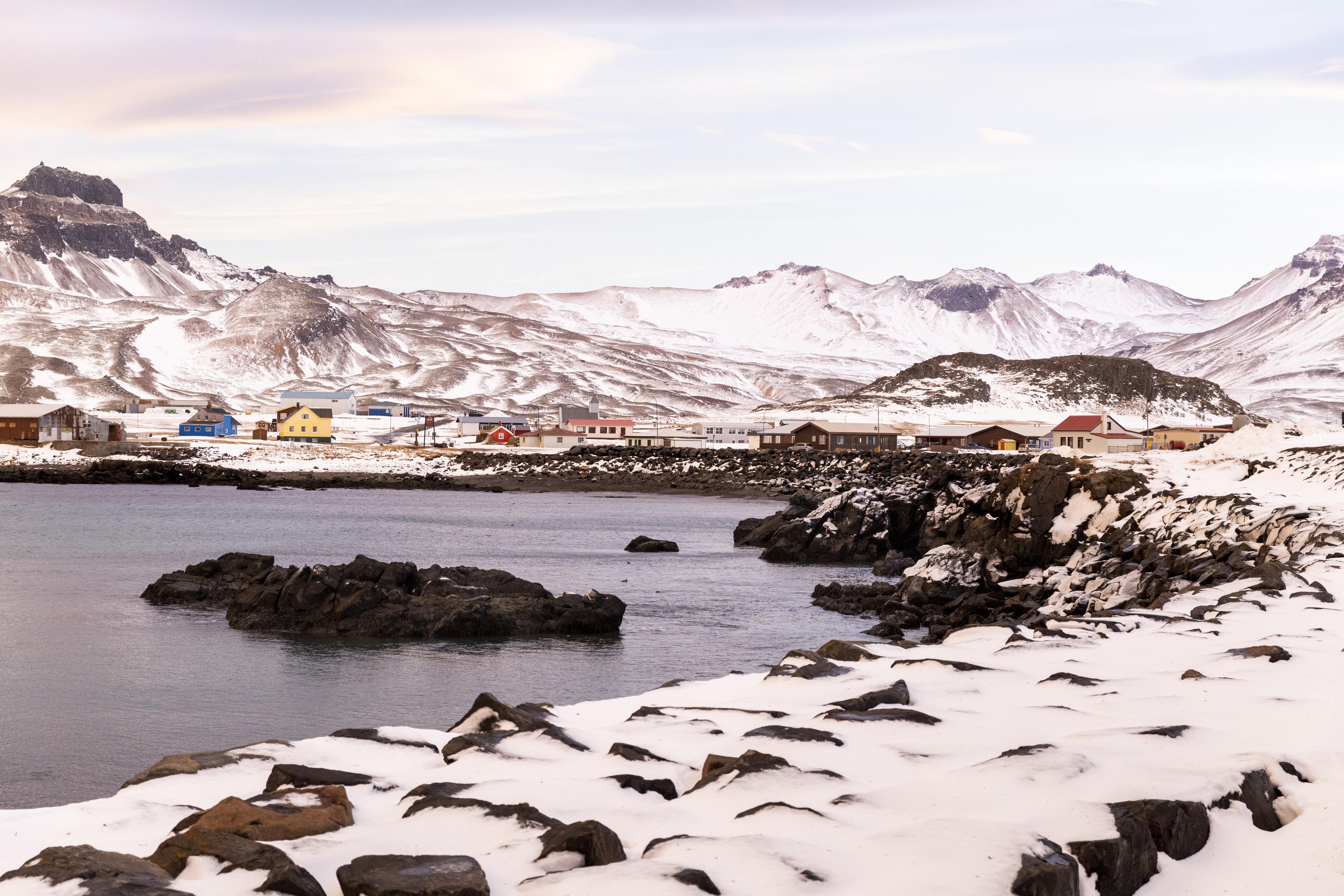
The East Fjords region of Iceland stretches along the jagged coastline between Berufjörður and Borgarfjörður Eystri. Narrow fjords cut deep into ancient rock, and each valley holds a fishing village with its own story.
Away from the busy Ring Road, this peaceful area shows Iceland at its most real. Rocky landscapes rise from deep-blue waters, and small towns retain their traditional charm.
Time moves differently in the East Fjords, where the pace matches the rhythm of tides and seasons. The eastern region rewards those on road trips who take time to explore.
Photographer: Ragnhildur Aðalsteinsdóttir
The Geological History of Iceland's Eastern Coastline
The eastern coastline of Iceland is composed of basalt from ancient lava fields. These rocks formed from volcanic eruptions. Some of these formations are about 16 million years old.
During ice ages, glaciers carved out deep fjords here. When the ice melted, seawater filled the valleys.
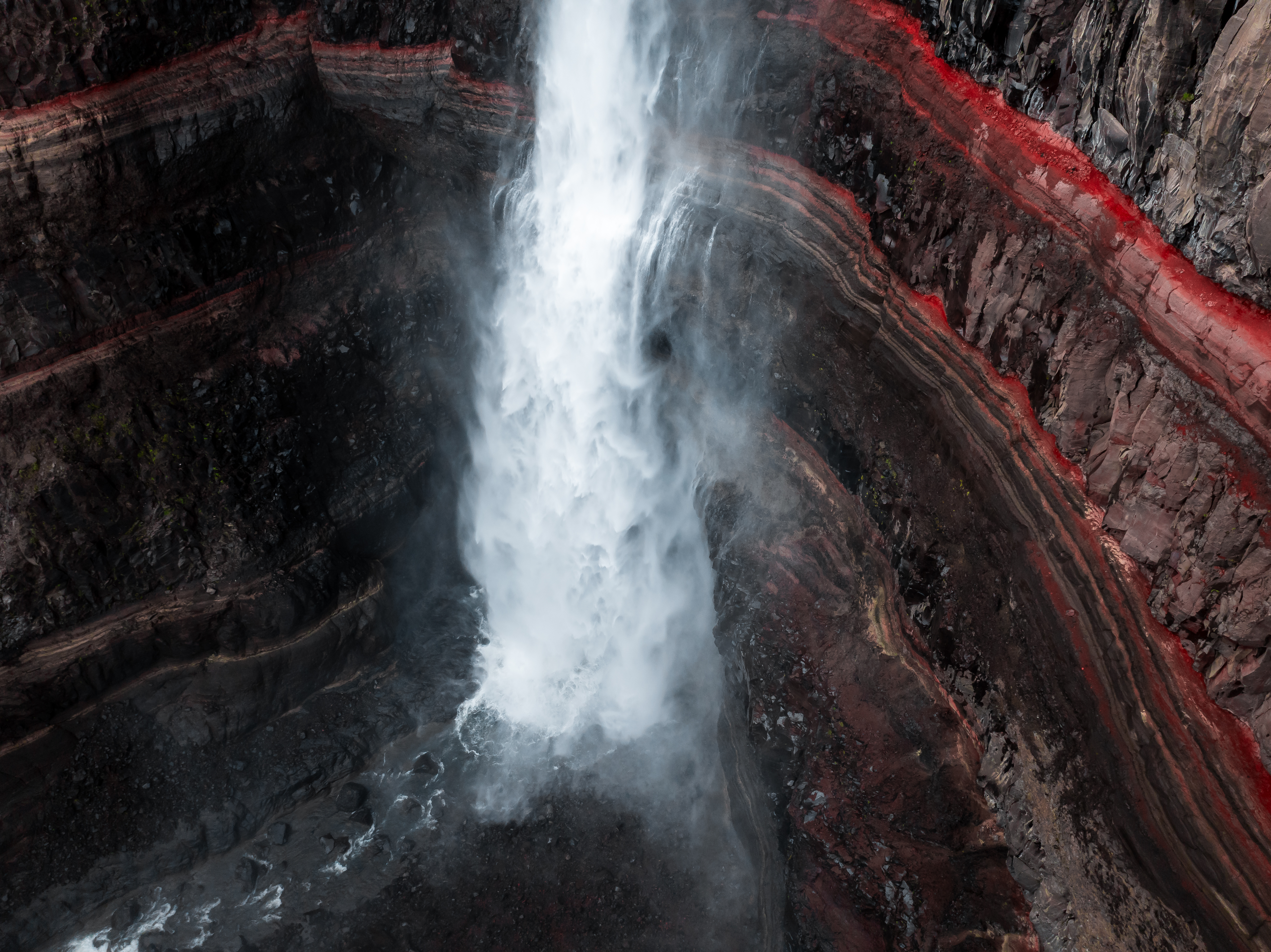
Near Hengifoss, Iceland's third-tallest waterfall, you can see red clay bands mixed with black basalt columns. These layers developed as lava cooled and settled, with clay building up between eruptions.
The mountains rise sharply from the sea, with some peaks over 1,100 meters high. Studlagil Canyon is a notable feature where tall columnar formations rise from glacial waters.
Photographer: Þráinn Kolbeinsson
Seyðisfjörður
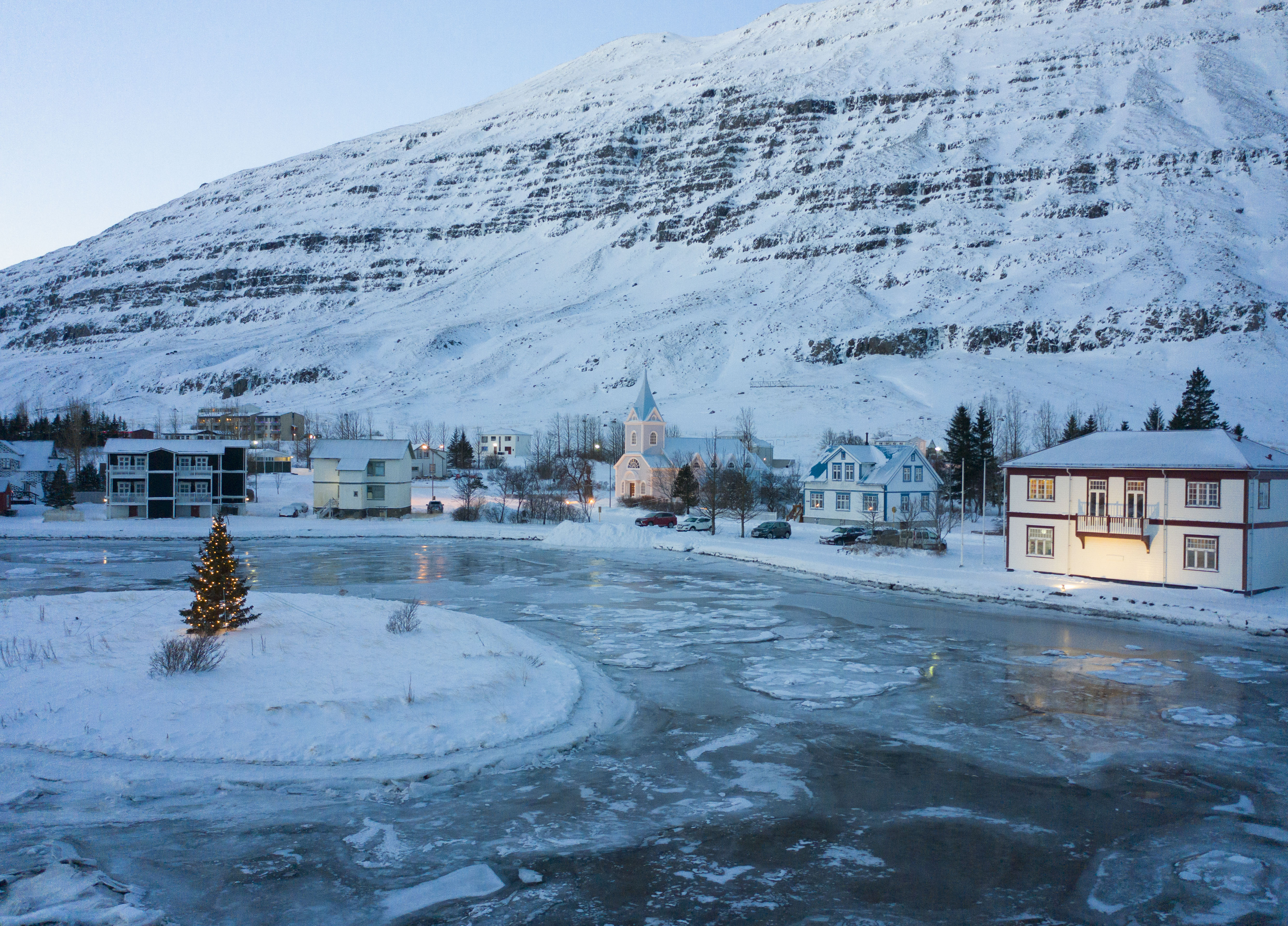
Seyðisfjörður sits at the end of a winding mountain road, considered one of Iceland's most beautiful fjords. The town’s Rainbow Street leads to a Blue Church, which has become a local symbol.
What makes Seyðisfjörður stand out is its artistic community. The town attracts artists and creatives, bringing fresh ideas and energy to this quiet part of Iceland.
A seasonal ferry from Europe arrives weekly during warmer months, giving the town a touch of international life. Despite this, it remains small and easy to explore on foot. The town is surrounded by waterfalls, with cascades tumbling down the mountains on all sides.
There are hiking trails leading into the hills around town, offering everything from easy walks to tougher mountain hikes. Each trail provides beautiful views, making Seyðisfjörður the perfect mix of art, nature, and adventure.
Photographer: Ingvi Örn Þorsteinsson
Fáskrúðsfjörður
French sailors played a significant role in shaping the history of this small town. In the 19th and early 20th centuries, they arrived to harvest cod. They stayed long enough to leave a lasting mark on this fishing village.
Street signs still appear in both Icelandic and French. The old French hospital is now a museum. Photographs capture the port's peak years when hundreds of French ships docked annually. The French Museum preserves this remarkable chapter of the town's history.
Mountain walls surround the narrow fjord, creating dramatic backdrops. A tunnel now connects Fáskrúðsfjörður to neighboring towns. It replaced the treacherous mountain passes that residents navigated during winter before 2005.
Summer brings the midnight sun, while winter offers deep snow and the northern lights. Both seasons reveal the unique beauty of the East Fjords.
Djúpivogur
This quiet fishing village dates back to the 16th century and is one of Iceland's oldest authorized trading posts. Today, Djúpivogur maintains its peaceful character. Fishing boats still work the waters, while farmers tend highland pastures.
The Eggs of Merry Bay art installation dots the shoreline. 34 giant eggs represent local bird species, each one perfectly capturing a different egg's unique shape.
Mountains called Búlandstindur rise behind the town. Local legends say elves live in these peaks. The harbor shelters boats from Atlantic storms, while colorful houses line the quiet streets.
Photographer: Ragnhildur Aðalsteinsdóttir
Where to Spot Wildlife in East Fjords
The East Fjords are a haven for wildlife, offering unique opportunities to observe a variety of animals in their natural habitats. Here are some of the best places to spot wildlife in the region:
Wild reindeer
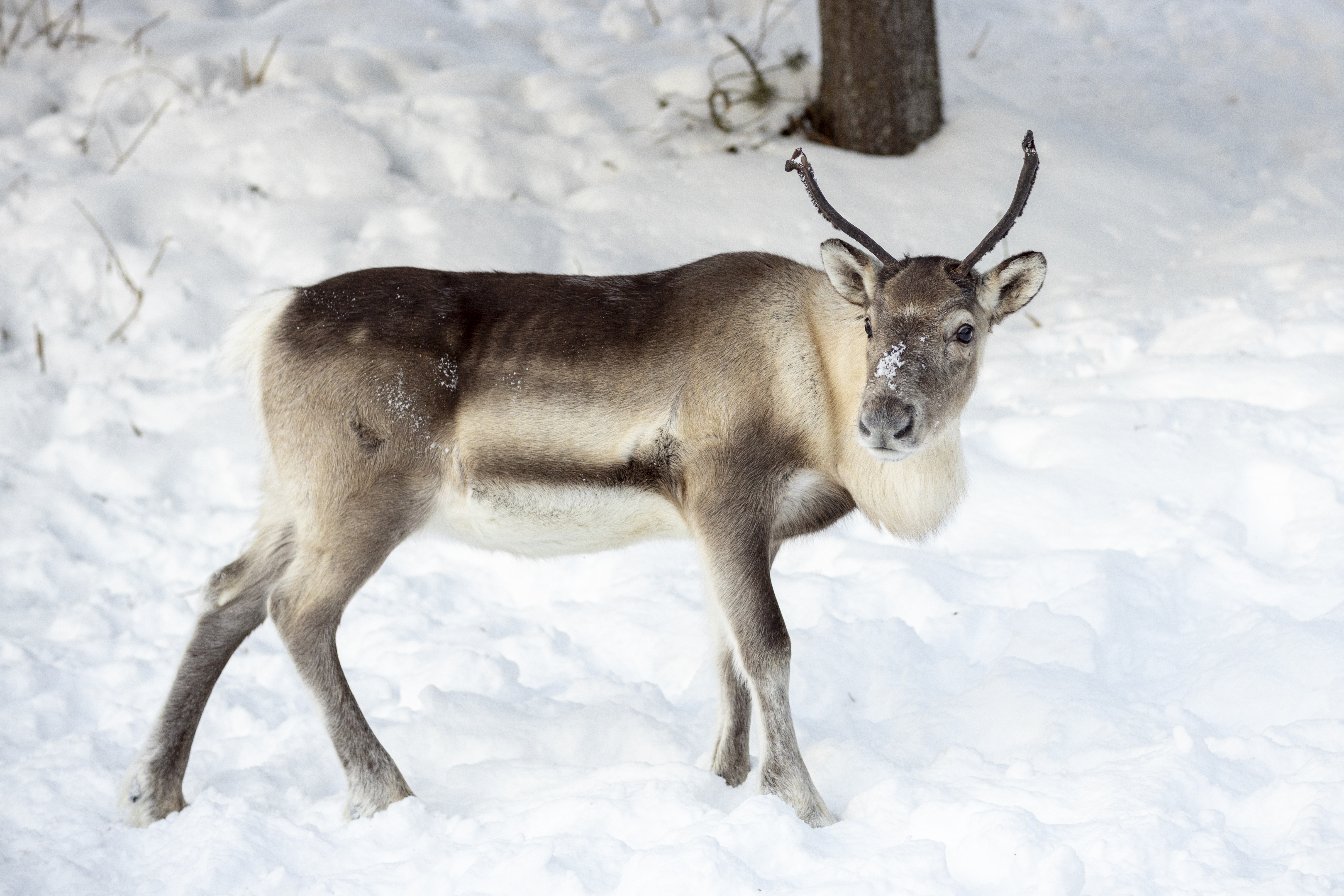
The East Fjords are the only place in Iceland where wild reindeer roam. Brought from Norway in the 18th century, their population numbers between 4,000 and 7,000. Visitors often spot wild reindeer along Route 1 between Egilsstaðir and Höfn. The best areas are near Breiðdalur valley and the highlands around Mount Snæfell.
Winter months (October-April) offer the best sightings as herds descend to lower elevations. Watch for them grazing near mountain roads during early morning hours.
Arctic foxes
Arctic foxes make their home in remote hills and coastal cliffs throughout the East Fjords. In winter, their thick white coats blend into the snow, while summer brings darker fur. Arctic foxes are occasionally spotted in remote valleys and coastal cliffs, though sightings are rare. Your best chances are in the early morning or evening in less-traveled areas away from towns.
Seals
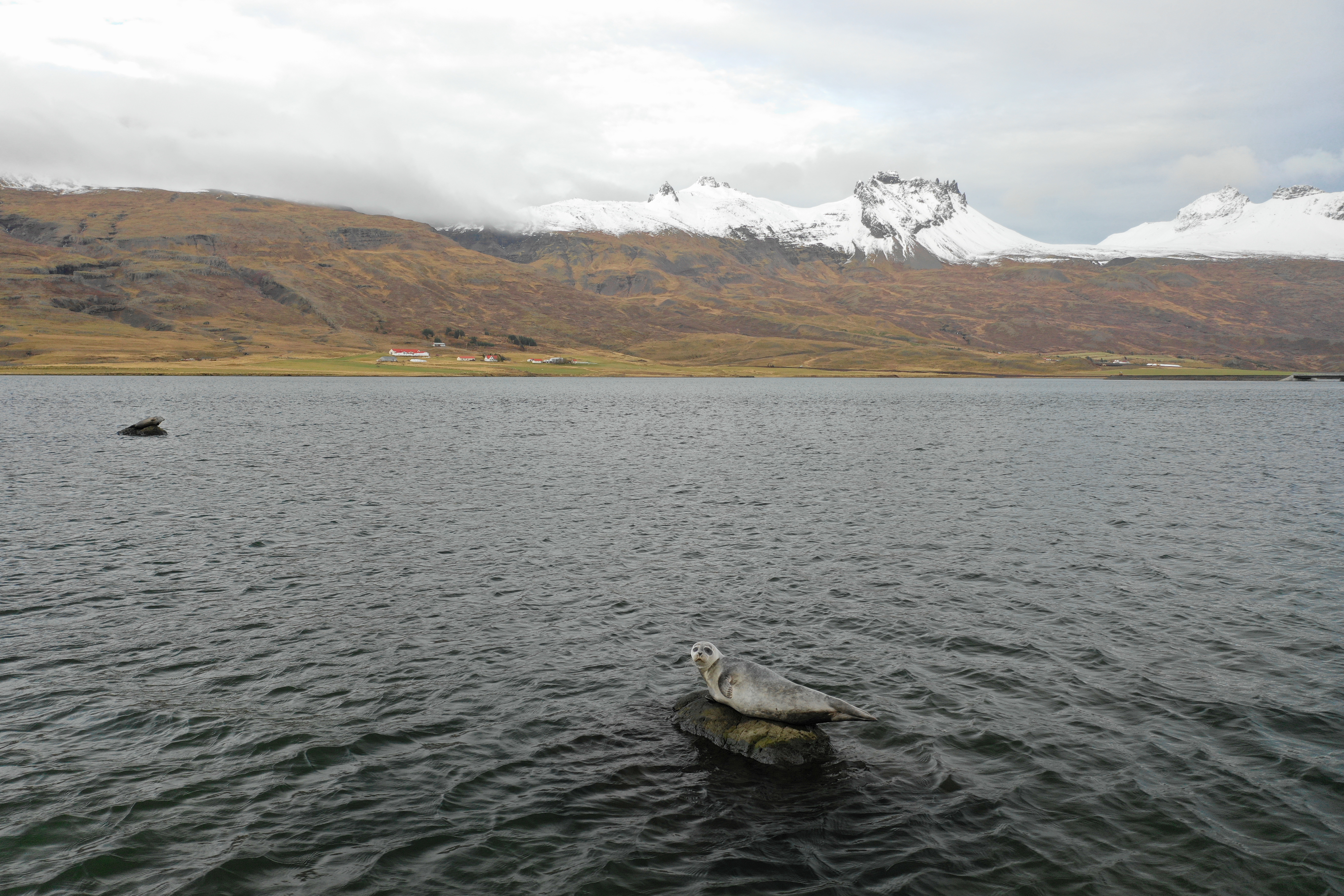
Both harbor seals and grey seals are commonly seen along the coastline. Look for grey seals basking on rocks at harbor mouths in Djúpivogur, Seyðisfjörður, and Fáskrúðsfjörður. Rocky outcrops near the shoreline offer the best viewing, especially during low tide. They often swim close to shore in calm waters.
Puffins
The cliffs at Hafnarhólmi in Borgarfjörður Eystri are home to thousands of these colorful seabirds. From May through August, visitors can walk along hiking trails that bring them within meters of puffins. Peak nesting season is June-July.
Whales
Humpback whales, minke whales, and dolphins frequently pass through the offshore waters. Whale watching tours depart from Seyðisfjörður and other coastal towns. The summer months (June-August) offer the highest sighting success rates.
Navigating the Deep Fjords
Each fjord cuts through ancient rock, creating some of the most scenic drives in Iceland with roads hugging cliffsides and dipping into valleys. The main route along the eastern coast connects major fishing villages, but expect winding roads and longer travel times.
Some fjords stretch far inland, while others are shorter and wider. Each has its own character and mountain backdrops that shift with every turn.
Stop at tourist information centers in Egilsstaðir or other towns for updates. Many visitors combine their exploration of East Iceland with nearby attractions, such as Studlagil Canyon. Vatnajökull National Park, Iceland's largest, extends into the region's interior and offers additional wilderness areas to explore.
Winter Note: Snow can close mountain passes in winter, so check road conditions before traveling, as weather can change quickly. Tunnels now connect communities that were once isolated, but nature still requires caution on these drives.
Cultural Heritage and Maritime Traditions in East Fjords
The East Fjords offer a range of authentic experiences beyond natural scenery. Visitors can explore this maritime heritage through local crafts, historic sites, and traditions.
- Fishing Communities: Fishing has been vital to these villages. Old wooden boats and modern vessels line the harbors. Maritime museums share stories of survival and loss.
- Traditional Turf Houses: Turf houses helped people survive harsh winters. Some still stand as museums, showing how thick walls and grass roofs provided insulation.
- Local Crafts: Icelandic wool is woven into sweaters, driftwood is carved into pieces, and fish leather is used to make accessories.
- Music and Storytelling: Folk songs and storytelling are passed down through generations and celebrated at local festivals.
- Vök Baths: After exploring, travelers often visit Vök Baths near Egilsstaðir, floating geothermal pools offering views of the mountains.
Finding Peace in the Isolation of the East
The East Fjords deserve a place on any Iceland itinerary. This region offers a mix of rugged landscapes, history, and wildlife that few other areas can match.
From fishing villages connected to the sea to beautiful natural views shaped by geology, the East Fjords of Iceland give travelers a real Icelandic experience. Whether visiting Seyðisfjörður and Fáskrúðsfjörður, spotting wild reindeer, or driving through the fjords, this region shows a quiet, authentic side of Iceland.
It's ideal for those wanting to explore a less crowded part of the country, where nature and tradition are still important.
Photographer: Ragnhildur Aðalsteinsdóttir
FAQ’s About the East Fjords, Iceland
1. Which village is the most accessible from the Ring Road?
Egilsstaðir serves as the main inland hub, while Seyðisfjörður is reached via a short but steep mountain pass along the Ring Road.
2. Are the remote villages inhabited year-round?
Yes, though some communities are very small town settlements, these remain active fishing villages and tourism hubs that stay open through winter.
3. Can I see reindeer in the East Fjords?
The East Fjords are the only region in Iceland where wild reindeer live, and they are often seen near the roads during the winter months.
4. What is the French history in Fáskrúðsfjörður?
The town served as a base for French fishermen for decades, and you can still see French street signs and a restored hospital in this unique fishing village.
5. Is a 4x4 necessary to visit these villages?
While main roads are paved along the Ring Road, a 4x4 is highly recommended for winter travel and for reaching more isolated hiking trails.
6. How long does it take to drive the East Fjords?
To truly experience the fishing villages and nature, you should dedicate at least two to three days to this section of the Ring Road for your road trips.
7. What is the best village for local art?
Seyðisfjörður, with its distinctive blue church, is known for its creative community, colorful houses, and summer art festivals."