
Petra’s Stone Collection: A Rare Mineral Museum in the East Fjords

Petra’s Stone Collection: A Rare Mineral Museum in the East Fjords
Hidden in a quiet village in East Iceland, Petra’s Stone Collection in Iceland offers a rare and personal travel experience. The exhibits are displayed in a home setting, allowing you to see a wide variety of stones and minerals up close. Each stone tells the story of Petra’s care and curiosity, and the museum shows Icelandic nature and culture.
Discover the beauty of Petra’s Stone Collection and explore one of the most unique stops in East Iceland
Petra’s Stone Collection
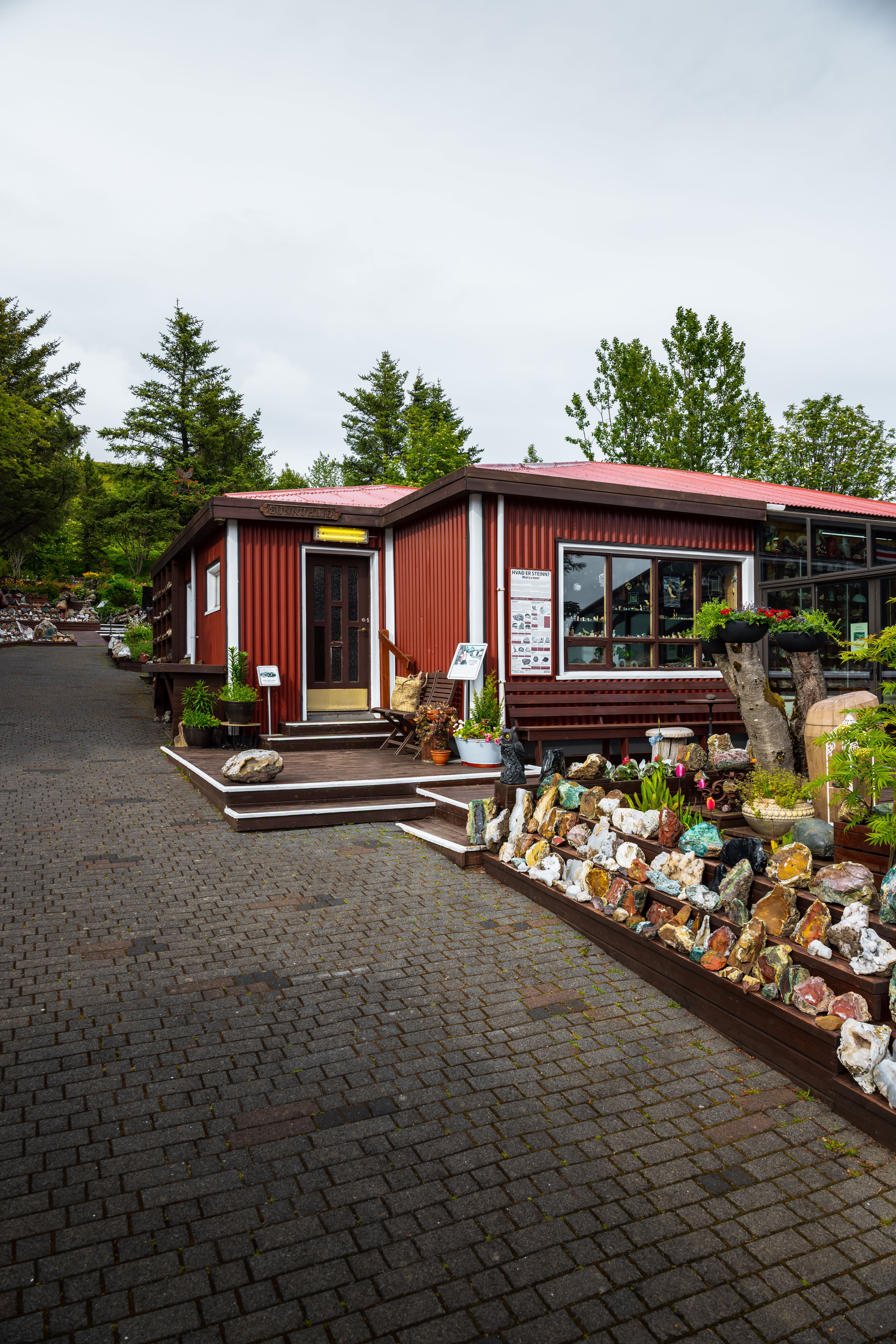
Petra’s Stone Collection in Stöðvarfjörður is one of Iceland’s largest private mineral collections. The museum contains thousands of stones collected from mountains, quarries, and coastal cliffs. Petra Sveinsdóttir assembled the collection over her lifetime, starting in 1946.
The stones are arranged to highlight Iceland’s natural colors and shapes, inviting you to notice details you might otherwise overlook. You can touch selected stones and use a magnifying glass to get a closer look at details often missed at first glance. Natural light shifts throughout the day, giving the crystals a different glow as you move through the rooms.
The property also includes a botanical garden, adding a quiet outdoor space to continue exploring. The experience feels more personal and hands-on than most museums.
Photographer: Þráinn Kolbeinsson
Who Was Ljosbjörg Petra María Sveinsdóttir?
Ljosbjörg Petra María Sveinsdóttir, known as Petra, was a passionate collector from East Iceland. She was born in 1922 and spent most of her life in Stöðvarfjörður.
As a child, Petra collected rocks along the shore and nearby hills, drawn to their colors and shapes. Over time, this simple hobby grew into a lifelong passion shaped by curiosity and patience.
Petra had no formal training in geology. However, she developed a deep understanding of stones and minerals through experience. She carefully cleaned and organized each piece, treating every stone with attention and care.
Her collection grew steadily over the years. Friends and travellers began to visit her home. They were amazed by the beauty and variety of her stone collection.
Petra welcomed visitors warmly. She enjoyed sharing stories about collecting rocks and exploring the landscape. Her passion gave each visit a more personal and memorable feel.
She passed away in 2012, but her legacy continues. Today, her home remains filled with the same care and attention she gave to every stone.
From a Private Home to a World-Renowned Mineral Museum
Petra never planned to build a museum. Her collection began as a personal interest. She simply loved collecting rocks and wanted to keep them safe.
As the years passed, her home filled with stones and minerals. Shelves, tables, and cabinets displayed her growing collection. Visitors started to arrive from across Iceland and beyond. As interest grew, Petra opened her home to the public. She expanded the space to accommodate more people and more stones.
Today, Petra’s Stone Collection in Iceland is recognized worldwide and contains thousands of carefully preserved specimens. You can walk through the same rooms Petra used, and the displays remain authentic.
- The Treasures of Stöðvarfjörður
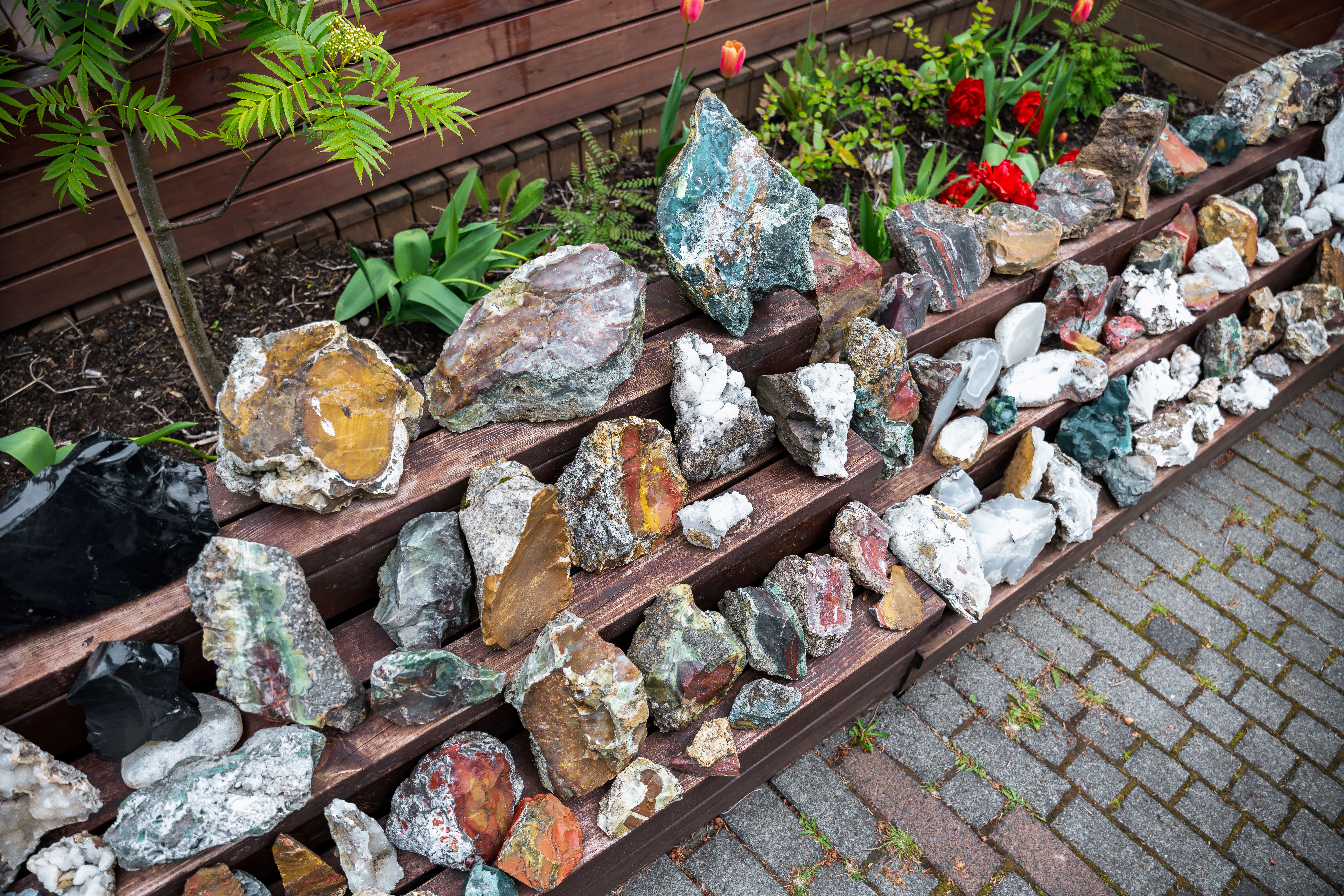
Petra’s collection includes various stones and minerals from East Iceland. Each piece highlights the volcanic activity in the region of Stöðvarfjörður.
Some of the most common types include:
- Zeolites with bright crystal formations
- Agates with layered patterns and soft colors
- Jasper in deep red and earthy tones
- Quartz crystals that catch the light
Zeolites are one of Iceland’s most notable minerals. Petra displayed both raw and polished stones, letting visitors appreciate their natural beauty and detail.
- Why the East Fjords Produce Such Rare Stones
The East Fjords are known for their rare stones and minerals because of the region’s long volcanic history. Volcanic activity over thousands of years created the perfect conditions for these unique formations.
When lava cooled, it formed small cavities. Mineral-rich water later filled these spaces. Over time, crystals slowly formed within these spaces. This slow process formed rare minerals that are uncommon elsewhere in Iceland.
Key factors include:
- Ancient volcanic activity
- Slow-cooling lava flows
- Mineral-rich groundwater
- Limited environmental disturbance
Because of these conditions, East Iceland became a natural source for collecting rocks. Petra spent decades exploring the landscape, learning where to find unique stones. Visitors should note that taking stones from Iceland is illegal, so all collecting must stay in the museum or authorized areas.
6. Walking the Garden
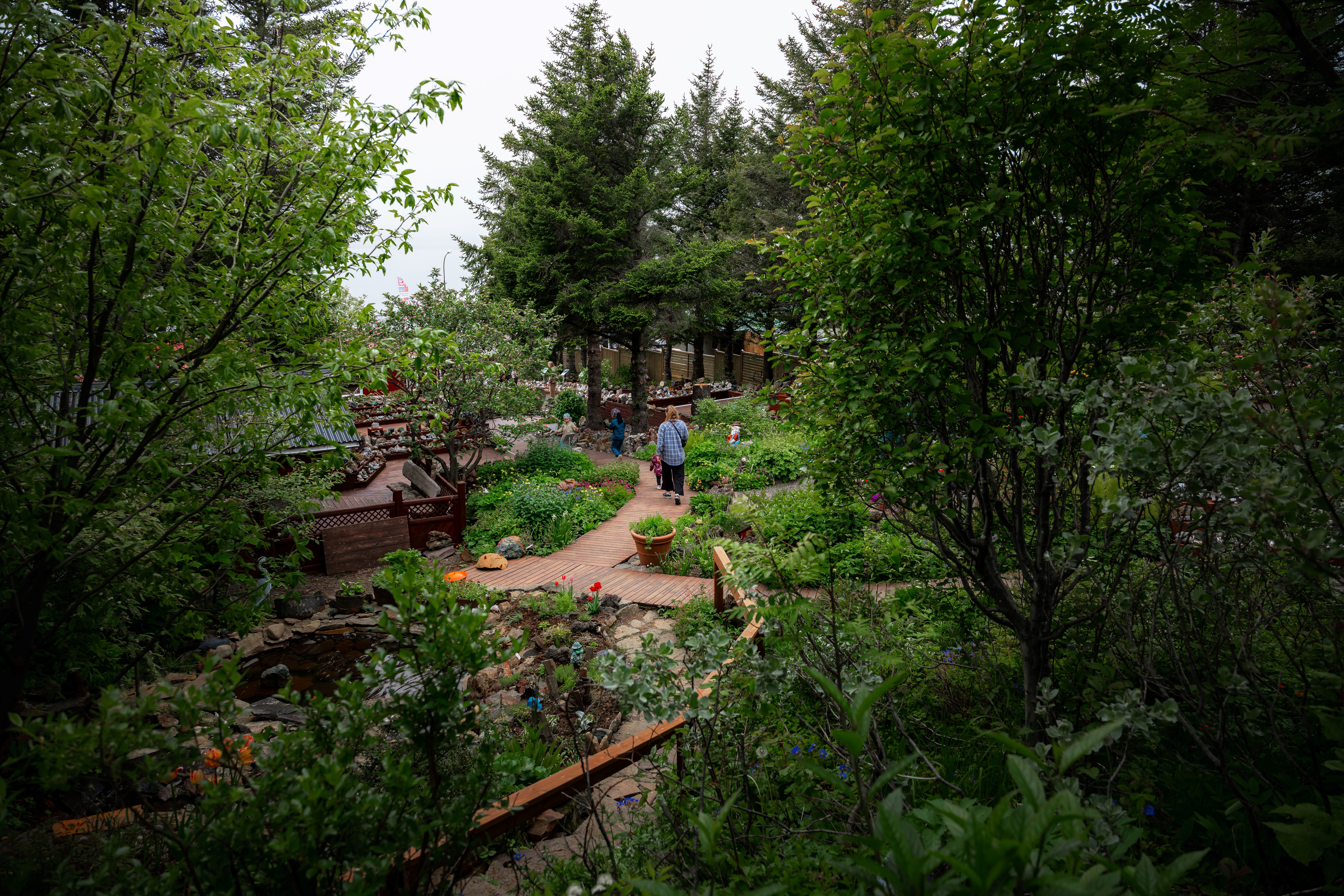
The garden adds a quiet outdoor layer to the experience. It blends nature with Petra’s Stone Collection in East Iceland. Paths wind gently through plants, flowers, and stones, creating a peaceful space to explore.
Here, stones are placed throughout the garden. Some stones are large, and some are small with fine details. Together, they form a natural outdoor display. During the summer (June to August), flowers bloom in bright colors. The contrast between plants and stones adds beauty to the space.
Benches offer places to sit and take in the surrounding views. The garden offers a quiet break from indoor exhibits. It is perfect for nature-loving travelers seeking an authentic Icelandic summer experience. It also appeals to couples, families, and international visitors looking for quiet, off-the-beaten-path charm.
Photographer: Þráinn Kolbeinsson
7. Planning Your Visit
Petra’s Stone Collection in Iceland is easy to visit. A little preparation helps you enjoy your visit at a relaxed pace.
Location
- Fjarðarbraut 21, 755 Stöðvarfjörður, Iceland
Opening Season
- Dates: 1 May 2025 – 15 October 2025
- Time: 9:00 AM – 5:00 PM
Recommended Visit Duration
- One to two hours
Entrance Fee:
- 2,000 ISK for visitors 14 years and older
Travel Tips
- Drive carefully, as fjord roads can be narrow
- Wear layers for changing weather
- Allow extra time for scenic stops
- Take your time exploring the exhibits
- Do not remove stones from the collection
- Do not touch delicate displays without permission
Weather and Temperature
Summer temperatures range from 50°F to 59°F (10°C to 15°C). Conditions can change quickly, so bring a jacket.
8. What Else to See Near the Stone Museum in Stöðvarfjörður
Near the Stone Museum in Stöðvarfjörður, visitors can explore the village and the surrounding East Fjords. Petra’s Stone Collection is easy to include in a wider itinerary, with plenty of top day tours in East Iceland. Here are the activities and sights you can enjoy nearby:
Scenic Coastal Drives
Drive along the Stöðvarfjörður coastline to enjoy views of the fjord and surrounding mountains. Stop in the village to see the colorful traditional houses and the harbor. Take photos of Búlandstindur mountain visible from the village.
Hiking Opportunities
Explore local trails around Stöðvarfjörður, including short walks along the fjord and riverside paths. Trails are mostly easy to moderate and great for spotting local flora, including Arctic willow, lupine, and mountain avens. For more adventurous hikers, the mountains around Stöðvarfjörður, such as Súlur and Kumlafell, offer scenic views and unique natural features.
Local Culture
Visit local art installations along the waterfront and village paths. Explore craft shops selling wool items, pottery, and stone crafts. Chat with residents and see small galleries featuring paintings, prints, and mixed-media works inspired by East Icelandic nature and traditions.
Wildlife Watching
Look for seabirds such as puffins, guillemots, and kittiwakes along the coast. Spot wild reindeer grazing in the nearby hills. Summer (June–August) offers the best chance to see both birds and reindeer.
Where to Stay Nearby
The Stöðvarfjörður Camping Ground is a peaceful site at the eastern end of the village. It offers basic facilities, including toilets, electricity, picnic areas, and a playground. The campsite is within walking distance of restaurants, a minimarket, a swimming pool, and local trails.
9. Why Petra’s Legacy Is an Essential Iceland Stop
Petra’s Stone Collection in Iceland offers something different from other attractions. It is not about typical tourist sights, but about noticing small details.
The collection presents stones and minerals in a more personal, close-up way. Each piece demonstrates Petra’s passion for collecting rocks. You can sense the care behind every display.
The experience is calm and encourages a slower way of exploring. Petra’s legacy continues to inspire travelers. Her home is considered one of the most notable historical and cultural sites in Stöðvarfjörður.
Photographer: Þráinn Kolbeinsson
FAQs About Petra’s Stone Collection in Iceland
How much time should I spend at Petra’s Stone Collection?
Plan to spend one to two hours, which should be enough to explore both the house and the garden at a relaxed pace.
Is Petra’s Stone Collection worth visiting?
Yes, it is worth visiting for its unique, personal atmosphere and impressive collection of Icelandic stones and minerals.
Is it safe to drive to the East Fjords in a small car?
Yes, it is generally safe in summer (June to August) with a small car, but drive carefully on narrow, winding roads.
Who was Petra, and why did she start the collection?
Ljosbjörg Petra María Sveinsdóttir was an Icelandic collector who began gathering stones as a hobby and later opened her home to share them.
How much does it cost to visit?
The entrance fee is 2,000 ISK for anyone 14 years or older, while children enter free, and groups of 10 or more receive a 15% discount.